Some people collect stamps. John Ringling collected Rubens. He was one of the five Ringling brothers who took their first circus on the road in 1884, and by 1907 they had bought the Barnum & Bailey show. A man who could sell a big top to all of America could, it turns out, also fill a palace with Old Masters, and that is what he did, here on the edge of Sarasota Bay.
I came to Sarasota expecting a museum. I found an estate: 66 acres on the edge of the bay, holding a great art museum, a palace, a museum of the circus, an Italian theatre more than two centuries old, gardens that run down to the water, and a sky that changes colour on request. The Ringling describes its collections as art, circus, history, architecture, performance and gardens, and I walked them the way I walk a city: slowly, with my eyes wide open and no plan at all.
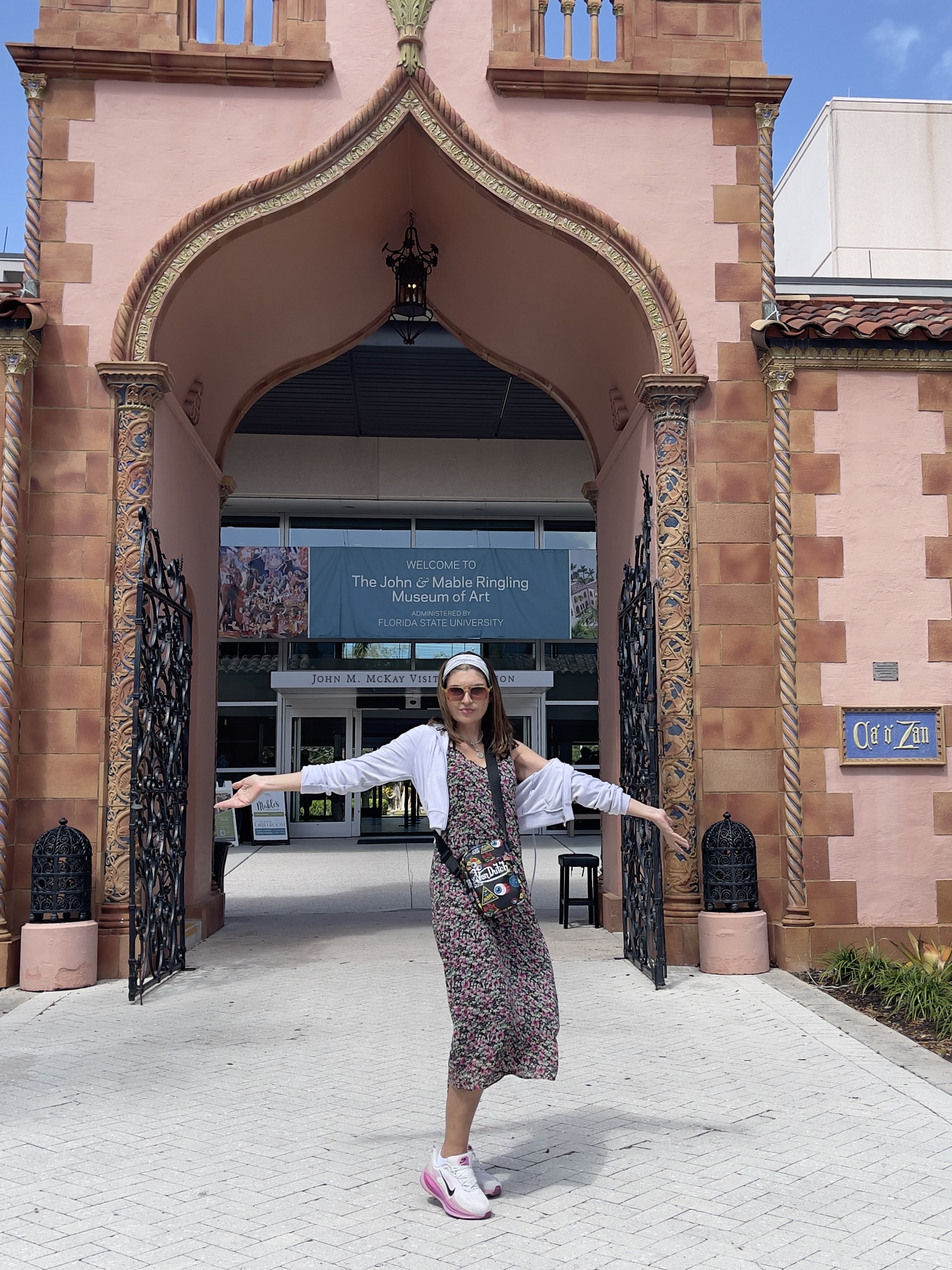 Photo credit© ULTIMATE International Media
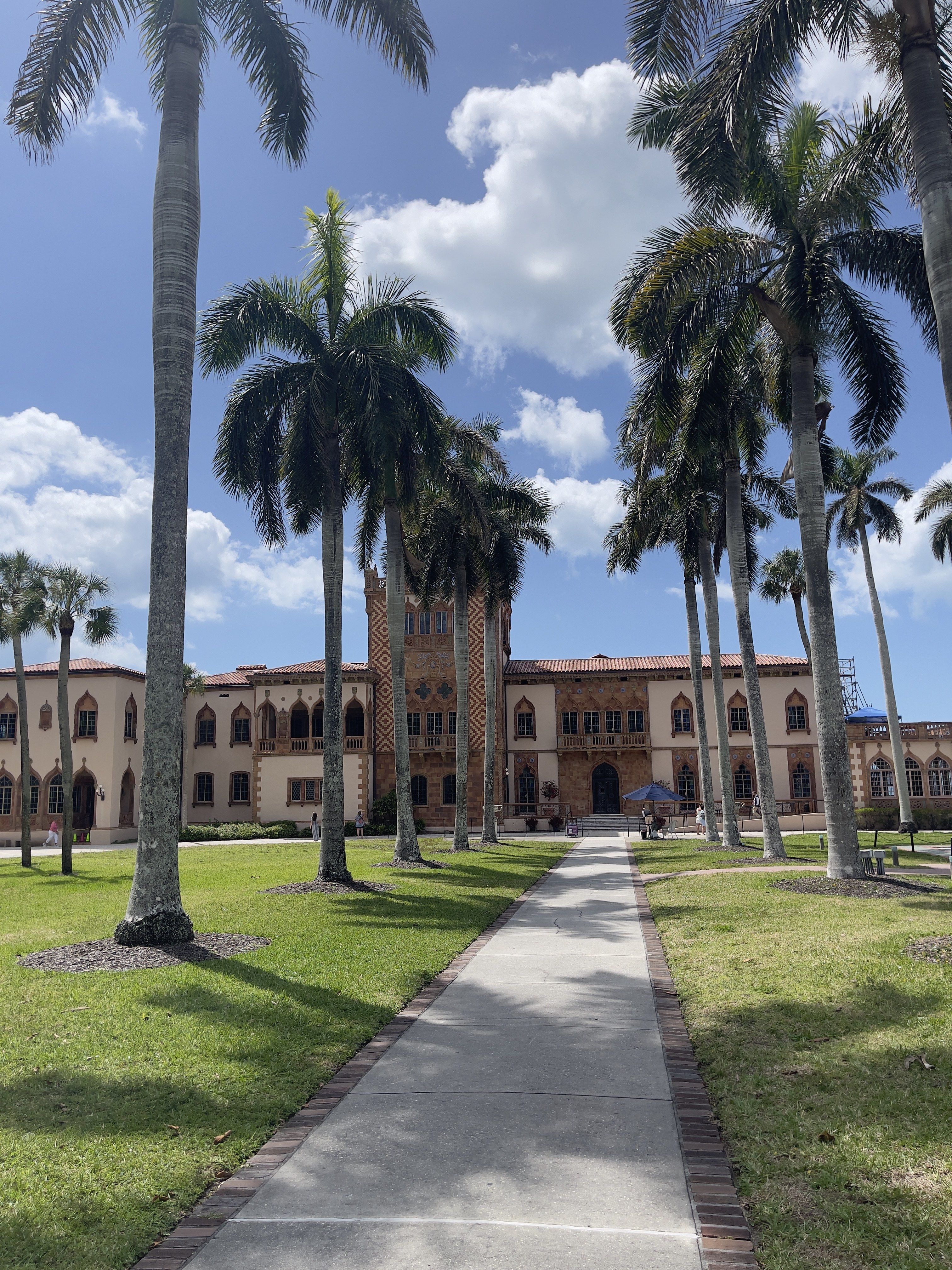 Photo credit© ULTIMATE International Media
A circus fortune by the bay
John married Mable in 1905, and in 1911 they bought a winter home on 20 acres of waterfront in Sarasota. In 1927 John moved the circus’s winter quarters here from Bridgeport, Connecticut, and the town was never quite the same again: performers and painted wagons wintering under the palms.
Mable died in 1929, at only 54, having spent just three winter seasons in the house they built together. When John died in 1936, he left his museum and his estate to the people of Florida. In 2000 the state gave its care to Florida State University, and today The Ringling is the State Art Museum of Florida. I find that the most beautiful thing about it: a showman’s private dream, given away to everyone.
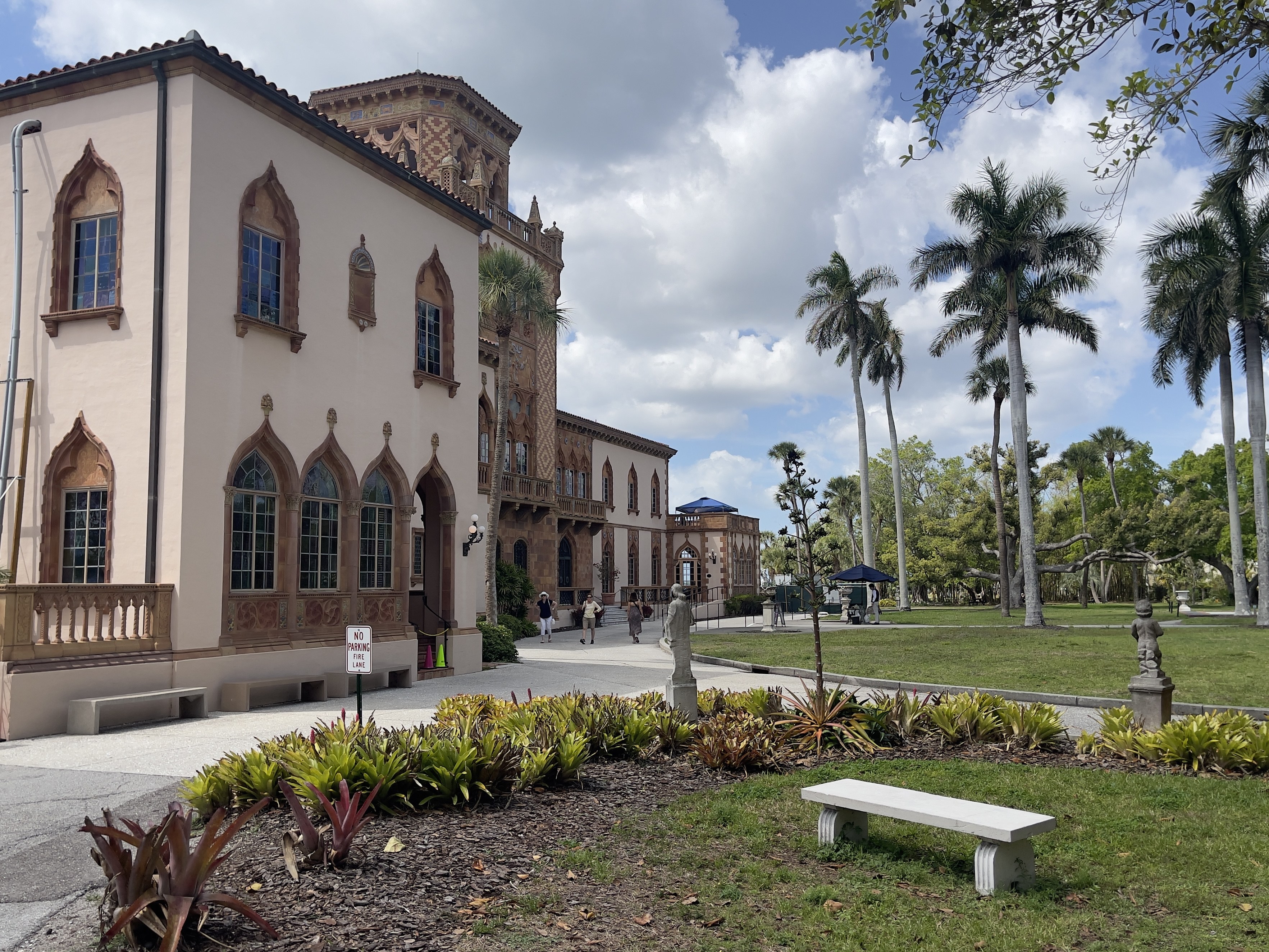 Photo credit© ULTIMATE International Media
The Museum of Art, Florida’s own
At the heart of the estate stands the Museum of Art, today the official state art museum of Florida. It was built for John’s collection by the architect John H. Phillips: a pink Italianate building, finished in 1928 and opened to the public in 1930, wrapped in a U around a courtyard of statues and lawns. In the middle, on the marble bridge between the wings, stands a bronze replica of Michelangelo’s David, looking out over the garden as if he owns it. In this light, he very nearly does.
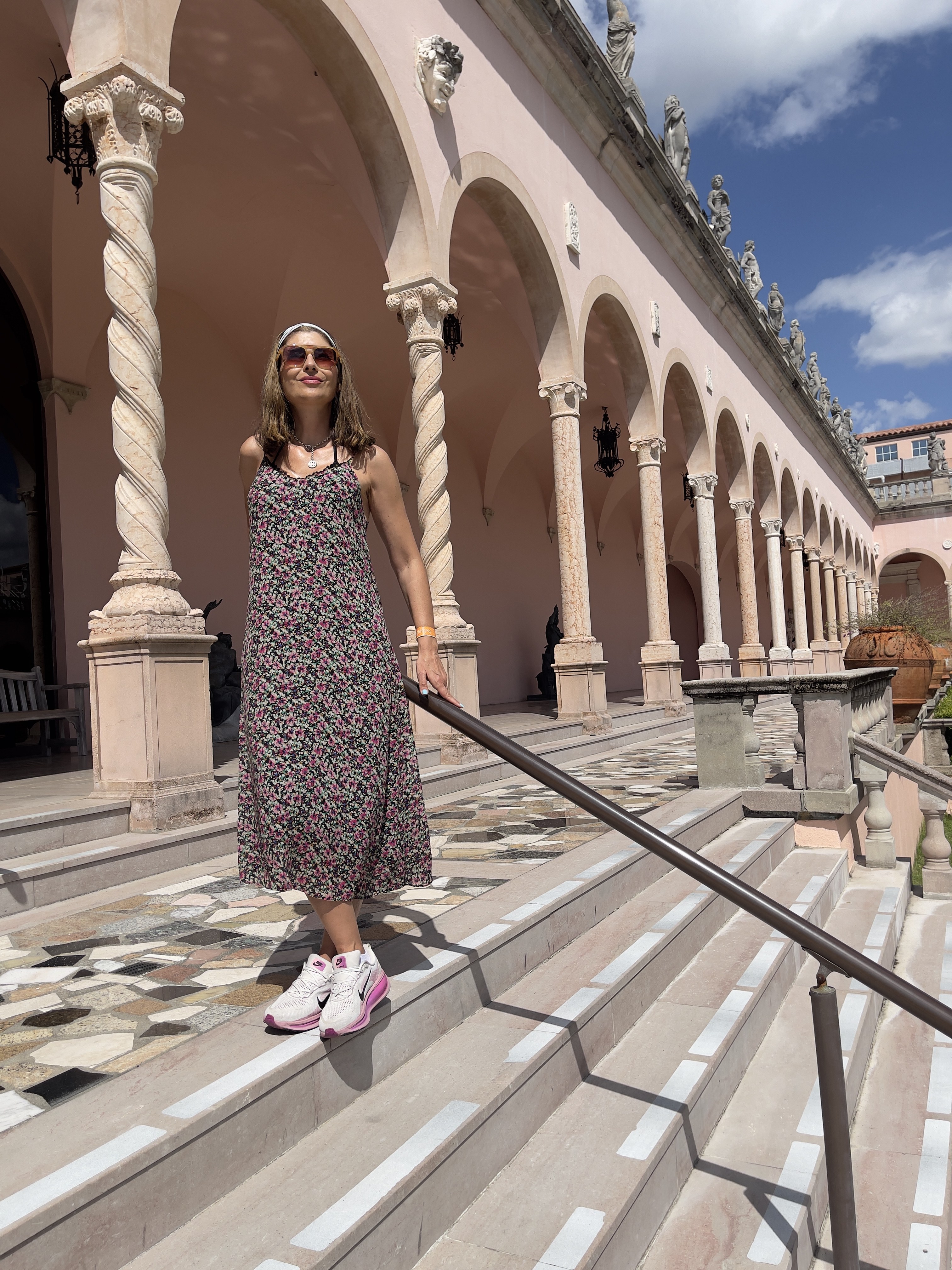 Photo credit© ULTIMATE International Media
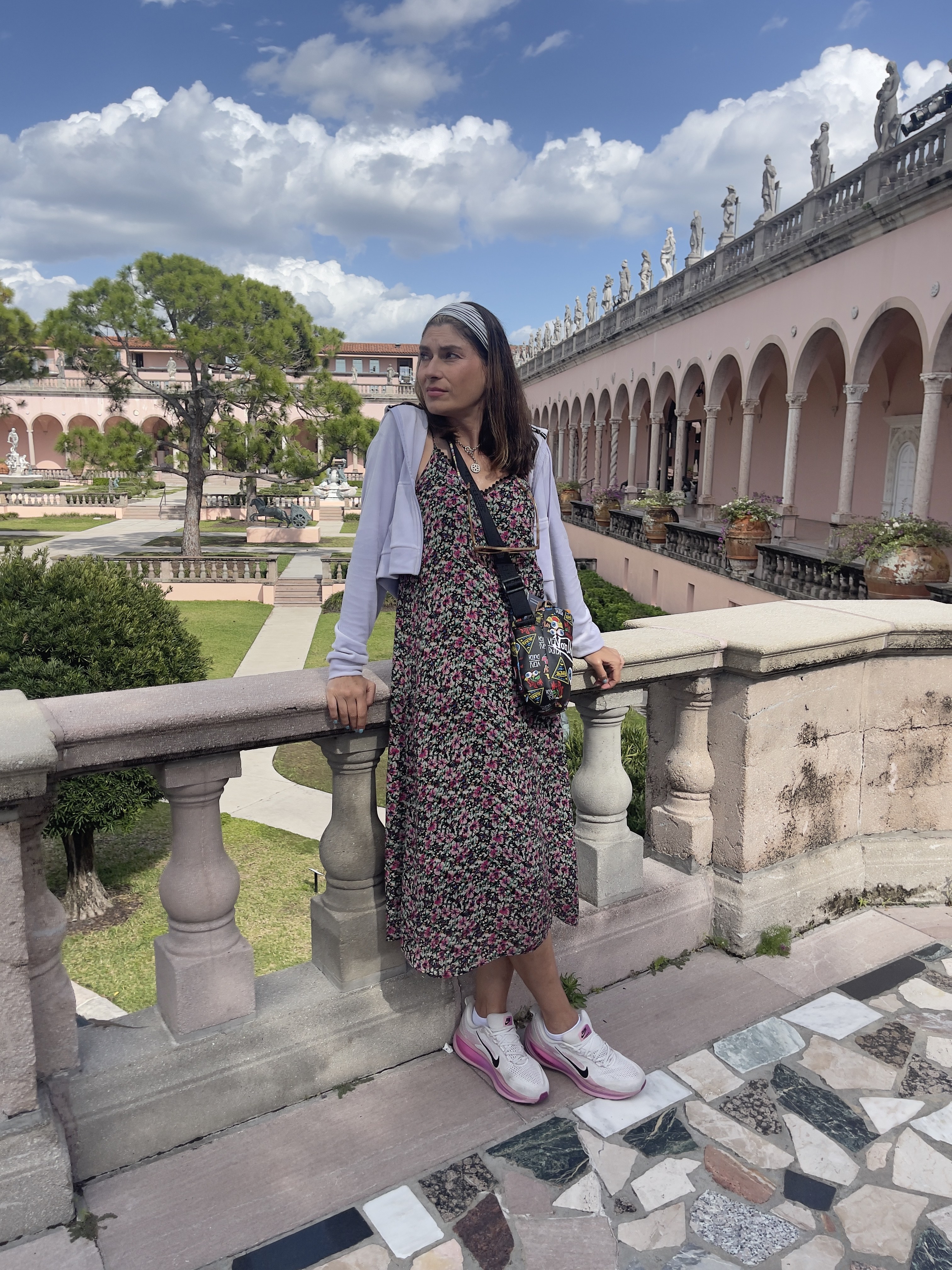 Photo credit© ULTIMATE International Media
Inside, the galleries are built for one painter above all. In the first two rooms hang five immense paintings, part of Rubens’s Triumph of the Eucharist series, so tall that you have to step back to take them in, and then step back again. As a painter I stood in front of them and simply laughed with pleasure. The flesh, the silk, the clouds, the sheer muscle of the brushwork: Rubens did not paint pictures, he painted weather.
There is more: three more works by Rubens and a portrait by Velázquez, Baroque canvases by Poussin, Guercino and Pietro da Cortona, and two whole rooms from the Astor mansion in New York, a salon and a library, rebuilt here like a stage set. John added more than 400 paintings in just a few years, bringing his collection to over 600 works. Today the collection you can browse online runs to nearly 45,000 objects. The museum’s own description runs from ancient Indian sculpture to early photography, immersive contemporary installations and Baroque masterpieces. Behind a façade of almost 3,000 green glazed terracotta tiles, the Center for Asian Art, opened in 2016, covers more than 3,000 years of history and culture, and the Kotler-Coville Glass Pavilion, built in 2018, shows studio glass, free and open to everyone.
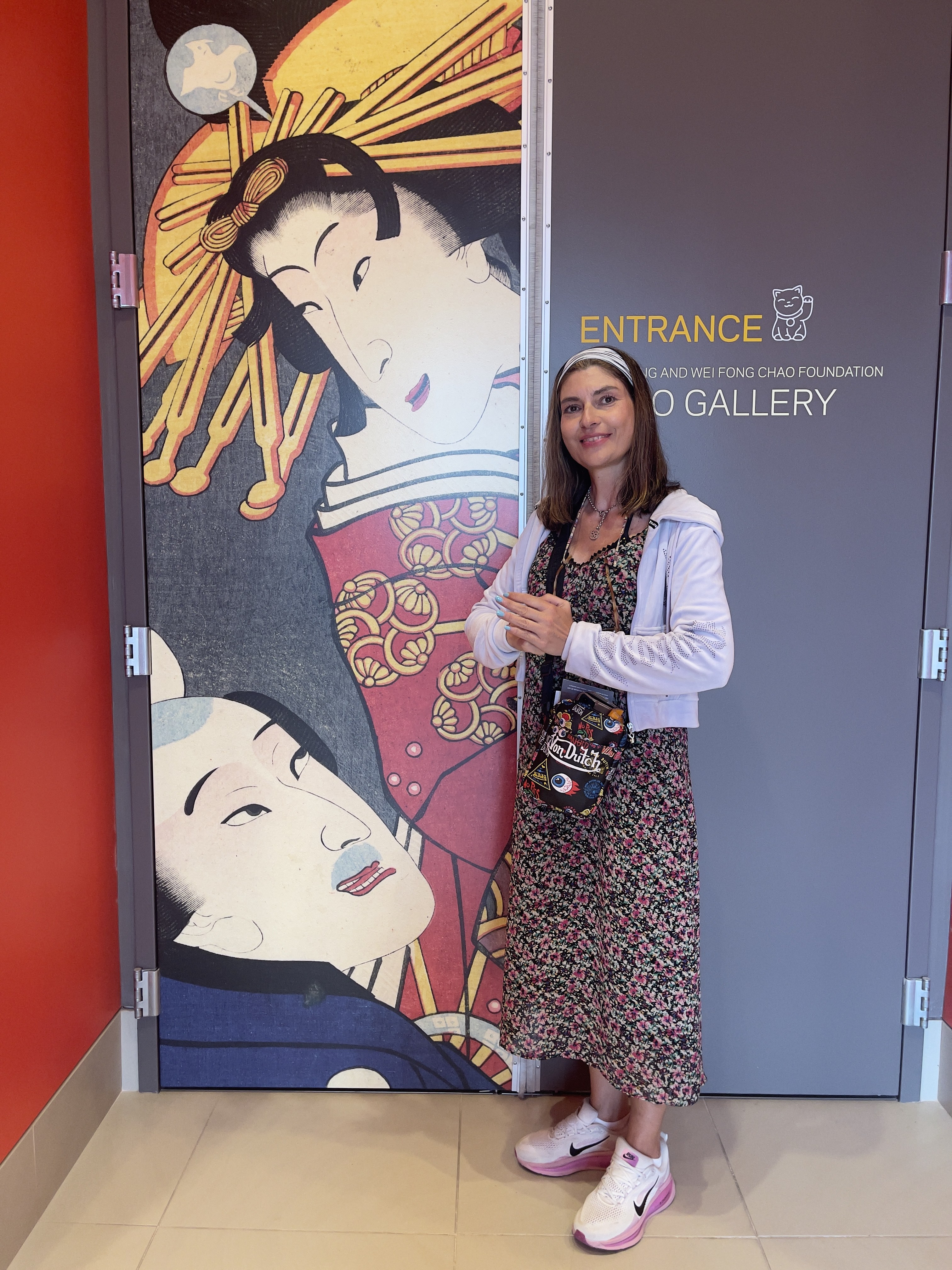 Photo credit© ULTIMATE International Media
And then, when you think you have the measure of the place, it surprises you. Tucked into the Searing Wing is “Joseph’s Coat”, a Skyspace by James Turrell, made in 2011: a room open to the sky through a 24-foot aperture, where at sunset coloured light washes over the walls and makes you doubt the colour of the sky itself. For a painter it is a lesson in how little you need: a frame, some light, and patience.
The Greatest Show on Earth, in miniature
The Circus Museum was founded in 1948, the first museum in the country devoted to the history of the American circus, and it is pure joy. I went in a serious art lover and came out a child. There is John and Mable’s private Pullman railcar, the Wisconsin, a palace on wheels. There is the 1911 White Ticket Wagon, and a whole gallery of posters shouting in letters a foot high.
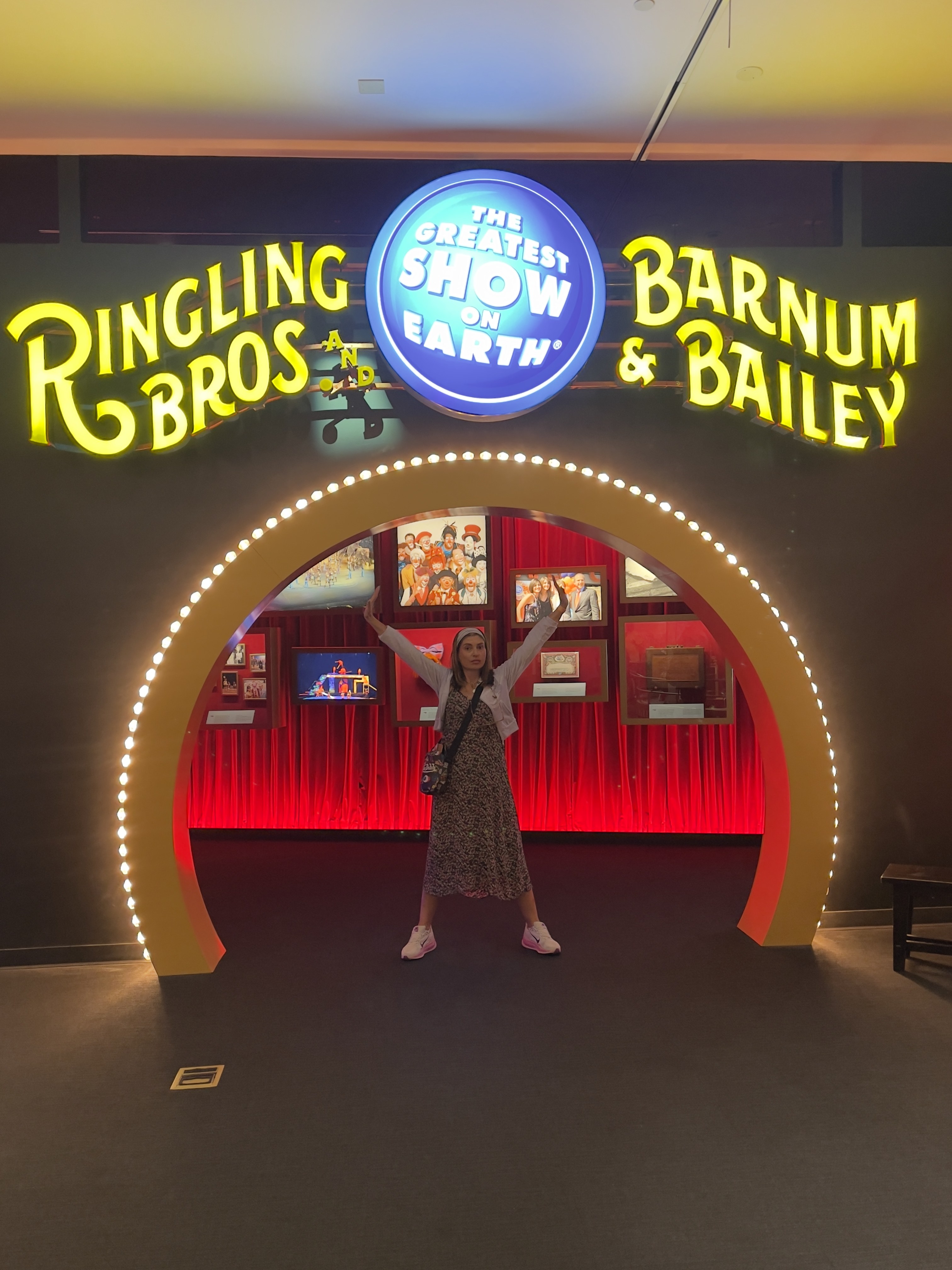 Photo credit© ULTIMATE International Media
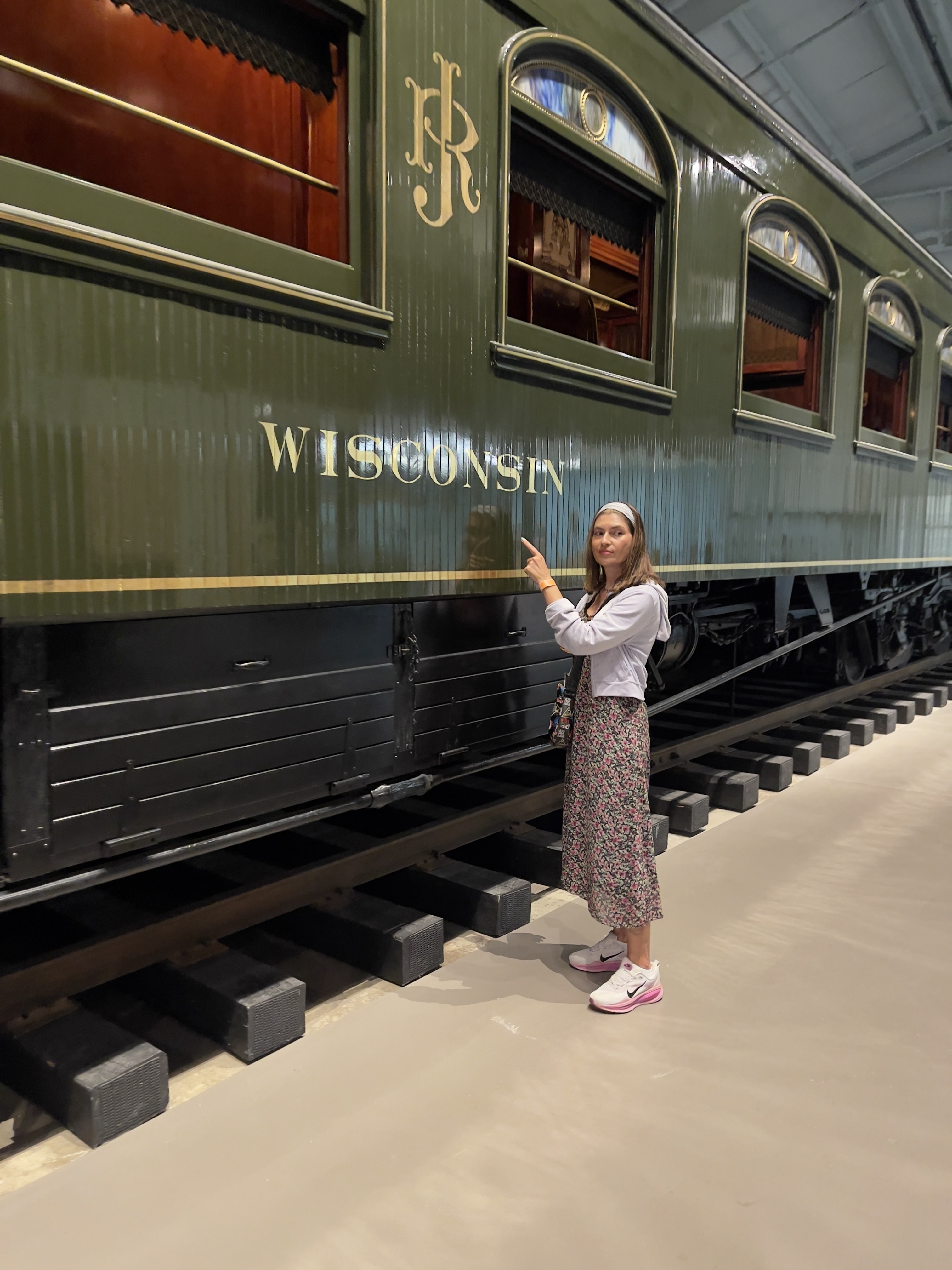 Photo credit© ULTIMATE International Media
In one gallery a painted mural fills a whole curving wall with the parade at full volume: elephants in red and gold, tigers mid-leap, white horses, trapeze artists in the air and clowns peeping round a harlequin door. I stood with my back to it and played along. Then I turned round and simply stared, the way you stare at a fresco in a church, trying to count the figures and giving up.
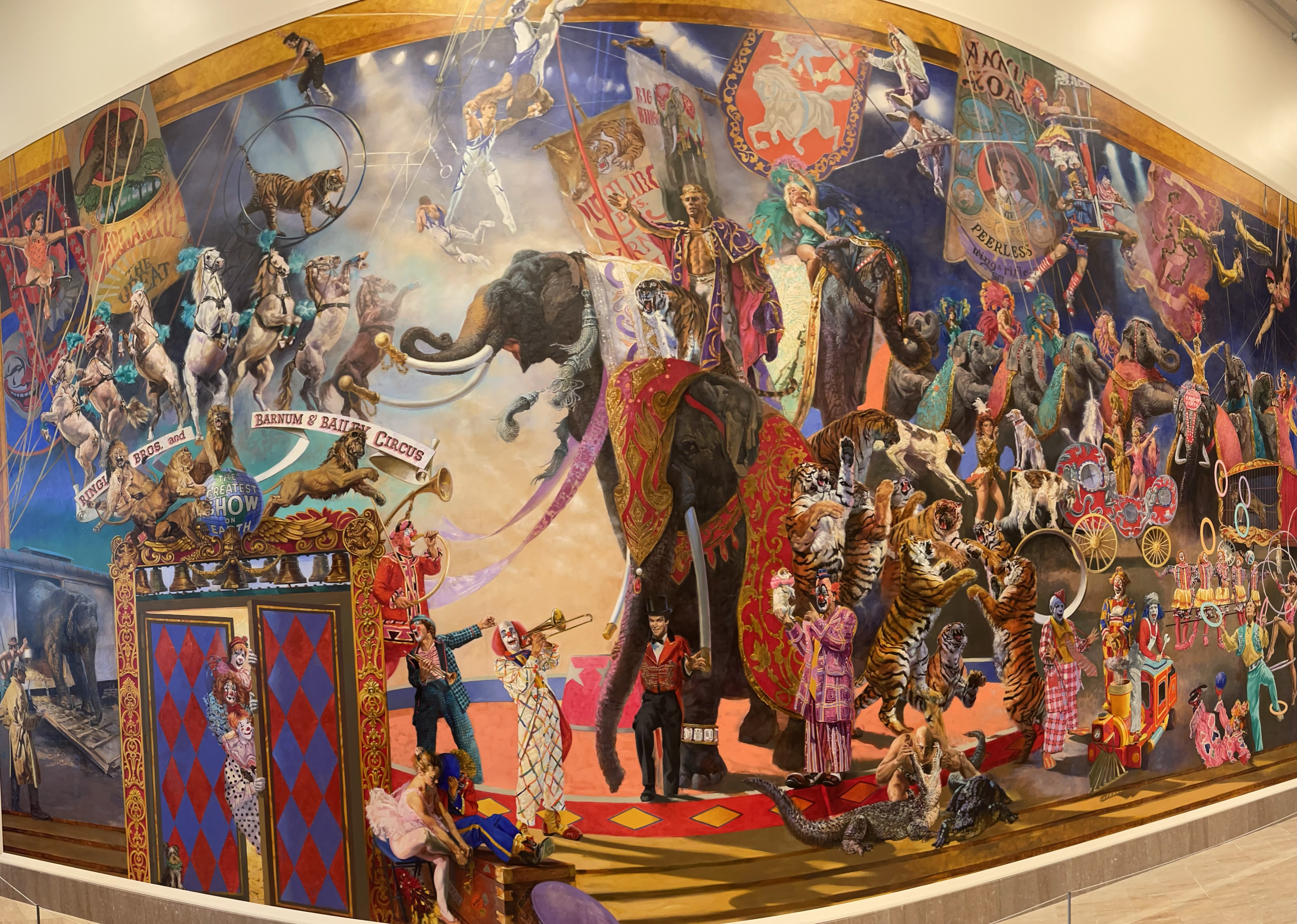 Photo credit© ULTIMATE International Media
And there is the Howard Bros. Circus Model, which the museum calls the world’s largest circus model: more than 42,000 pieces spread over 3,800 square feet, made by Howard Tibbals. Tiny tents, tiny horses, tiny ticket queues, a whole travelling city frozen mid-show. I could have stood there for an hour counting the clowns. In the interactive galleries you can try the tightrope, balance on a horse and squeeze into a clown car. I will say only that I tried, and that the clown car won.
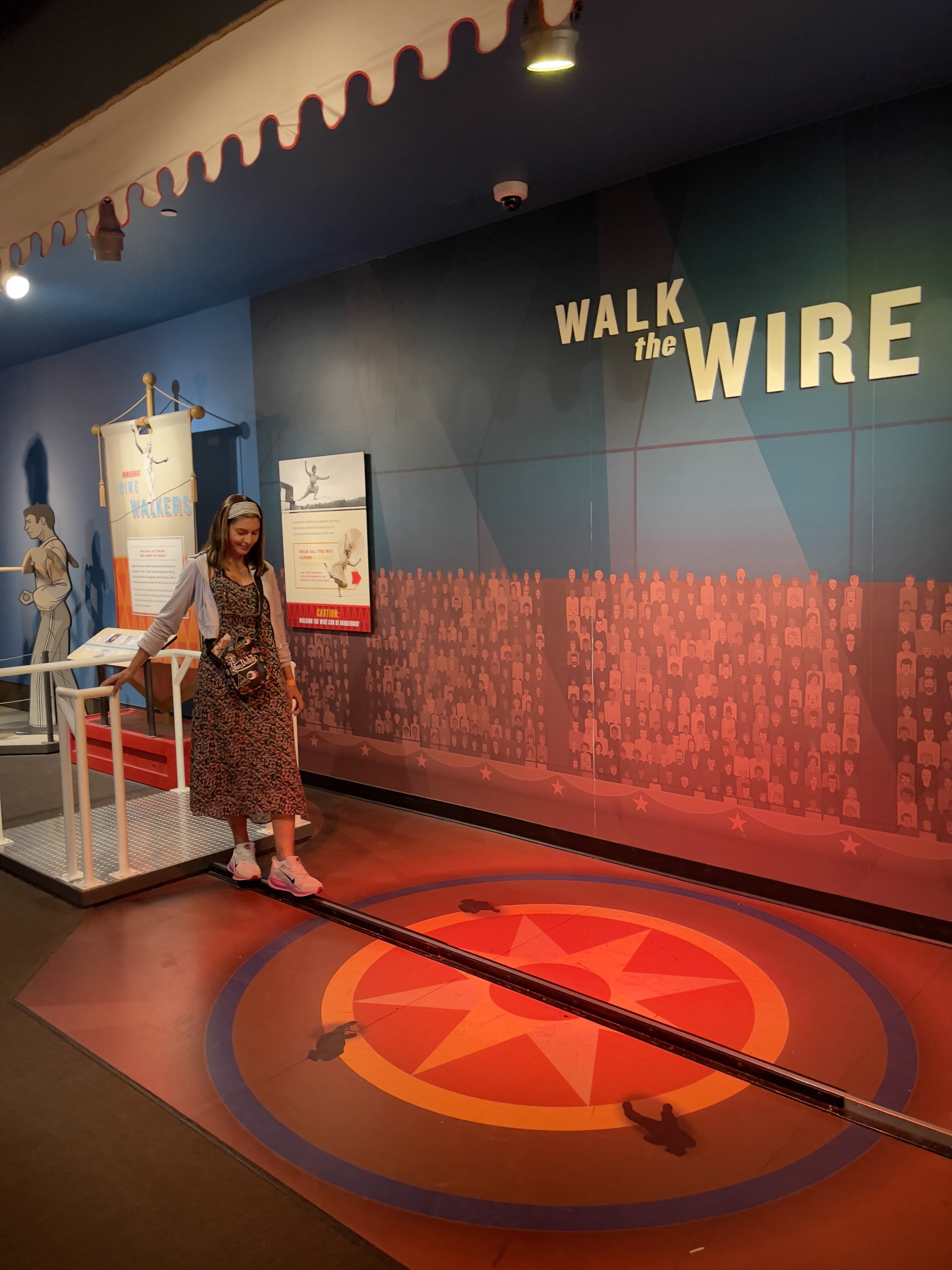 Photo credit© ULTIMATE International Media
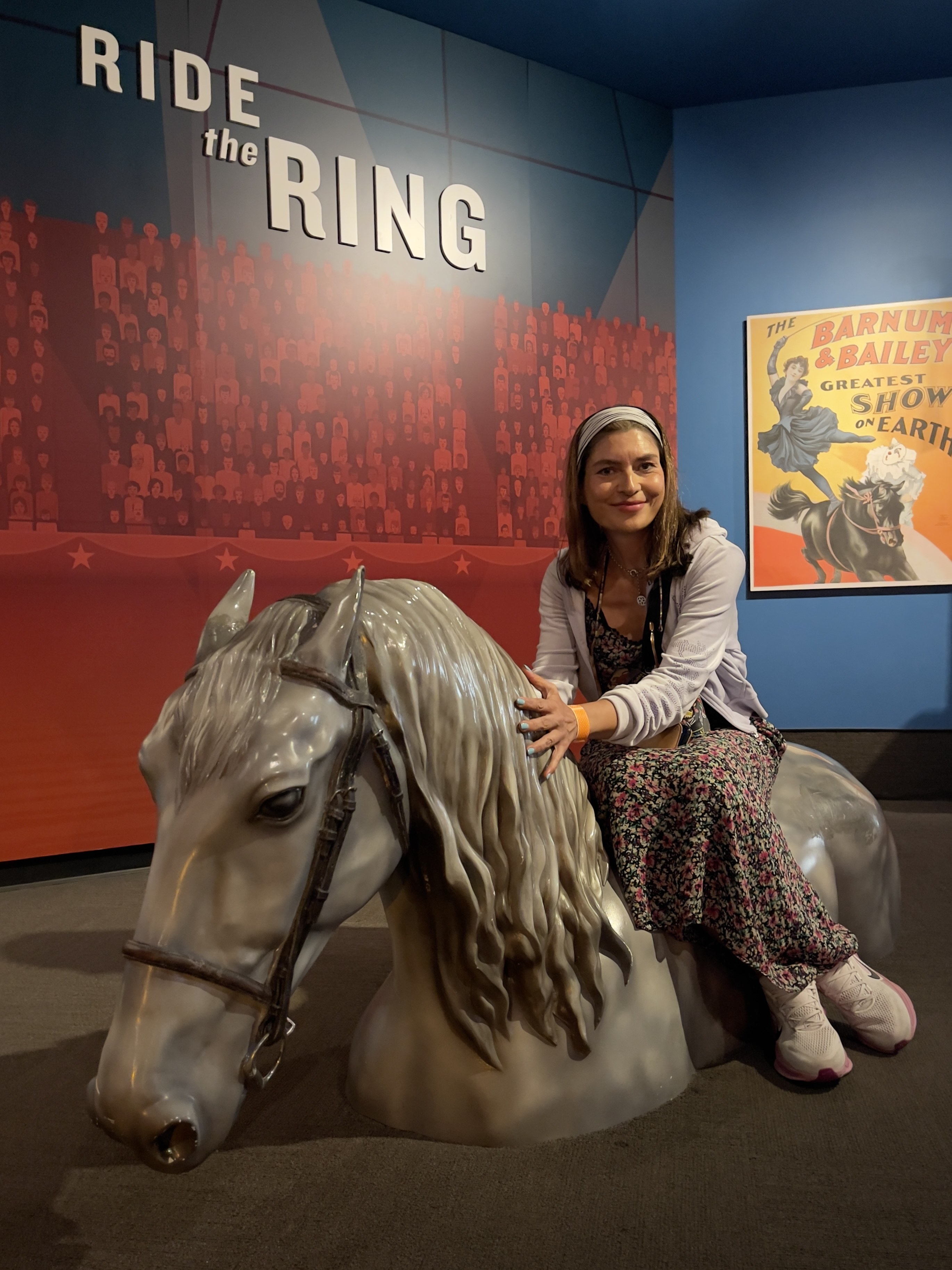 Photo credit© ULTIMATE International Media
A walk through the Bayfront Gardens
From the museums, the way to the house is a walk through the Bayfront Gardens, and they are a world of their own, a place to relax in the shade of a banyan and feel the cooling breeze off the bay. Mable Ringling was a passionate gardener, and her Rose Garden, 27,000 square feet of it, was her first great project on the estate, completed in 1913; after the hurricanes of 2024 it has been replanted and is blooming again. North of Ca’ d’Zan lies her Secret Garden, filled in her day with plants and cuttings from friends and neighbours, and brought back to life decades later by volunteers from the Sarasota Garden Club, of which Mable was the first president. Just beyond it, John, Mable and his sister Ida Ringling North are buried.
Outside the Visitors Pavilion, in the Dwarf Garden, stone figures from the commedia dell’arte peep out from under a banyan, a little joke between the painted and the performed. There are 14 banyans on the estate, whose roots pour down like the folds of a stage curtain, along with a rainbow eucalyptus, a shaving brush tree, a tiger’s claw and six kinds of bamboo, and a tree trail on the south side shaded by oak, holly, citrus and magnolia. The Ringling is an accredited arboretum, and along the promenade the breeze comes straight off the bay.
Under one old tree, whose branches crawl along the ground like sleeping snakes, red flowers hung right at eye level, and I sat down on a branch as if it had been put there for me. A little further on, a sunburst mosaic is set into the path in front of the banyans, and I stood in the middle of it like a sundial. Every painter should be allowed to be the centre of the sun, once.
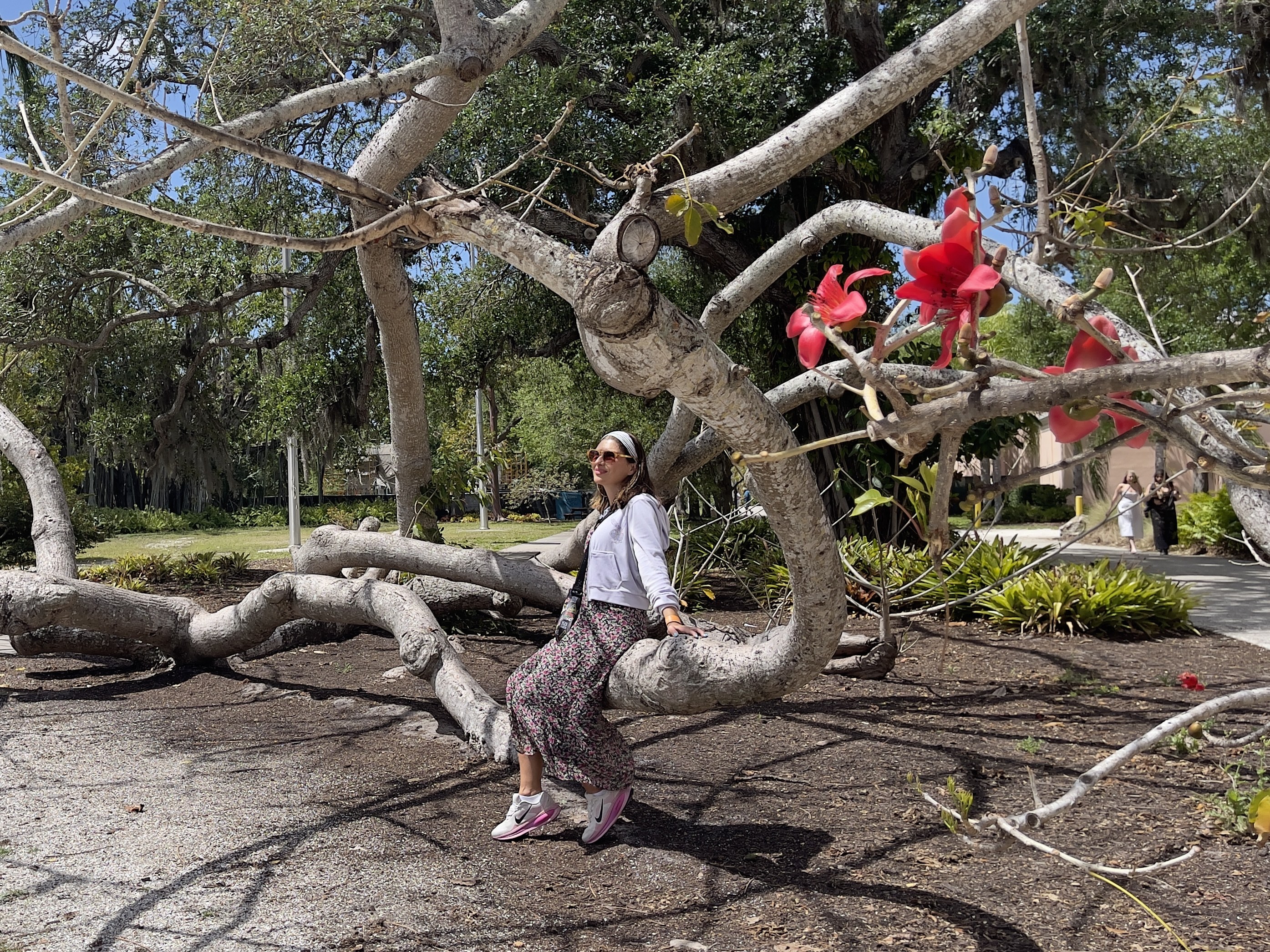 Photo credit© ULTIMATE International Media
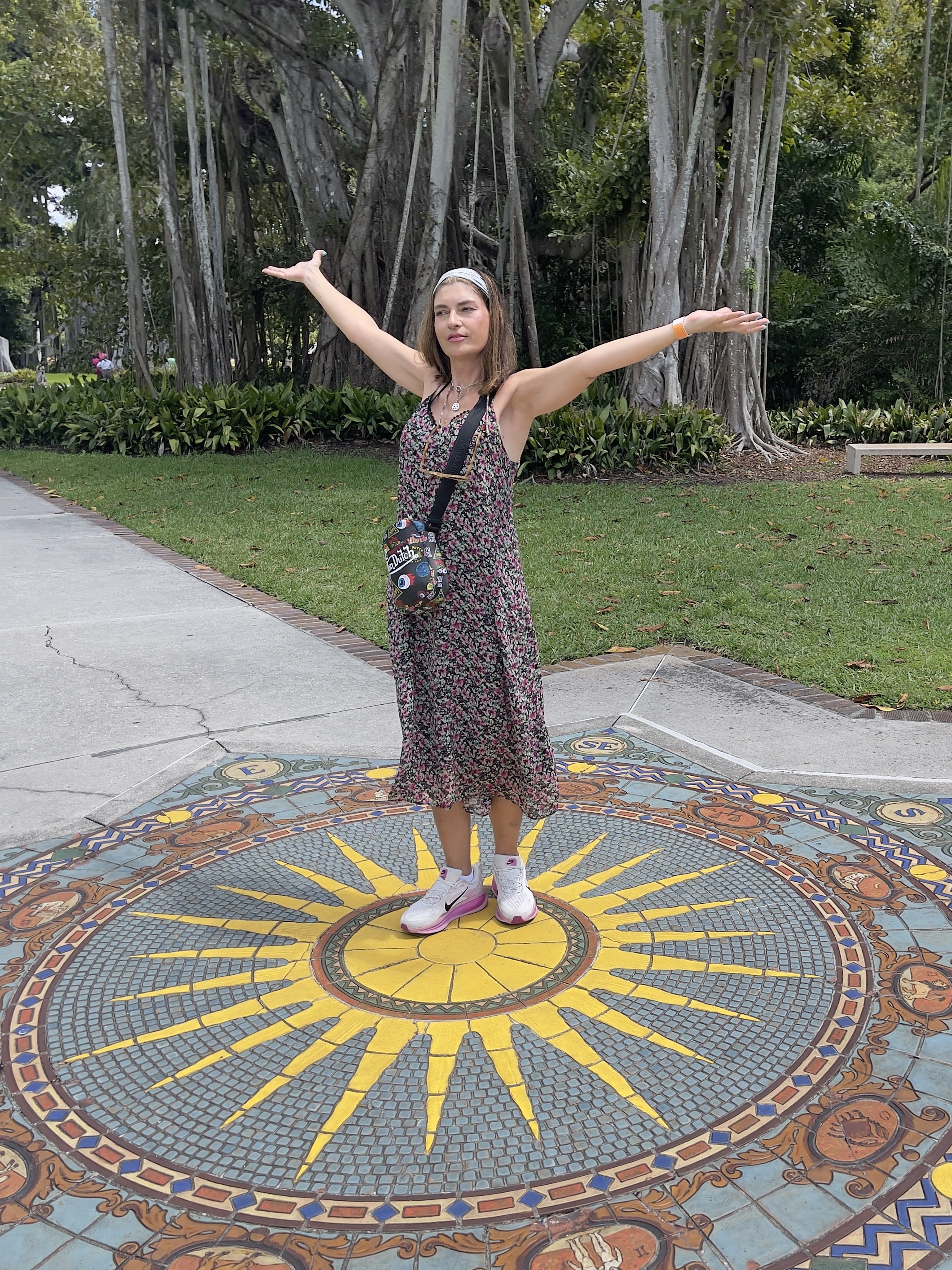 Photo credit© ULTIMATE International Media
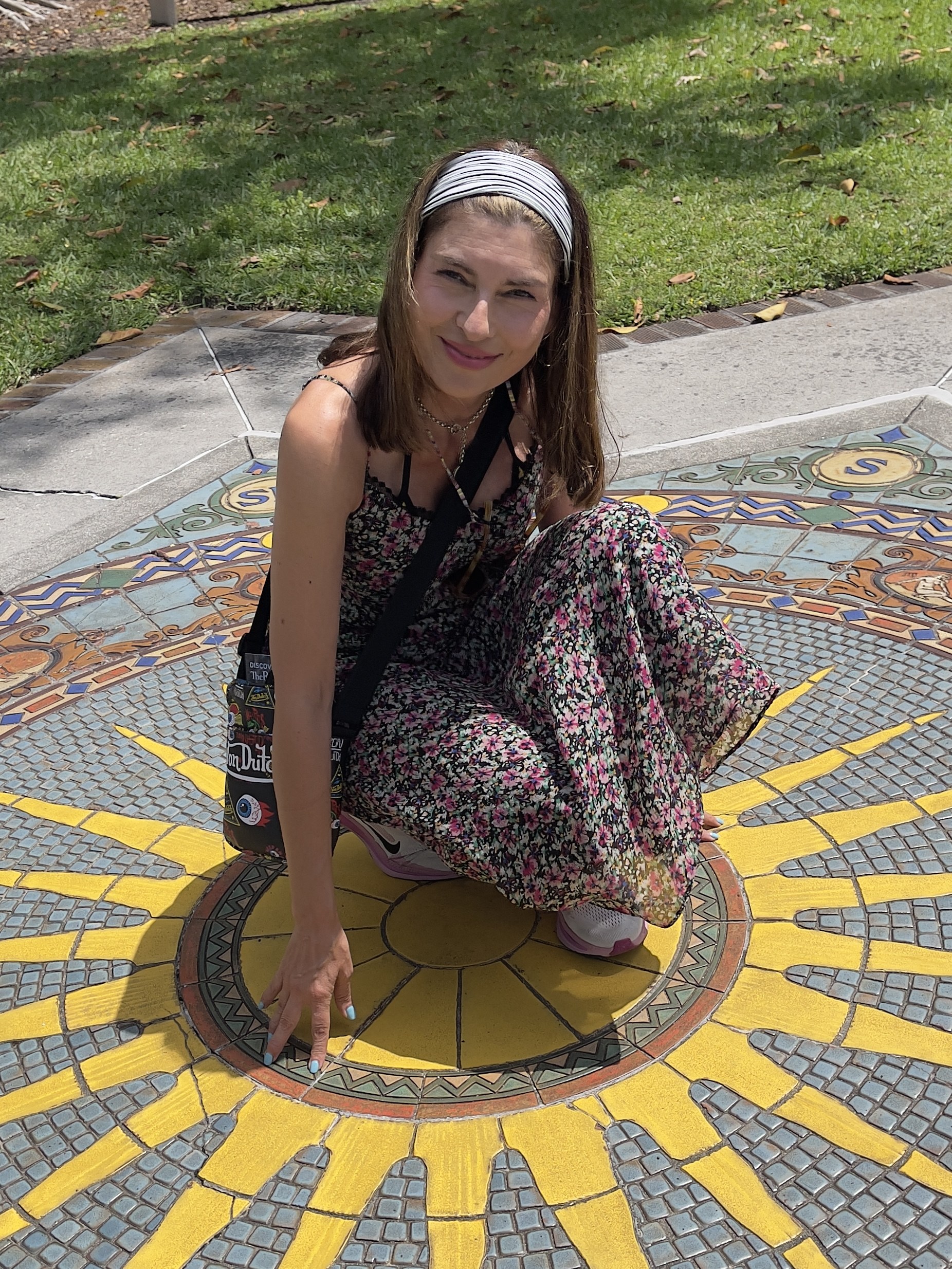 Photo credit© ULTIMATE International Media
Ca’ d’Zan, the House of John
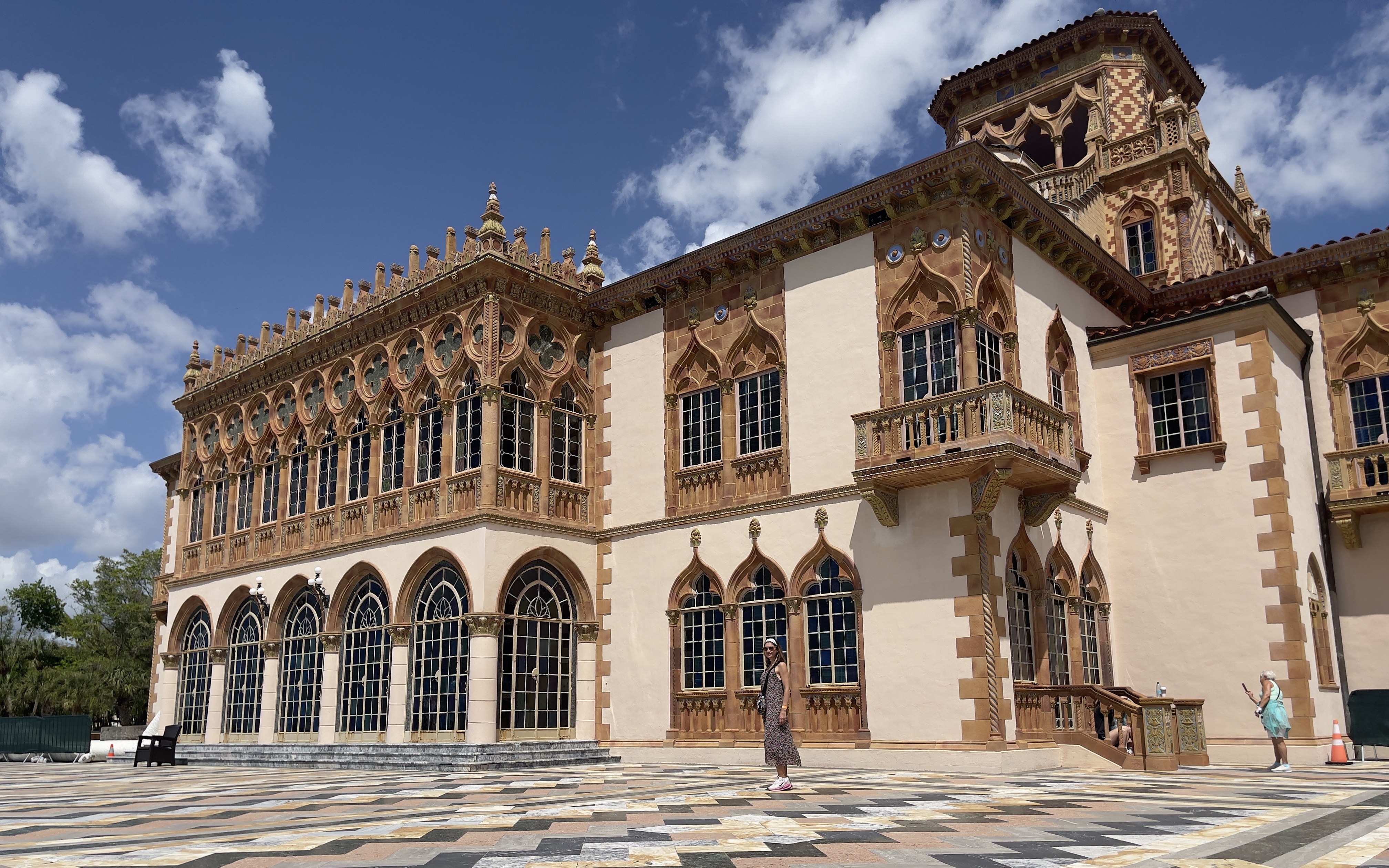
At the end of the garden walk, the house rounds off the day, not a rival to the paintings or the circus but something else entirely: a home. In 1924 John and Mable Ringling asked the architect Dwight James Baum to build them a home on the bay, and it was finished in late 1926. They called it Ca’ d’Zan, “House of John” in the Venetian dialect, and it is a dream of Venice in Florida: a Mediterranean Revival palace with Italian Renaissance and Venetian Gothic details, a nod to the Doge’s Palace and the Ca’ d’Oro, 36,000 square feet and 56 rooms, with a ballroom, a tap room and a great hall.
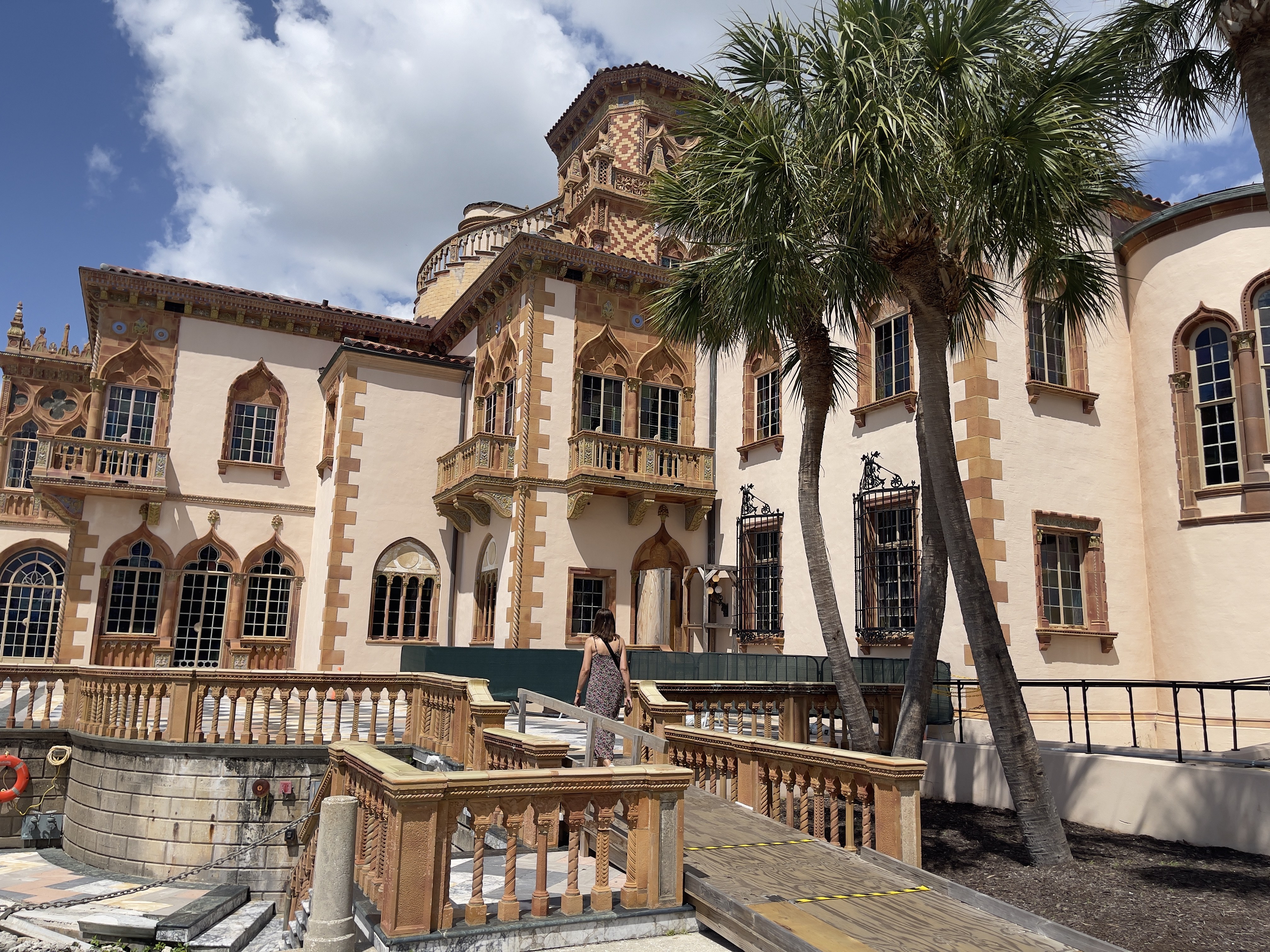 Photo credit© ULTIMATE International Media
From the bay it rises in warm stone and colour, crowned by a Belvedere Tower five storeys high. Below it the terrace, 13,000 square feet of coloured marble laid in a chevron, runs down to the bay, and I stood at the balustrade in the bright Florida sun and understood exactly why a circus king would want to end each day here: after the noise of the big top, nothing but the water and the sky.
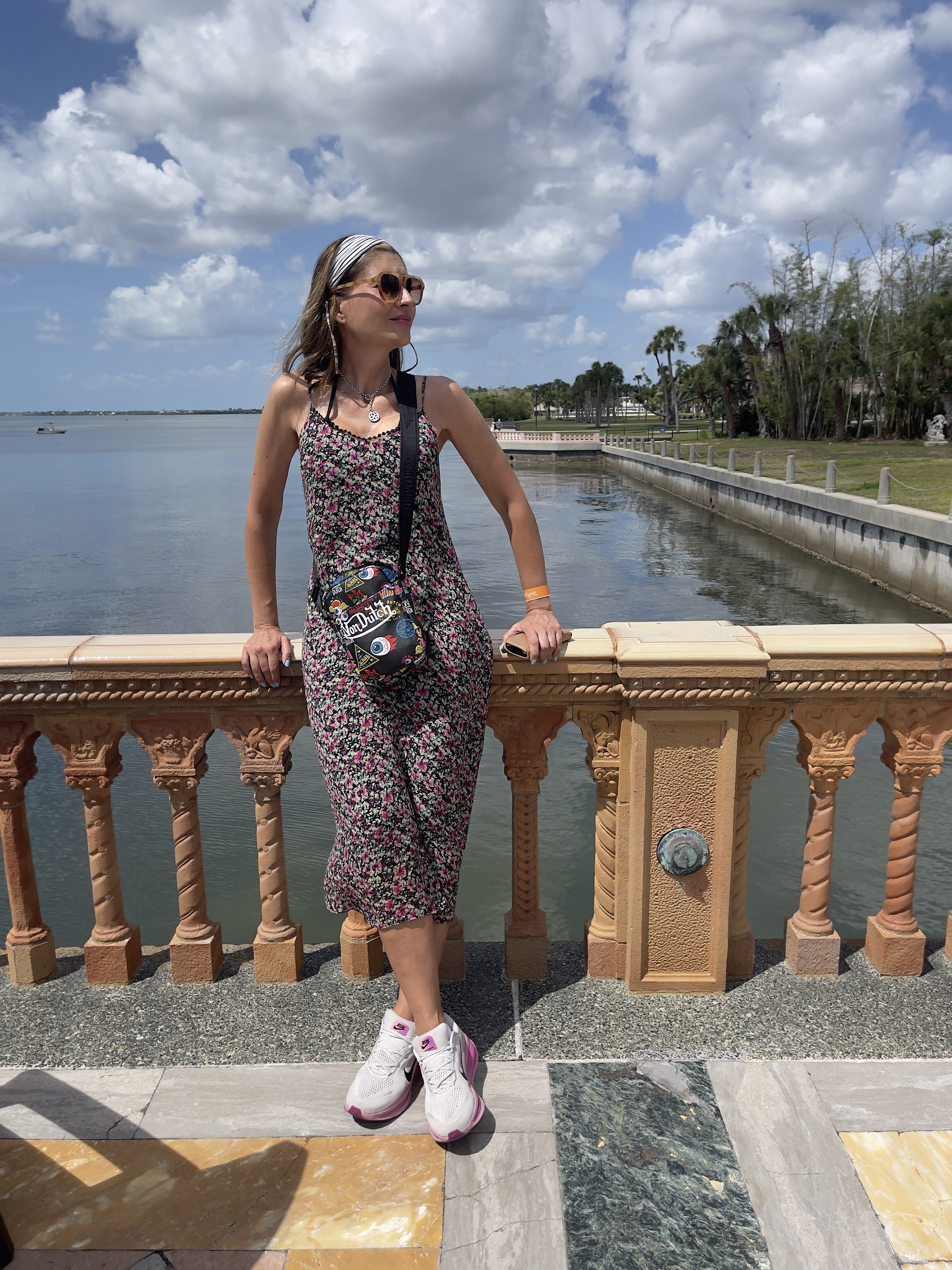 Photo credit© ULTIMATE International Media
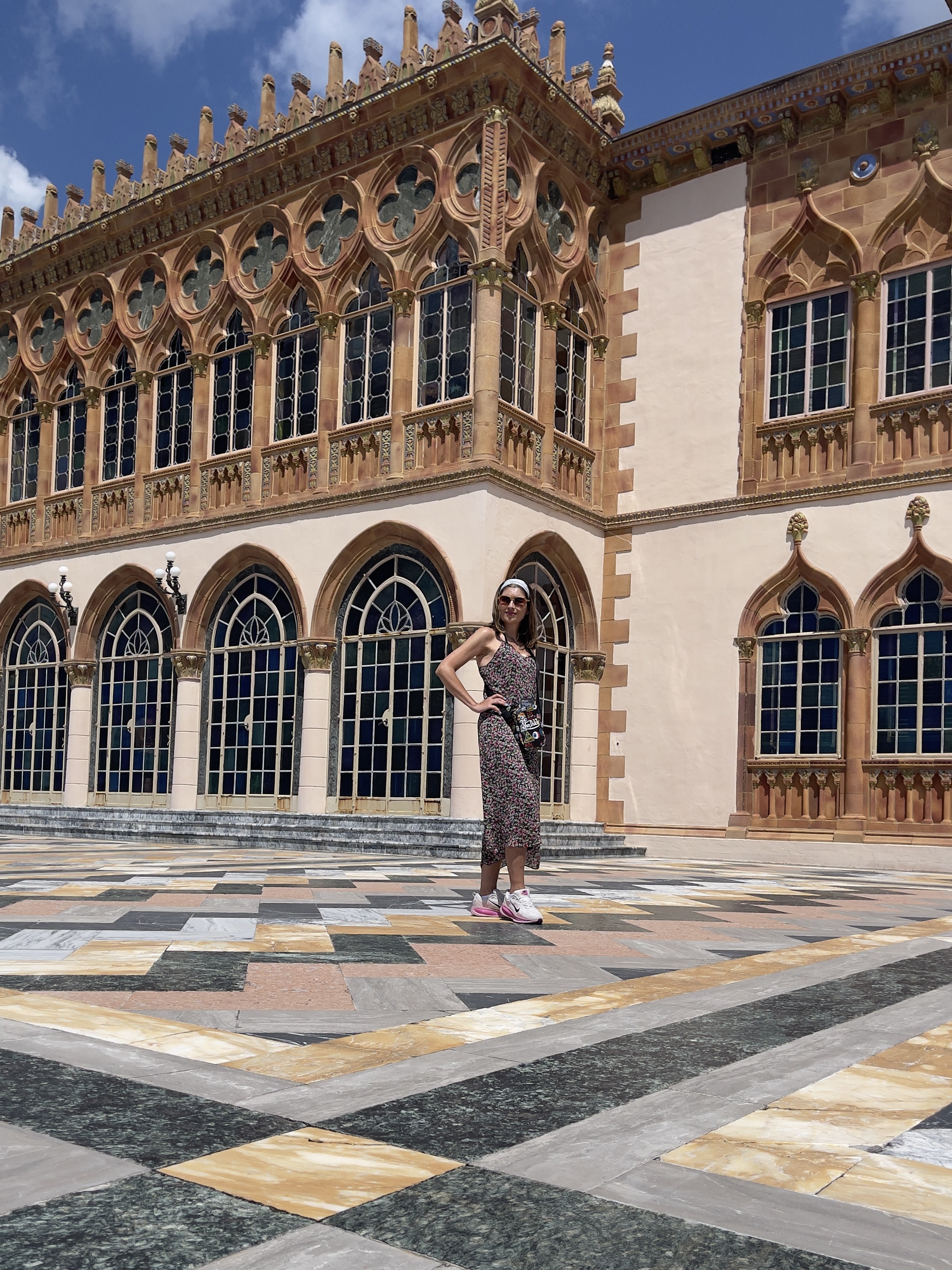 Photo credit© ULTIMATE International Media
The Historic Asolo Theater
And there is one more treasure, which most visitors walk past on their way in. The Historic Asolo Theater is a jewel box: built in 1798 inside a Renaissance-era palace in Asolo, in Italy, taken apart in 1931 to make way for a cinema, its painted panels, proscenium and gilded boxes kept in storage until The Ringling bought them in 1949 and rebuilt them here. It gave its first Sarasota performance in 1952, and it still stages plays, concerts, operas, lectures and films, under three tiers of boxes, entered through the Glass Pavilion. Only at The Ringling would a theatre emigrate.
I left with my notebook full and my feet complaining, and with one thought: that the best art collections are made by people who love a spectacle. John Ringling knew how to make the crowd gasp. Here, a century on, the crowd still does.
Before you go
Checked on ringling.org on 26 November 2026. The Ringling is at 5401 Bay Shore Road, Sarasota. It opens every day from 10am to 5pm, and on Thursdays until 8pm, when after 5pm only the Museum of Art and the Bayfront Gardens are open. Last entry is 30 minutes before closing. It closes only on Thanksgiving, Christmas Day and New Year’s Day.
Museum Admission covers the Museum of Art, the Circus Museum and the Bayfront Gardens, but not Ca’ d’Zan: $33 for adults, $30 for seniors over 65 and $5 for ages 6 to 17, with under-sixes free, and adults and seniors save $3 by booking online. Museum Admission with the first floor of Ca’ d’Zan, a self-guided visit at set times, costs $48, $45 and $20. To see the upper floors and the Belvedere Tower, weather permitting, book the “Uncovering Ca’ d’Zan” guided tour: $40, 60 to 70 minutes, at most eight people.
On Mondays the Museum of Art, the Bayfront Gardens and the Glass Pavilion are free, with no advance tickets (register at the Visitors Pavilion); the Circus Museum and Ca’ d’Zan are charged as usual. On Thursdays, Art After 5 opens the Museum of Art and the gardens from 5pm to 8pm for $15. The Ringling takes cards only on Sundays, Mondays and Tuesdays. Parking is free.
Getting there from downtown Sarasota, the museum’s own directions: drive north on North Tamiami Trail (US 41) to University Parkway, turn left onto the esplanade leading to the museum, then right into the car park of the FSU Center for the Performing Arts. Prices and hours change, so check ringling.org before you go.
My advice: come on a weekday morning, start with the house while the light is soft on the bay, give the Rubens rooms an unhurried hour, and keep the circus for last, when you need cheering up. Then stay for sunset, and watch the sky above Turrell’s room, and above the water, do its own painting.
Further reading
Jelena Bibić’s work: jelenabibic.com ↗