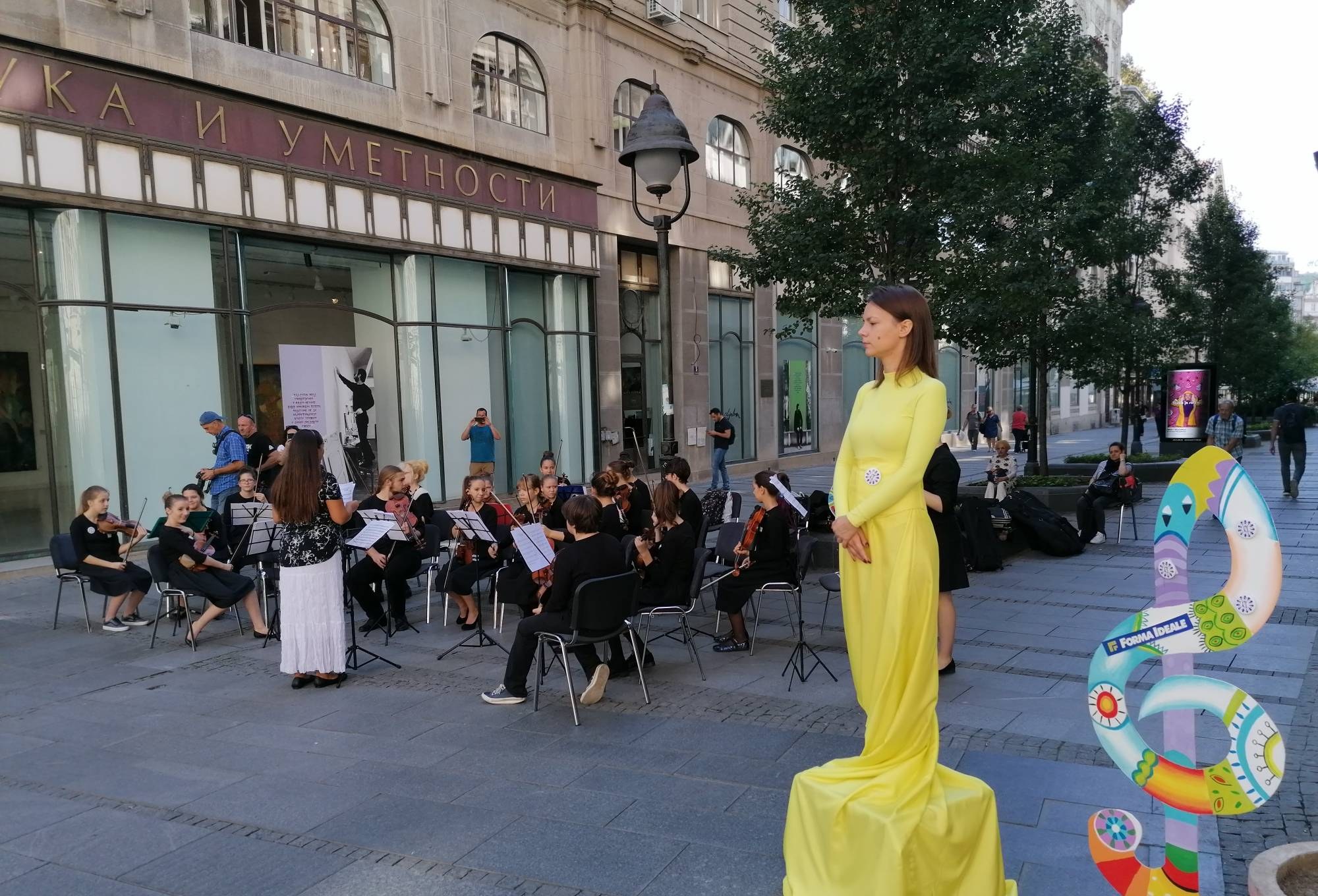
 Photo creditA.Milenković, CC BY-SA 3.0
National library
National Library of Serbia
Serbia’s library since 1832
The nation’s library since 1832, beside the Temple of Saint Sava, with exhibitions, readings and a researchers’ reading room.
The buildings that give Belgrade its character, from Habsburg Zemun to New Belgrade.
Photo creditA.Milenković, CC BY-SA 3.0Serbia’s library since 1832
The nation’s library since 1832, beside the Temple of Saint Sava, with exhibitions, readings and a researchers’ reading room.
 Photo creditFred Romero, CC BY 4.0
Modernist landmark
A white crystal on the riverbank at Ušće, holding the key collection of 20th-century Yugoslav and Serbian art.
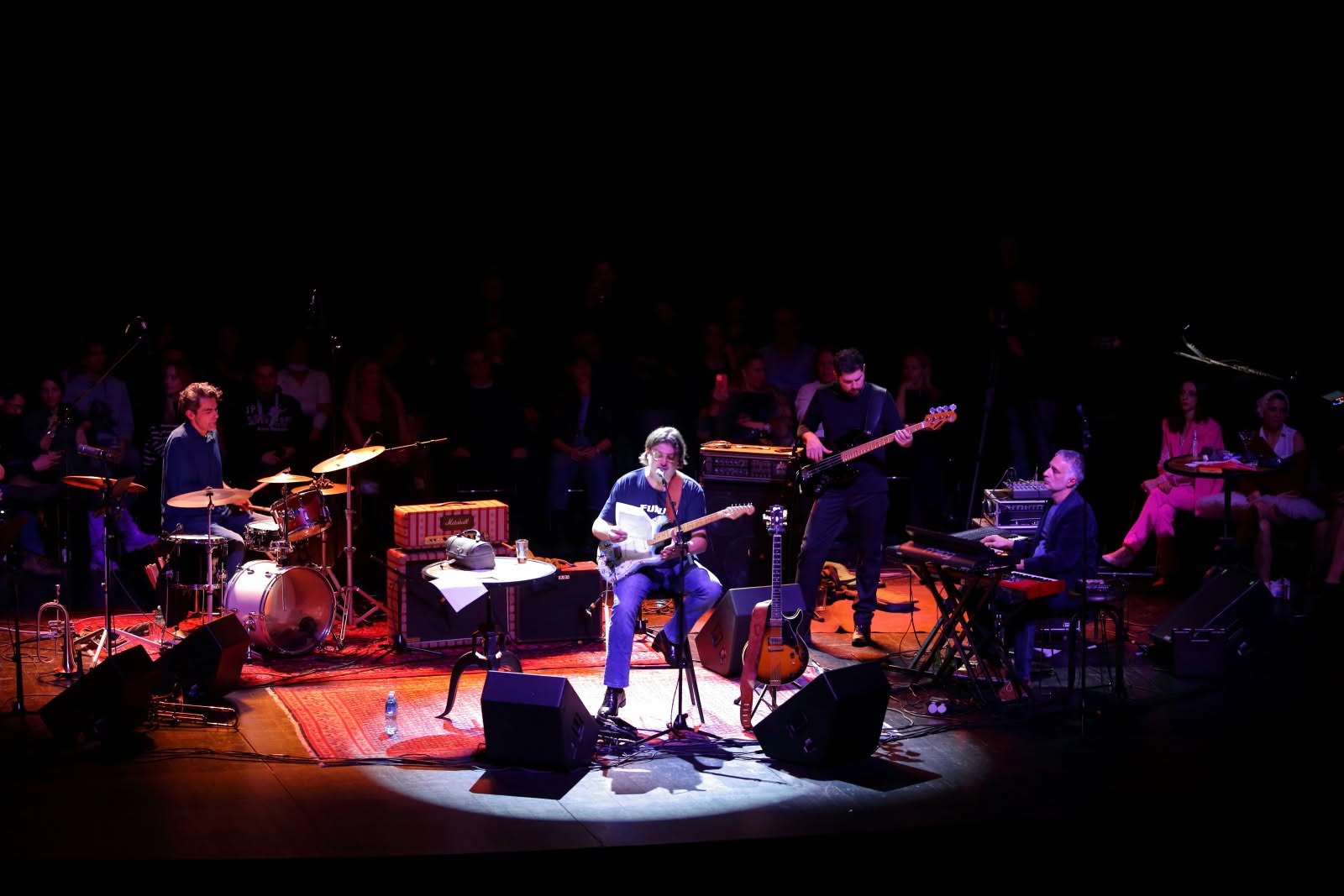 Photo creditCourtesy of Kolarac Endowment
Belgrade’s great concert hall
Belgrade’s classic concert hall since the 1930s, on Studentski trg, and home stage of the Belgrade Philharmonic.
 Photo creditPetar Milošević, CC BY-SA 4.0
Belgrade’s western gateway
Two concrete towers that agreed, high above the motorway, to hold hands.
 Photo creditNiegodzisie, CC BY 4.0
Belgrade’s eastern gateway
Three stepped towers on Konjarnik that open like a gateway as you drive past.
 Photo creditTexaner, CC BY-SA 4.0
Former Federal Palace
The first great building on the empty Sava plain, and still the largest by floor area in Serbia.
 Photo creditPetar Milošević, CC BY-SA 4.0
Late modernist
New Belgrade’s 1977 congress palace, a city in itself, with the renovated Blue Hall for concerts.
City-centre skyscraper
The dark tower at the top of the city centre, loved a little more with every decade.
 Photo creditJorge Láscar from Melbourne, Australia, CC BY 2.0
Pre-war landmark
Belgrade’s first skyscraper, and the first in Southeast Europe, wearing no ornament at all.
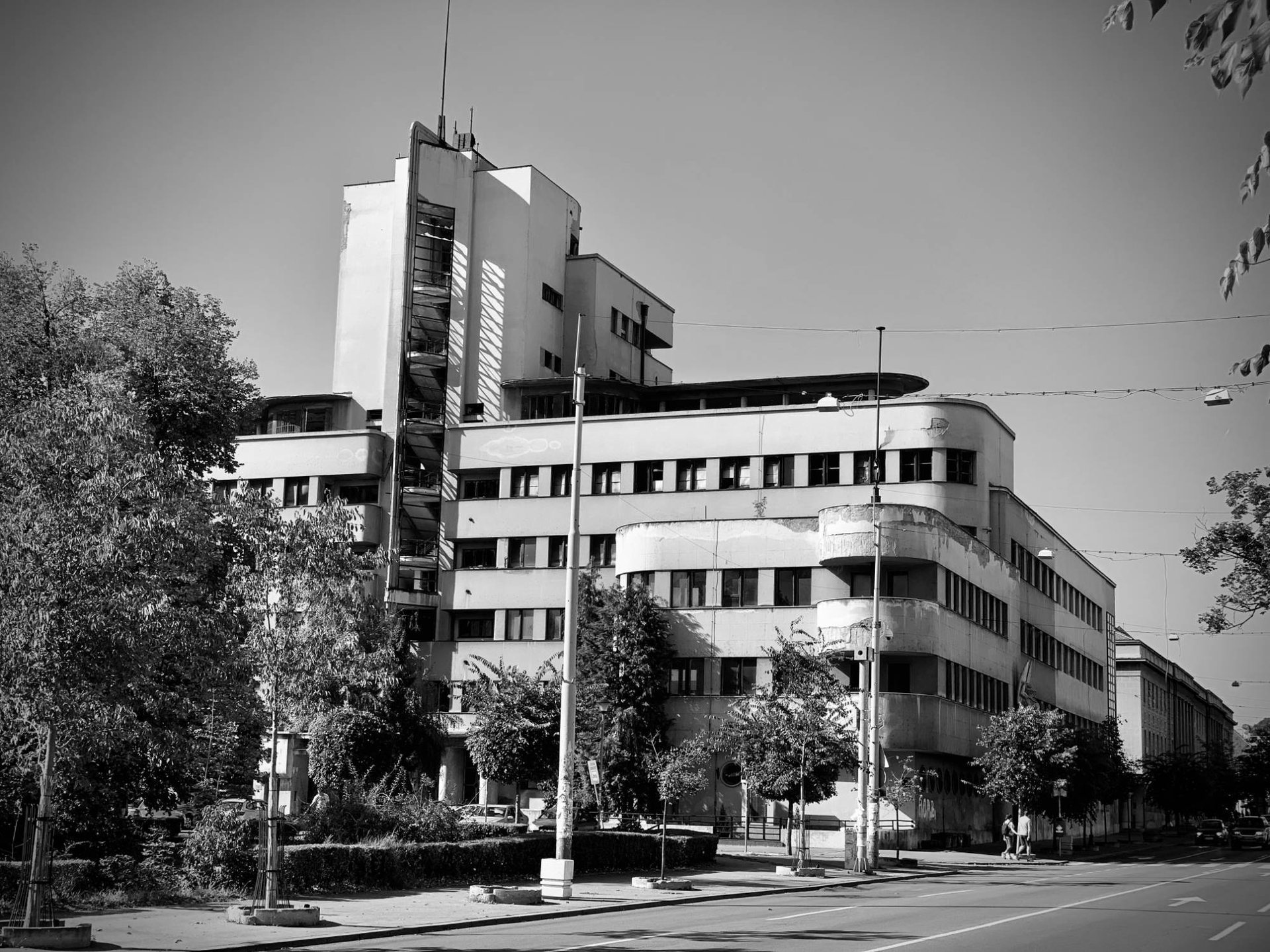 Photo credit© ULTIMATE International Media
Brašovan’s modernist icon
Brašovan’s stepped tower on Glavna, rising like a ship’s bridge or an aircraft taking off.
Symbol of the 1990s
Marble, glass and polished steel on Kralja Petra: the building that kept Belgrade’s architecture going through the 1990s.
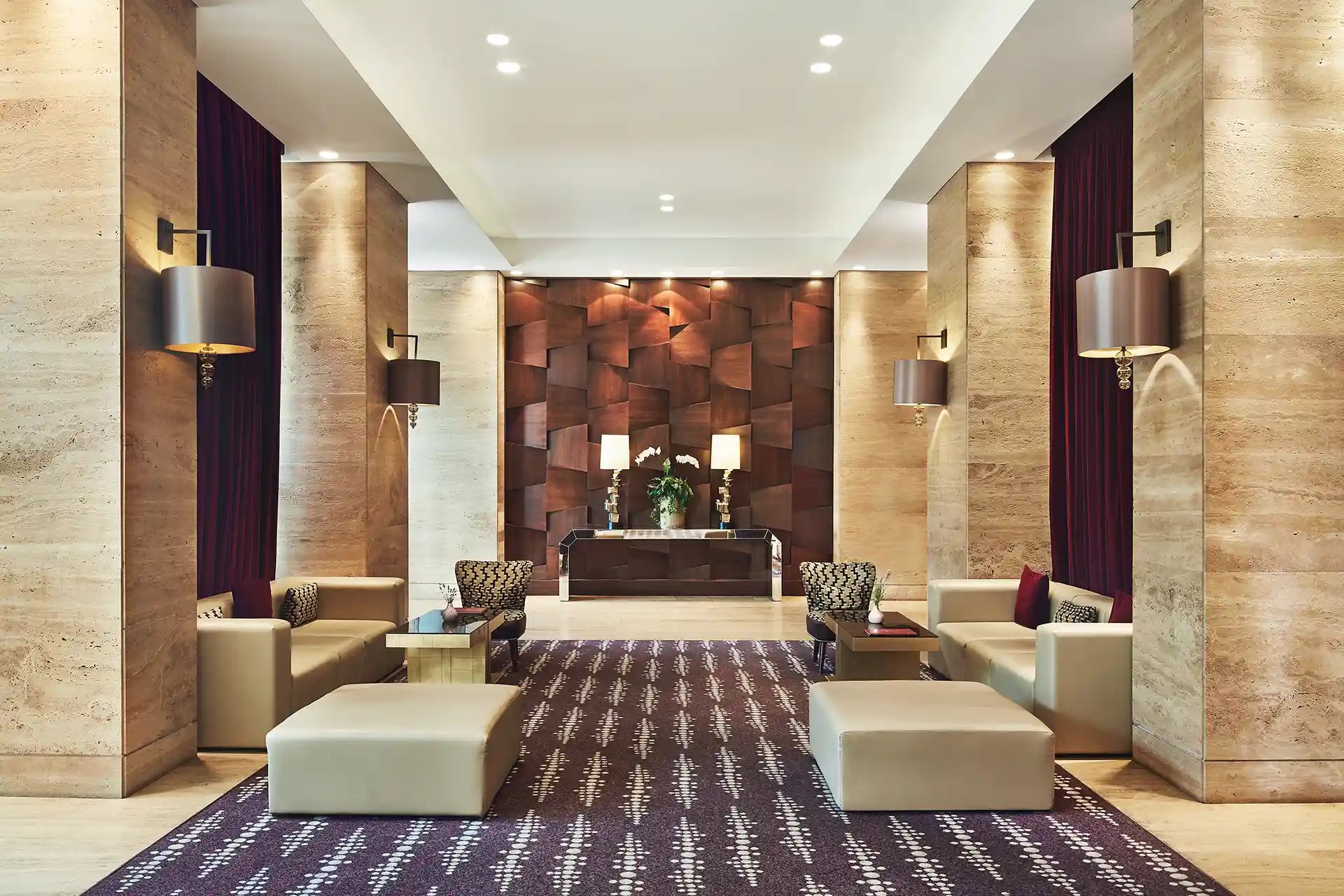 Photo creditCourtesy of Metropol Palace
Luxury Collection
Brašovan’s grand hotel by Tašmajdan: a youth headquarters that grew up into a palace.
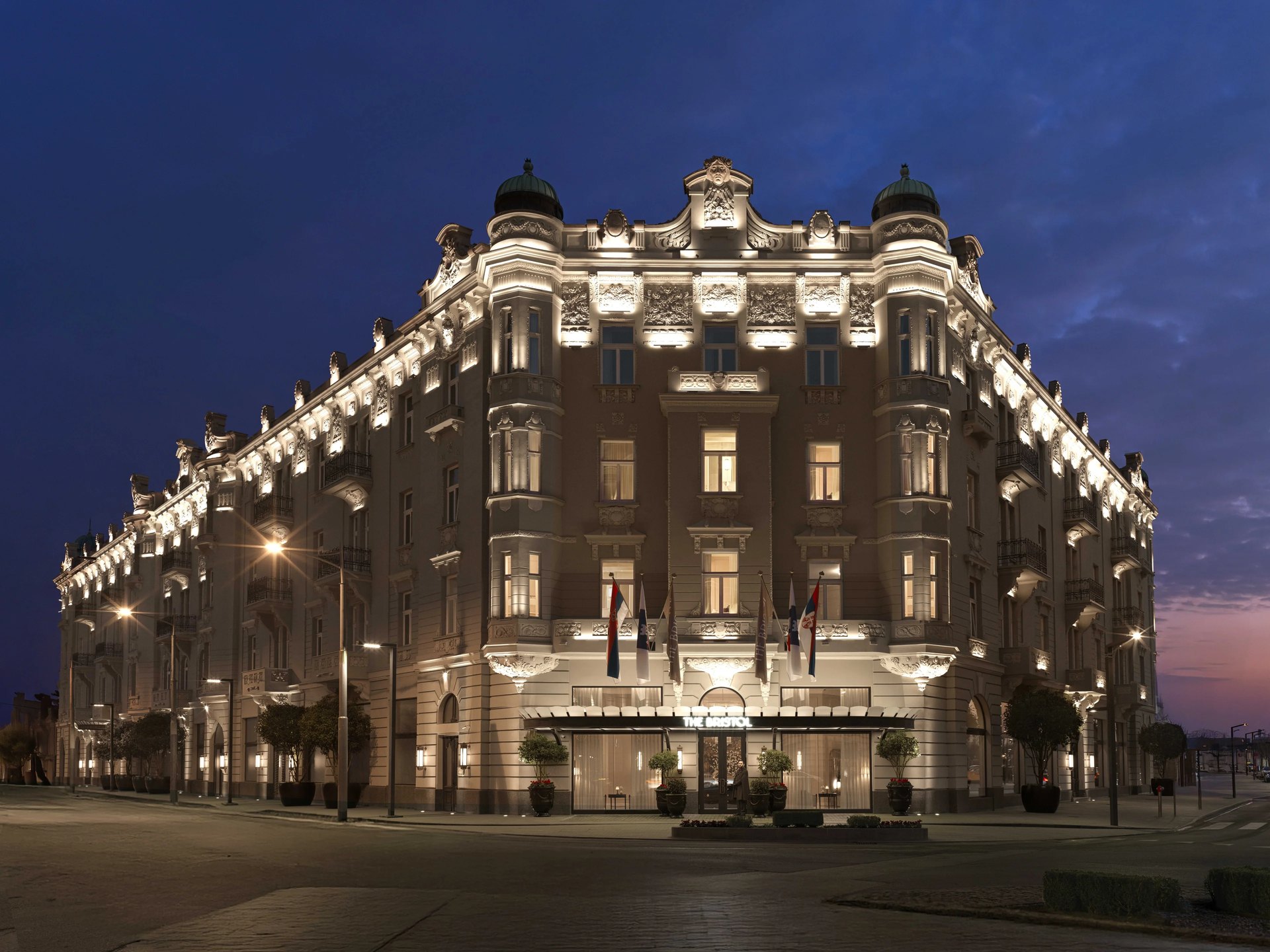 Photo creditCourtesy of The Bristol Belgrade
MICHELIN Guide hotel
Nestorović’s Secession corner in Savamala: five copper domes and a facade that kept the rain off for a century.
 Photo creditThe original uploader was Nicolo at Serbian Wikipedia., CC BY 3.0 rs
A Greek family’s memorial church
A Serbo-Byzantine church of 1874–76, built by a Greek merchant family over its own crypt.
Felber’s classic
Josef Felber’s pediment on Magistratski trg: Zemun classicism by the book.
On the park
A neo-Renaissance school of 1879 at the edge of the City Park.
Openings, open calls and new profiles, once a week.