- Tesla gave the world alternating current; his ashes rest on Krunska Street.
- Pupin’s coil carried voices across America; his memoir won a Pulitzer.
- Milanković timed the ice ages, and Cvijić named the karst.
Four men born within twenty-five years of each other, two of them in villages most maps leave out, changed how the world lights its homes, makes its calls, reads its climate and names its landscapes.
Nikola Tesla: the current that won
Tesla patented the alternating-current induction motor in 1888, and in 1896 power from Niagara Falls reached Buffalo on his polyphase system. He visited Belgrade once, in 1892, for 31 hours by the museum’s count. The city has been making up for the short stay ever since: the Nikola Tesla Museum on Krunska Street, opened in 1955 in a villa by Dragiša Brašovan, keeps his archive and, since 1957, his ashes in a golden sphere.
Mihajlo Pupin: the coil that shrank a continent
Pupin left Idvor, in the Banat, for America in 1874 and became a professor at Columbia. His loading coil, patented in 1900, carried telephone voices clearly over long lines, and in 1896 he made some of the earliest X-ray photographs in America. His memoir, From Immigrant to Inventor, won the Pulitzer Prize for Biography in 1924. His teaching was as remarkable as his inventions: Edwin Howard Armstrong, who invented FM radio, was his student and assistant.
Milutin Milanković: the rhythm of the ice
An engineer in reinforced concrete who took the chair of applied mathematics in Belgrade in 1909, Milanković spent decades calculating how much sunlight had fallen on every latitude of the Earth over hundreds of thousands of years. His Canon of Insolation appeared in 1941; ocean-floor cores confirmed it in 1976. The Milanković cycles now underpin how the world understands the slow rhythms of climate.
Jovan Cvijić: words for the ground
Cvijić’s 1893 doctorate on karst carried Serbian words such as uvala, ponor and vrtača into the international language of geography. He mapped the Balkans on foot over decades, presided over the Academy from 1921, and drew the plans of his own house on Jelene Ćetković Street, now his museum.
Where to find them
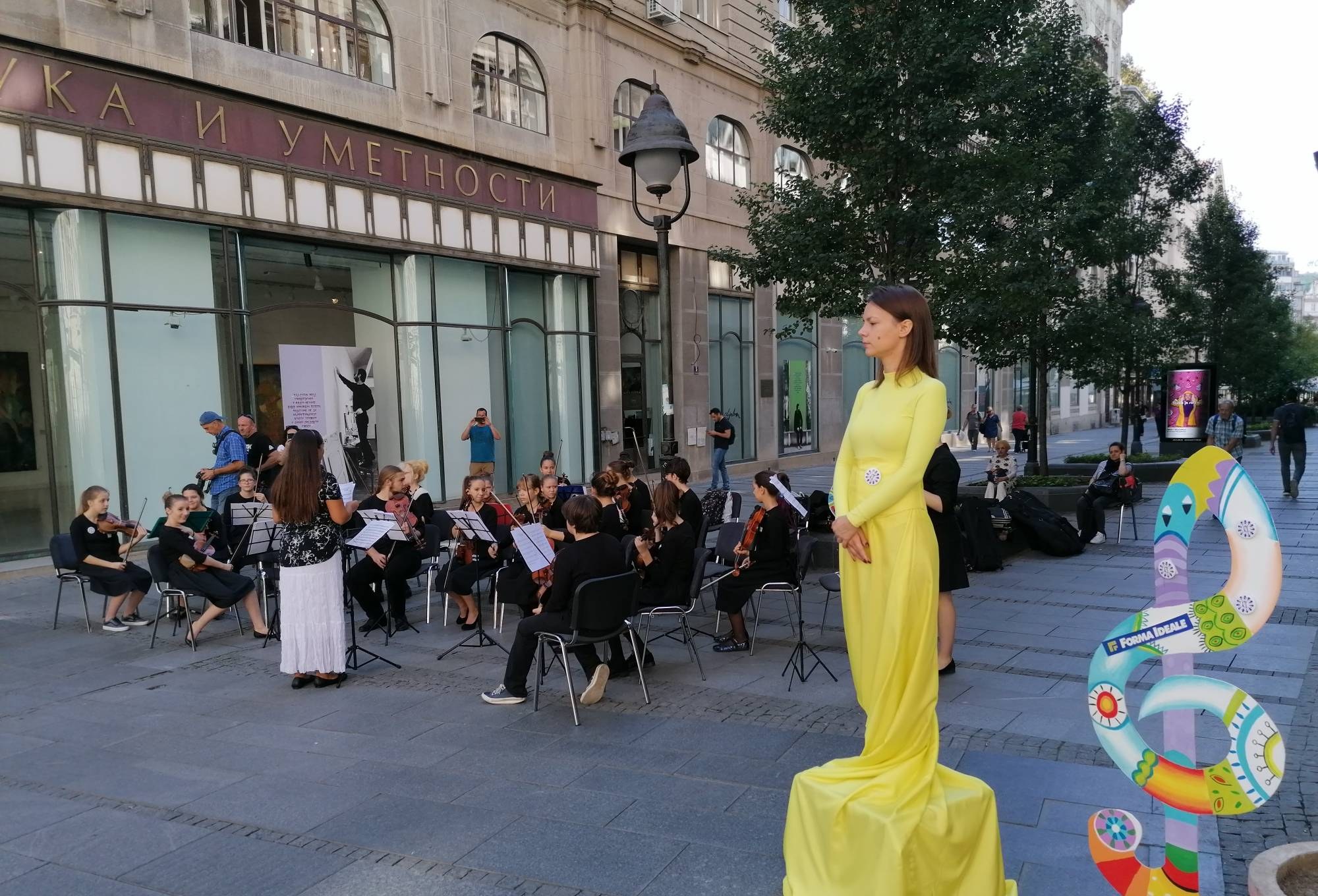
Start at the Nikola Tesla Museum on Krunska Street, then walk to Knez Mihailova, where the Serbian Academy of Sciences and Arts has shown art, science and history side by side in its gallery since 1968. The Cvijić house-museum has been closed for reconstruction, so check with the Belgrade City Museum before you go.
Further reading
ULTIMATE Planet Earth: the man who timed the ice ages ↗