- Belgrade keeps its sciences and arts in one Academy, under one roof.
- Tesla, Milanković and Cvijić all crossed the line between engineering and imagination.
- This avenue follows the story from the pioneers to computer art and today.
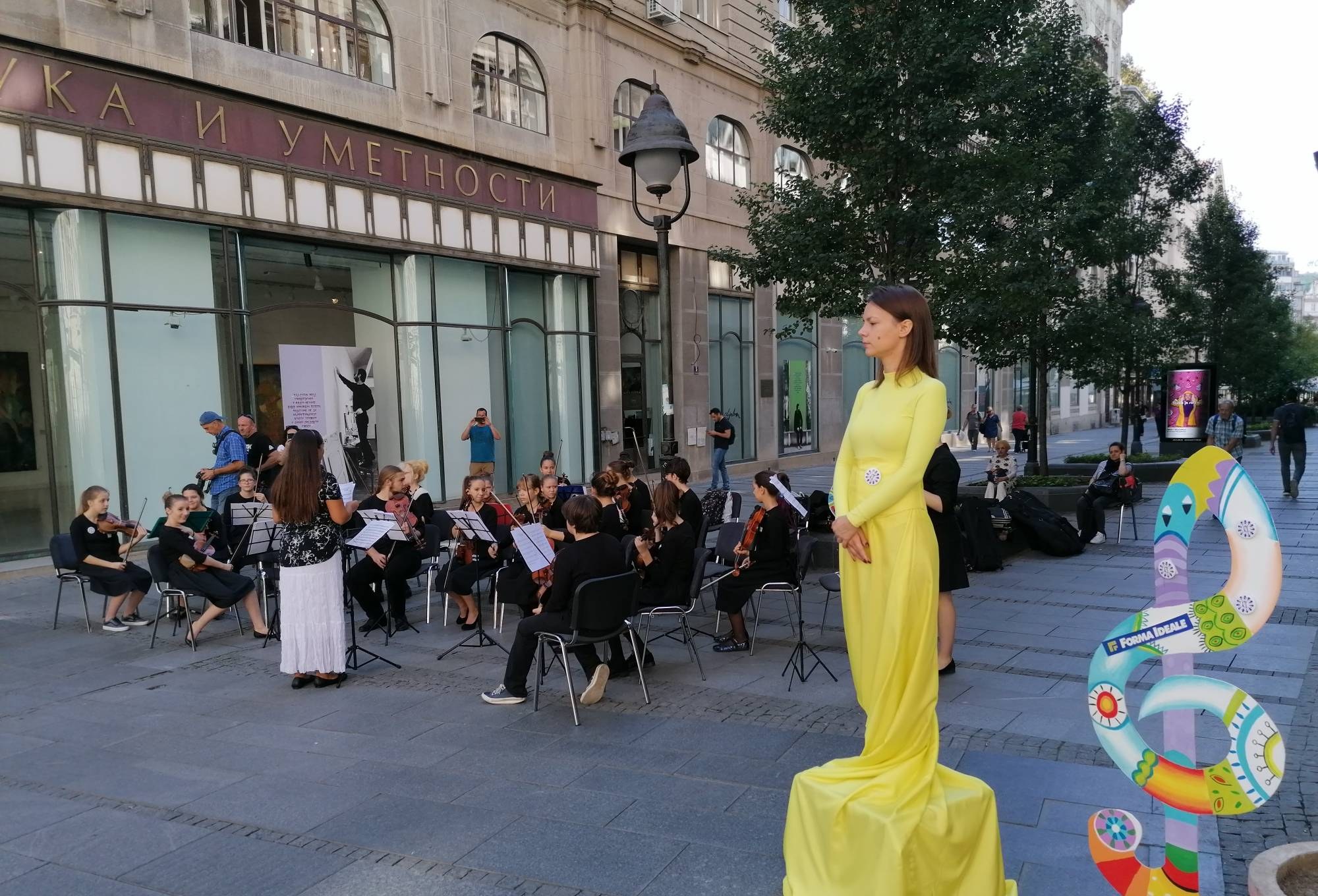
Belgrade keeps its Academy of Sciences and its Academy of Arts in the same institution, under the same roof on Knez Mihailova, and has done for as long as anyone can remember. It is a filing decision that turns out to be a philosophy.
The same first step
Art and science both start by looking harder than anyone else at the same world: at light, at weight, at how a thing is made and why it holds. A painter studying how shadow falls and an engineer working out where a load goes are asking neighbouring questions. Then both have to show what they found, which is why the scientific drawing, the diagram and the well-made model are as much craft as calculation.
A city of crossovers
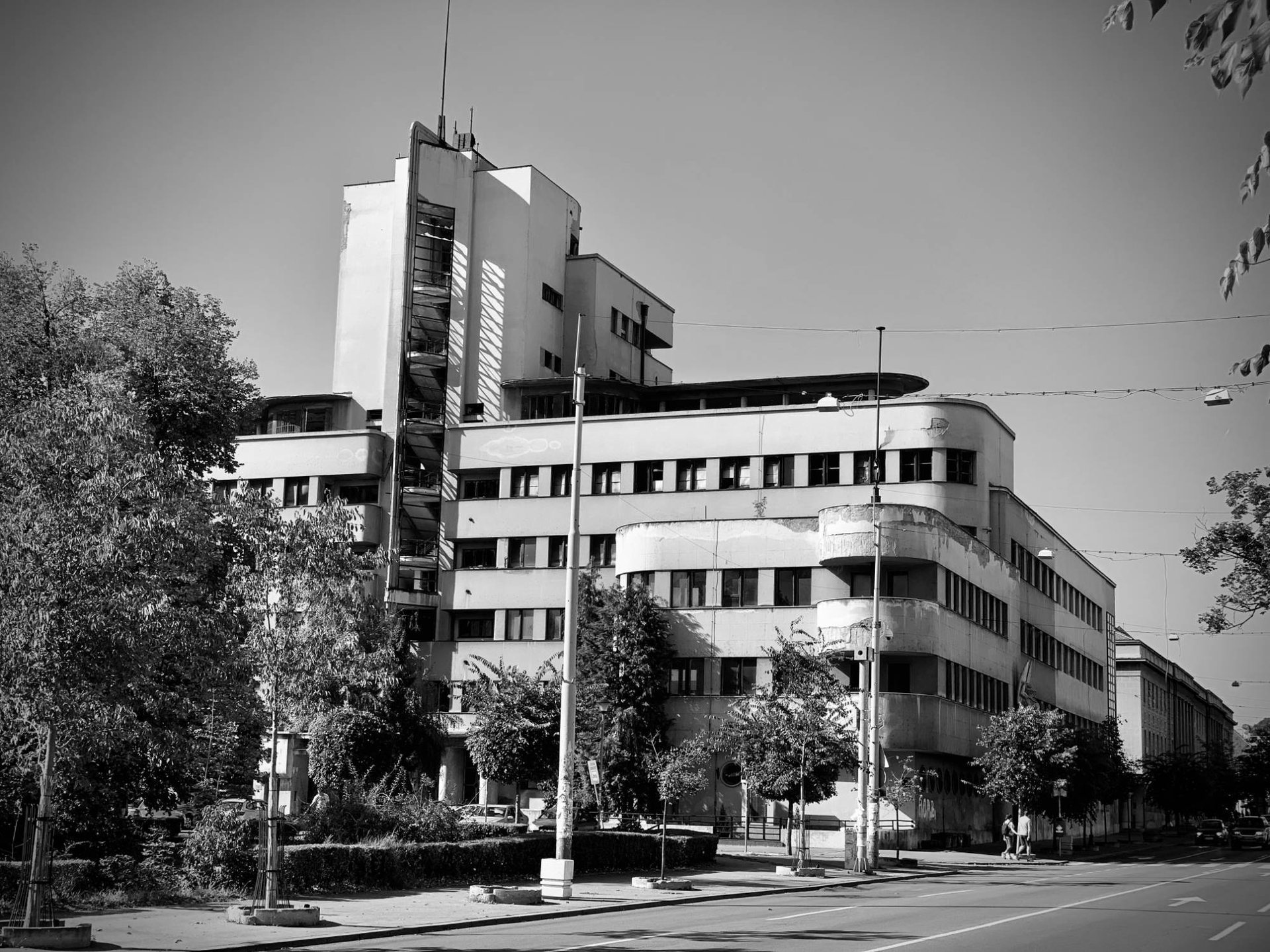
Belgrade’s history is full of people who would not stay in one lane. Nikola Tesla claimed he could build and test a machine entirely in his head before he touched a tool: an imagination doing an engineer’s work. Milutin Milanković designed in reinforced concrete before he spent decades calculating the rhythm of the ice ages, and he made the structural calculations for Dragiša Brašovan’s stepped modernist tower in Zemun. A climate scientist holding up a work of architecture is about as neat a metaphor as this series could ask for.
Jovan Cvijić, who gave the world its words for sinkholes and caves, designed his own house. And Tesla’s ashes now rest in a villa by Brašovan, the architect whose Air Force building Milanković helped to stand: the city has a habit of tying its makers together.
Why it belongs here
ULTIMATE Art treats Science as an avenue of its own because the story does not stop with the inventors. In the 1960s Zagreb’s New Tendencies brought computers into art, a Belgrade magazine taught readers to build a computer at home, and engineers in Belgrade developed a way of building that travelled far beyond Yugoslavia. Today science centres, magazines and festivals carry the conversation on.
This avenue gathers the pioneers, the museums, the long reads and the places where the two disciplines still meet. Start with the pioneers, then follow the concrete.