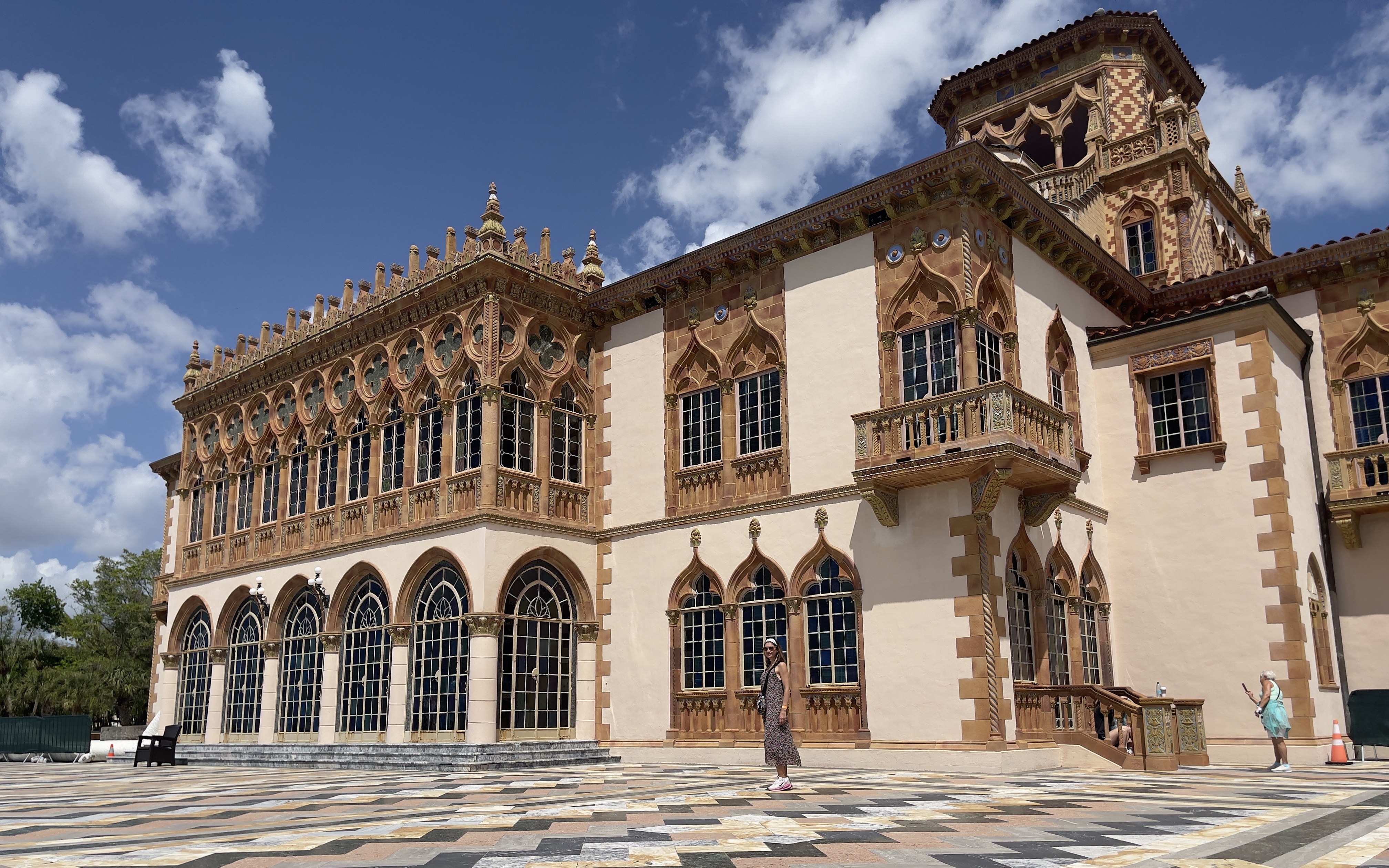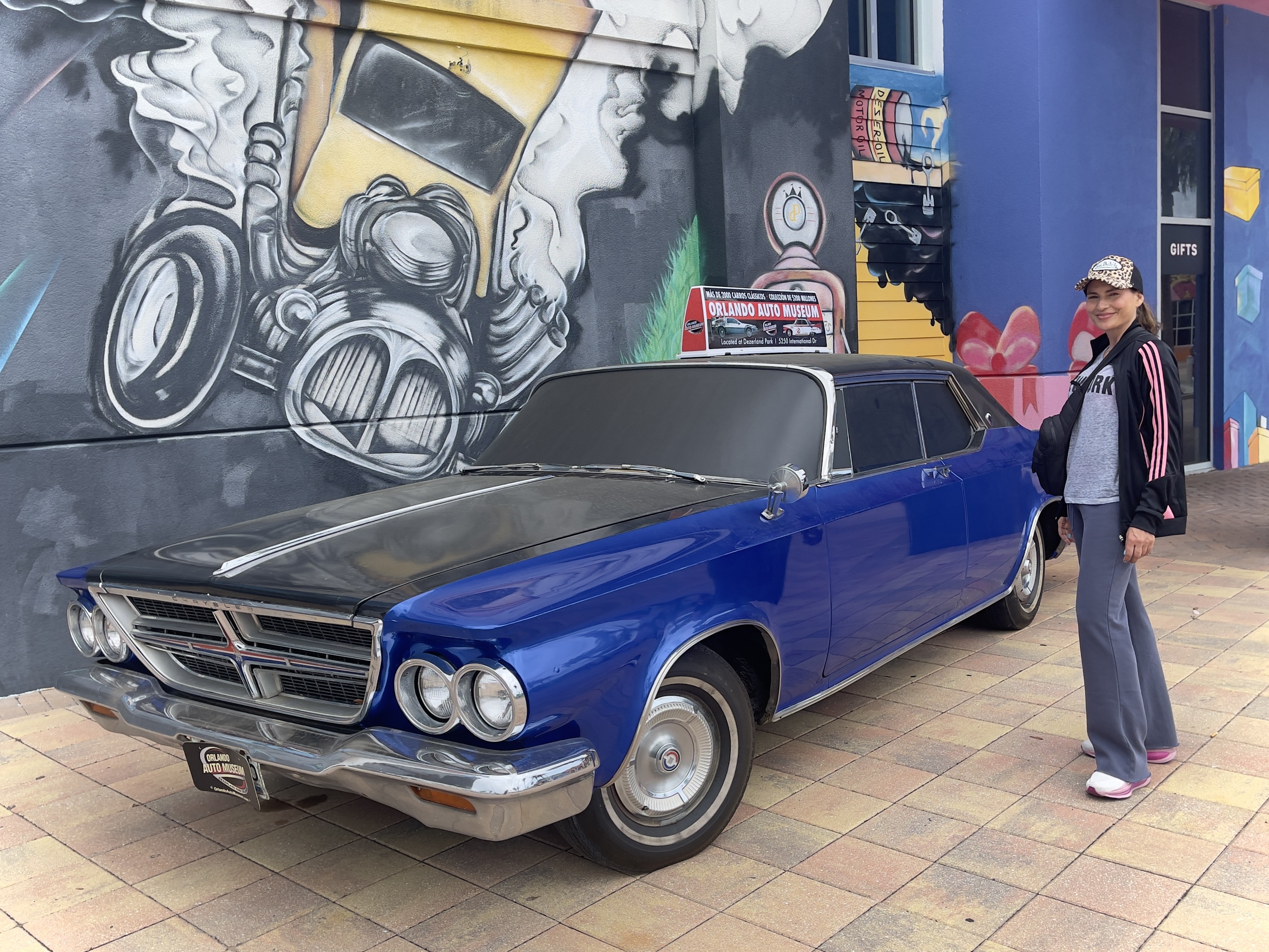
I have painted rock stars, screen legends and more eagles than I can count. I had never before been upstaged by a Plymouth. That changed one afternoon on International Drive, in Orlando, where the most photographed celebrities in the building have headlamps instead of eyes and never once complain about their lighting.
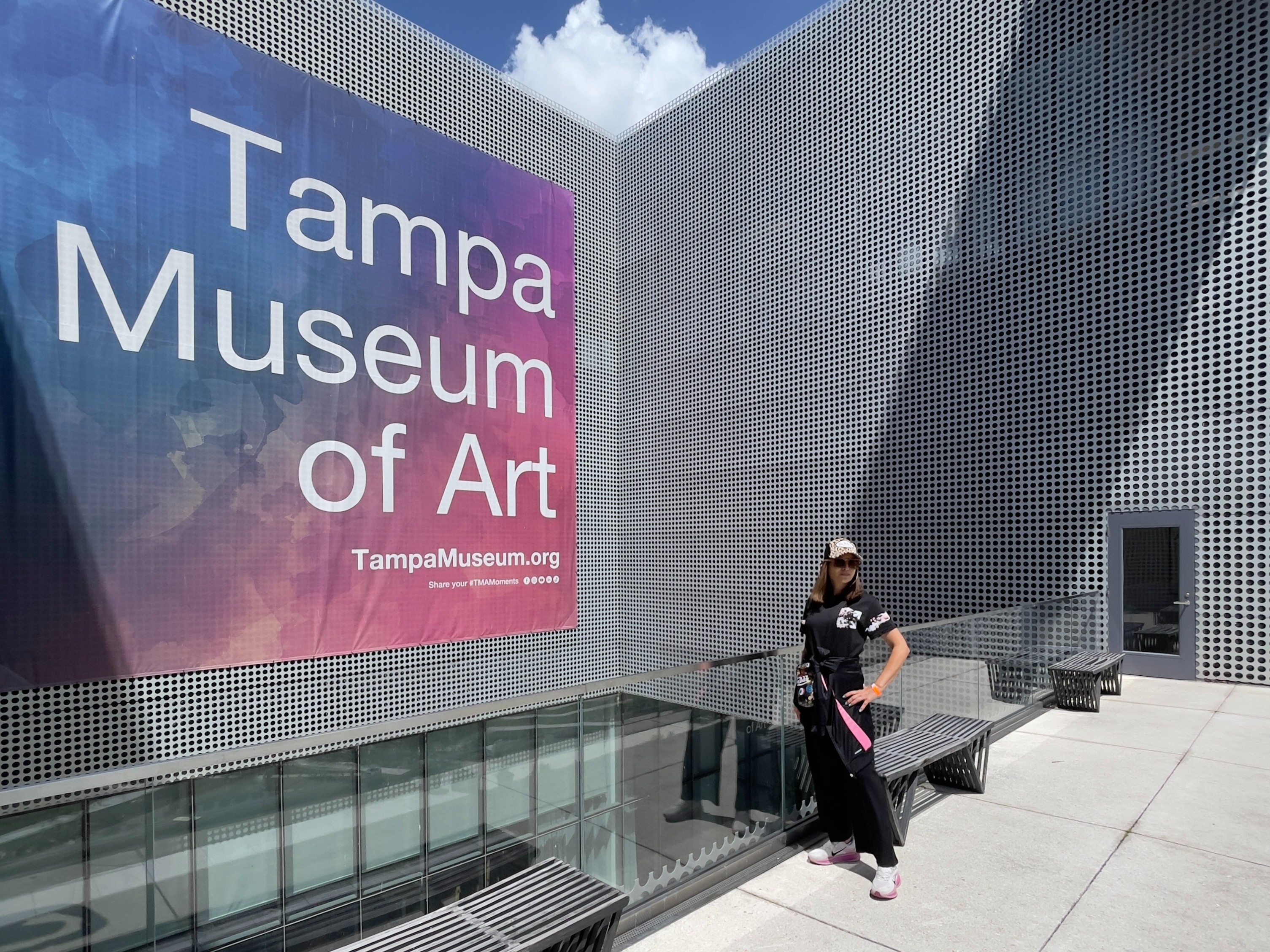
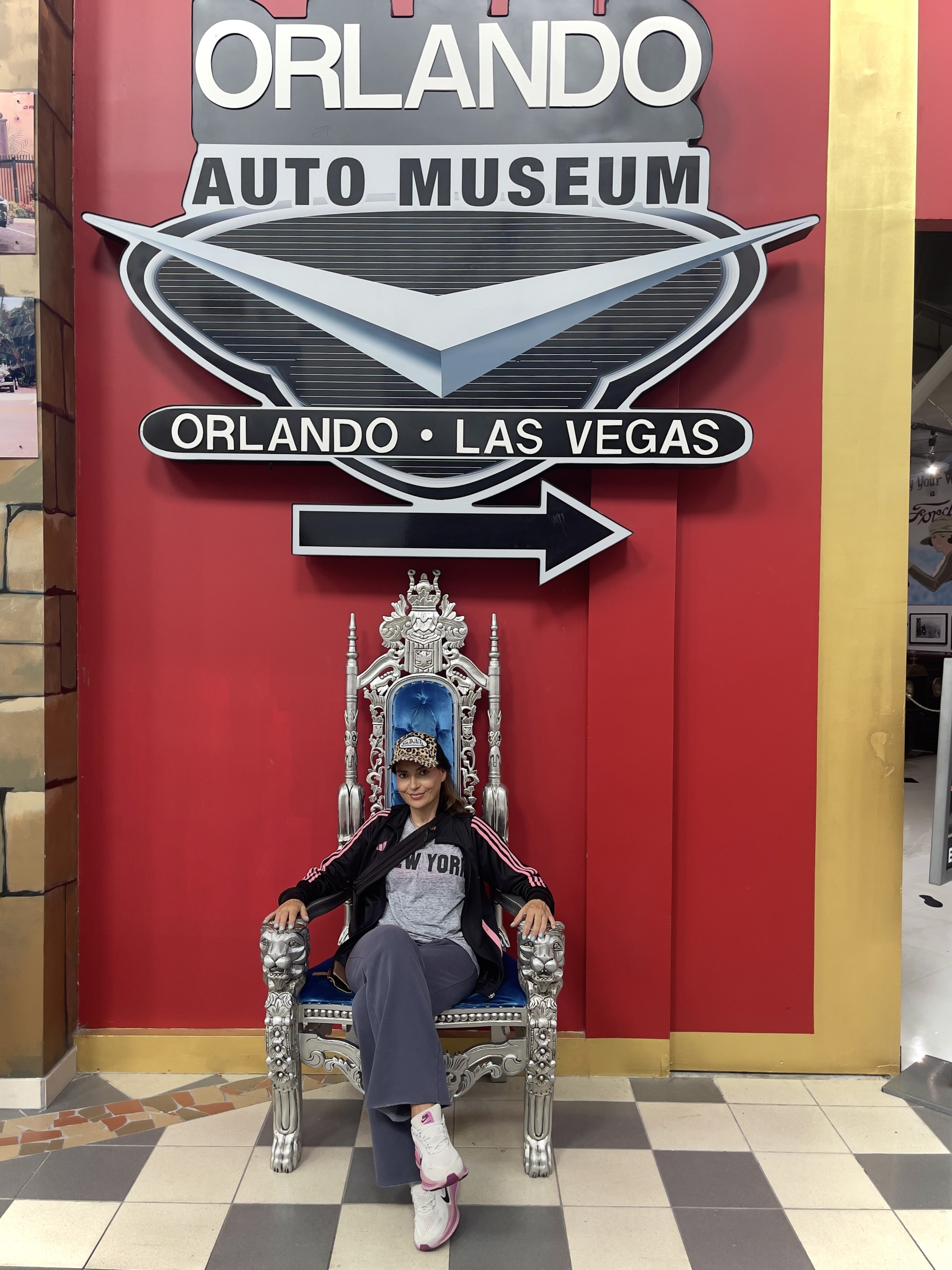
The Orlando Auto Museum lives inside Dezerland Park, a vast indoor playground of go-karts, bowling and pinball. It holds the collection of the long-time collector Michael Dezer, which used to live in North Miami, and by the museum’s own count runs to more than 2,000 vehicles in over 20 themed rooms. The first thing they give you, of course, is a throne. I sat. It would have been rude not to.
 图片来源© ULTIMATE International Media
 图片来源© ULTIMATE International Media
The collection has had quite a journey of its own. It opened as the Miami Auto Museum at the Dezer Collection in 2012, began moving to a former shopping mall on International Drive in 2018, and Dezerland Park opened its doors in December 2020. Along the way, according to press reports, it absorbed the cars of a small museum in the English Lake District; more on those later.
Before the stars, a very short history
Cars and cameras grew up together. In 1900 Thomas Edison’s company filmed an “Automobile Parade” through Manhattan, a procession of electric and steam-driven contraptions that looked, to my eye, like bathtubs in a hurry. That same year the British pioneer Cecil Hepworth made “How It Feels to Be Run Over”, a one-minute film in which a car drives straight at the camera, playing on the public’s fear of the new “horseless carriages”. Cinema’s first car was already a villain.
The chase came soon after. “Runaway Match”, made in Britain in 1903, is often cited as the first car chase, and in 1906 “The ‘?’ Motorist” sent a speeding motorist fleeing a policeman into outer space and around Saturn, which seems excessive for a parking fine. Then Mack Sennett’s Keystone Kops turned the chase into slapstick, and the film car never looked back.
Half a century later the car became a star in its own right. In “Goldfinger” (1964) James Bond’s Aston Martin DB5 arrived with machine guns, an oil slick and an ejector seat, and made the gadget car a legend. In “Bullitt” (1968) Steve McQueen’s Ford Mustang and a Dodge Charger tore through San Francisco in what the Library of Congress calls an eleven-minute chase, “arguably the finest in cinema history”. Herbie the Volkswagen Beetle won hearts in “The Love Bug”, three Minis ran rings round Turin in “The Italian Job” (1969), and Burt Reynolds flew a Pontiac Trans Am over a broken bridge in “Smokey and the Bandit” (1977). By the time the DeLorean hit 88 miles an hour in 1985, every child knew that the right car could be the best actor in the film.
A word before we go in. The museum describes its film cars as a mix of vehicles used on screen and faithful replicas, and the cars, like all true stars, are not telling which is which. I looked at them as a painter looks at a model: for line, colour and attitude. On attitude, nobody in Hollywood comes close.
The villains
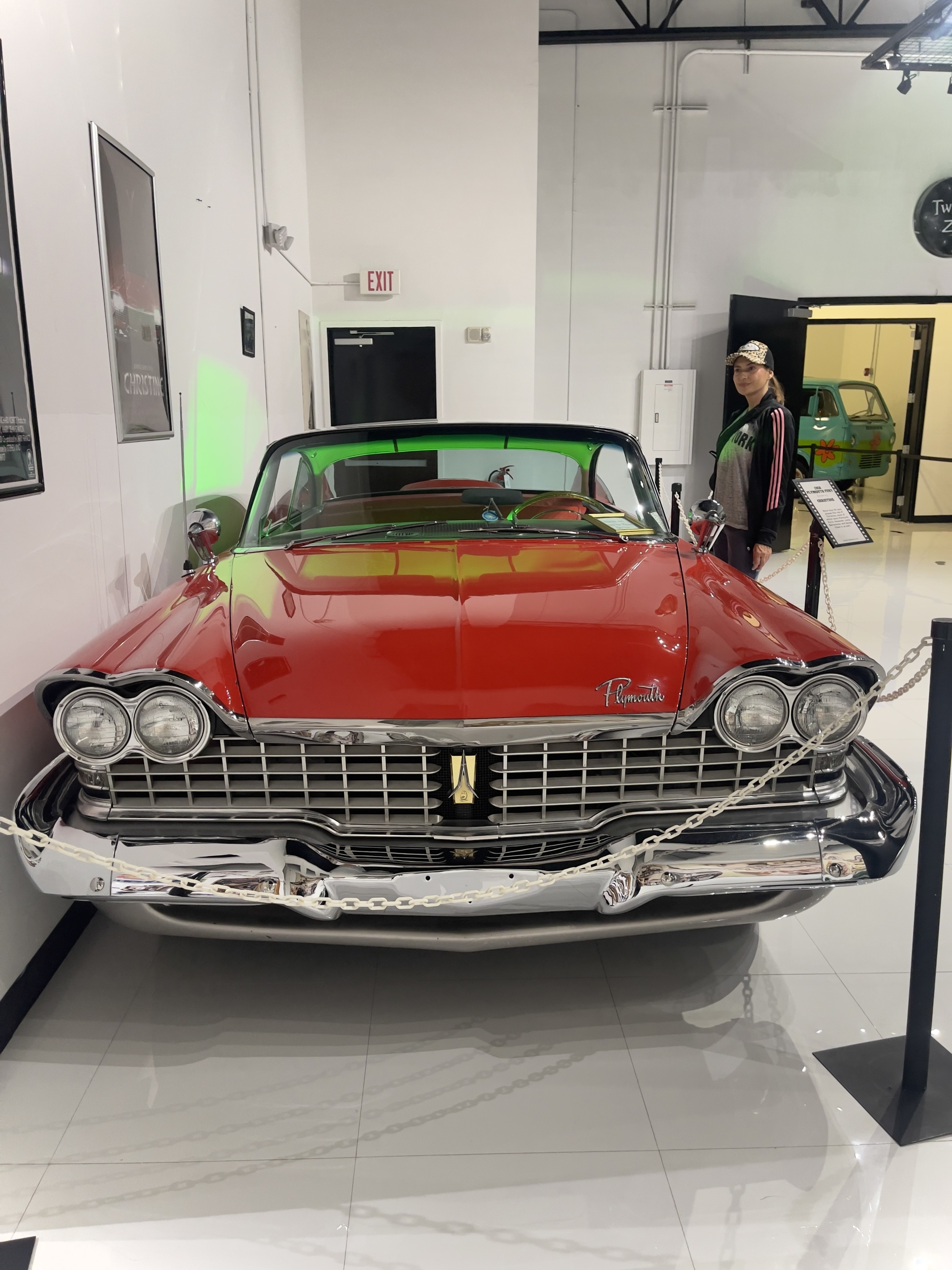
Christine first, because she would never forgive me otherwise. She is a 1958 Plymouth Fury, the car with a jealous heart in John Carpenter’s 1983 film of Stephen King’s novel, and she is painted the red of fresh nail varnish and bad intentions. The joke is on all of us: real 1958 Furys came only in a pale sandstone white. The red is pure Hollywood. Carpenter bought 24 cars to make 17 for filming, which tells you how many times she had to be killed.
 图片来源© ULTIMATE International Media
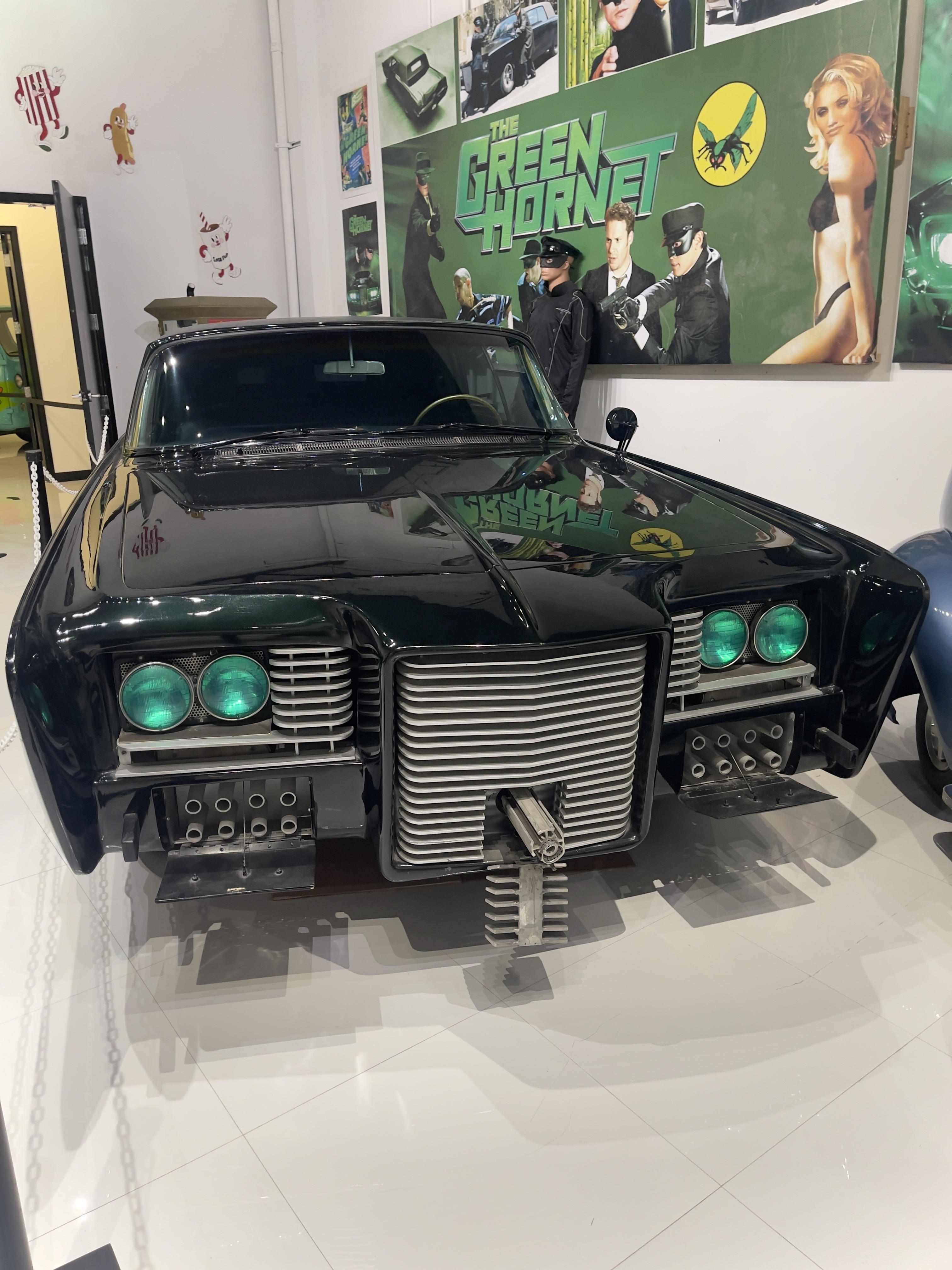
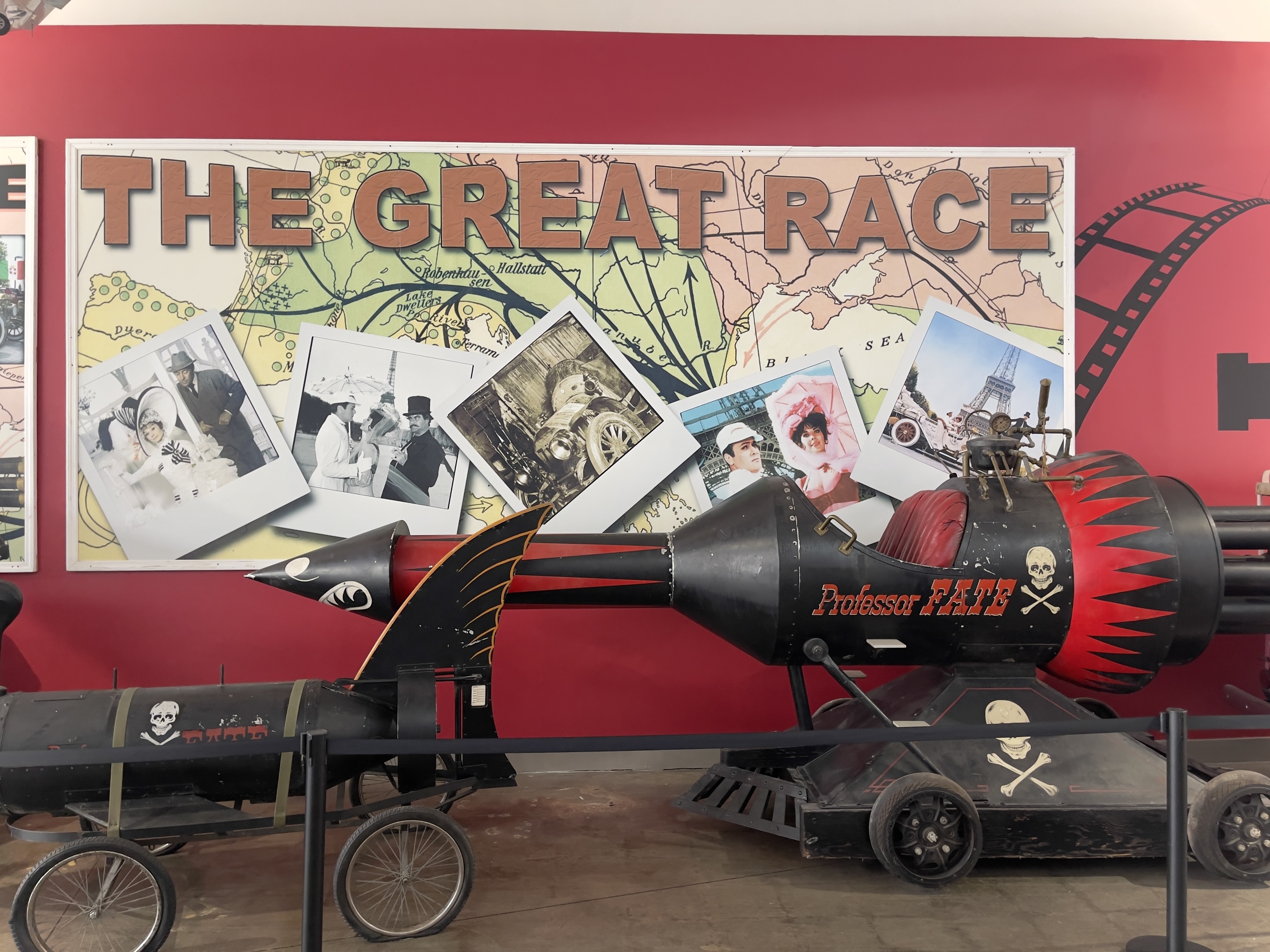
Then the gadget men. The Black Beauty, a 1966 Imperial customised by Dean Jeffries for “The Green Hornet”, with Bruce Lee riding along as Kato, hid rockets under its headlights, knockout gas in its grille and a flying “scanner” in the boot. Professor Fate’s Hannibal Twin-8 from “The Great Race” (1965), driven by a gleefully wicked Jack Lemmon, wears its sabotage on the outside: black, bristling, with a skull and crossbones in case you missed the point.
 图片来源© ULTIMATE International Media
 图片来源© ULTIMATE International Media
And for the darkest humour in the building, a long black hearse stands under a “Terminator 3” poster. In that film the coffin carried not a body but an arsenal. I found that oddly comforting.
The heroes on the run
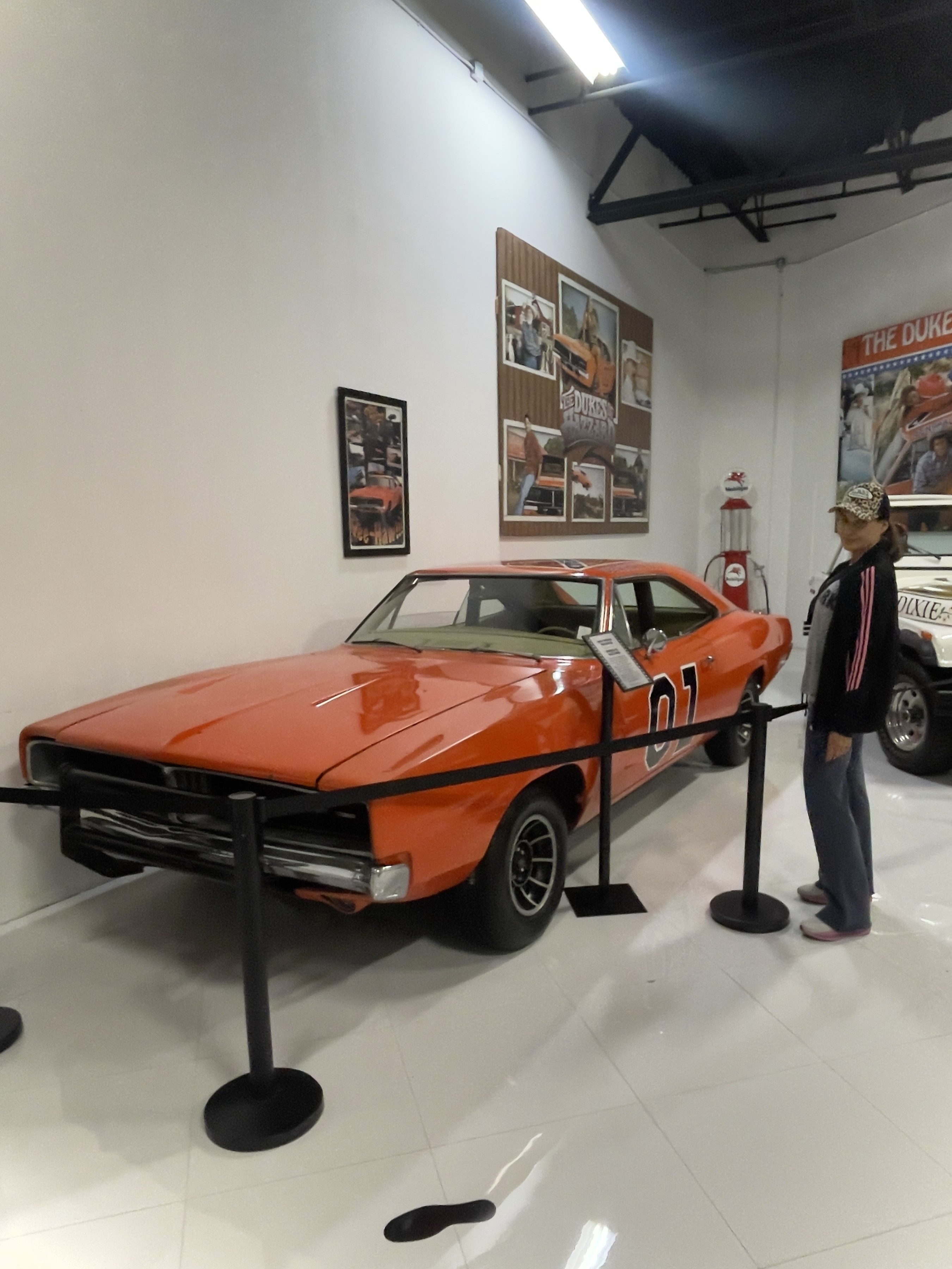
Every good chase needs a getaway car, and this museum has a whole fleet. The General Lee, the orange Dodge Charger of “The Dukes of Hazzard”, has its doors welded shut, so the Duke boys climbed in through the windows; by most counts somewhere between 255 and 325 Chargers were used up in the making of the show. Standing beside it I felt very law-abiding.
 图片来源© ULTIMATE International Media
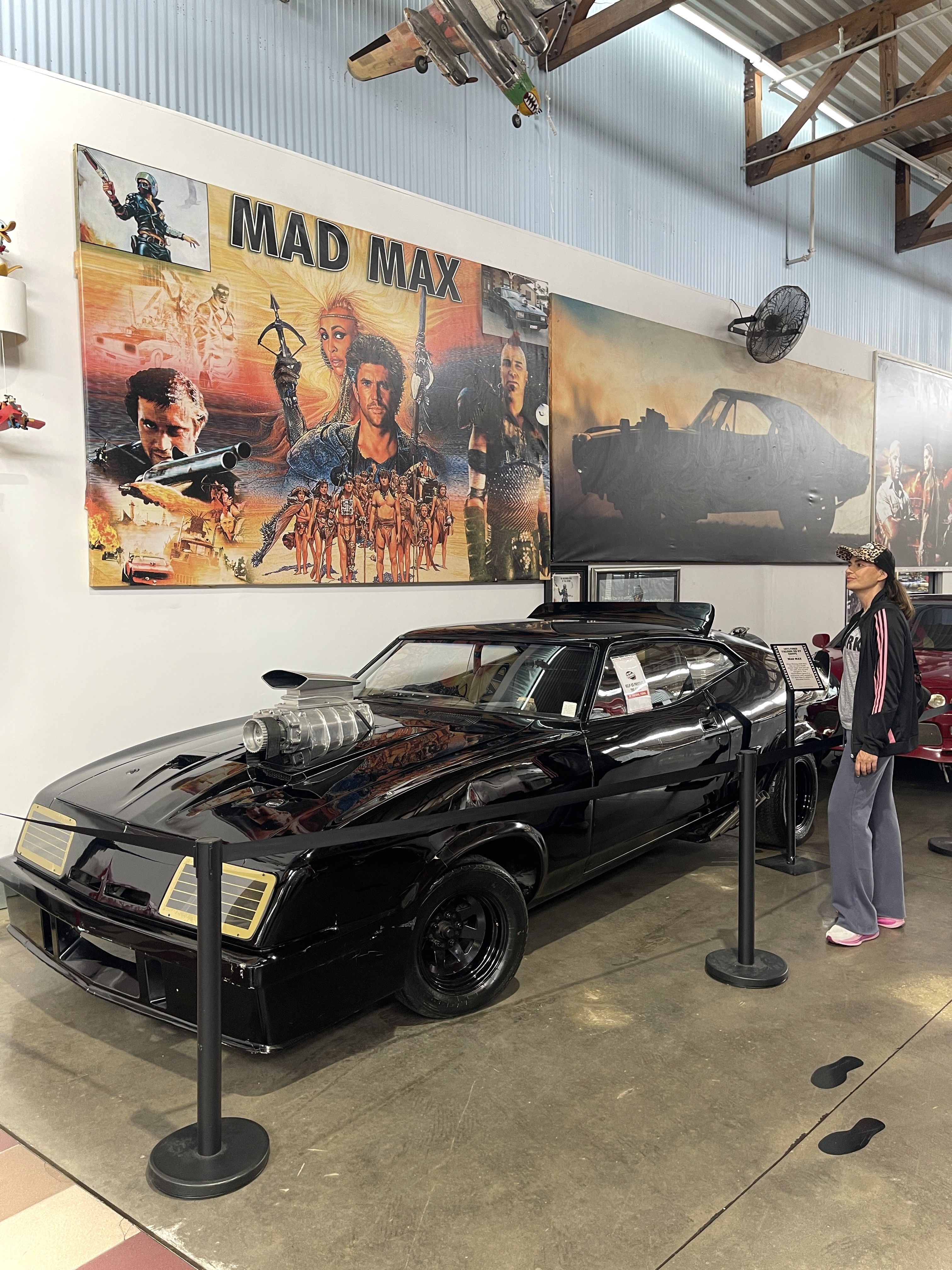
Across the hall, Max Rockatansky’s black Pursuit Special from “Mad Max” (1979) crouches like a panther with a grudge. It began life as a 1973 Ford Falcon, and the famous supercharger bursting through the bonnet was, in the first film, a dummy. Pure theatre, then, like all the best costumes.
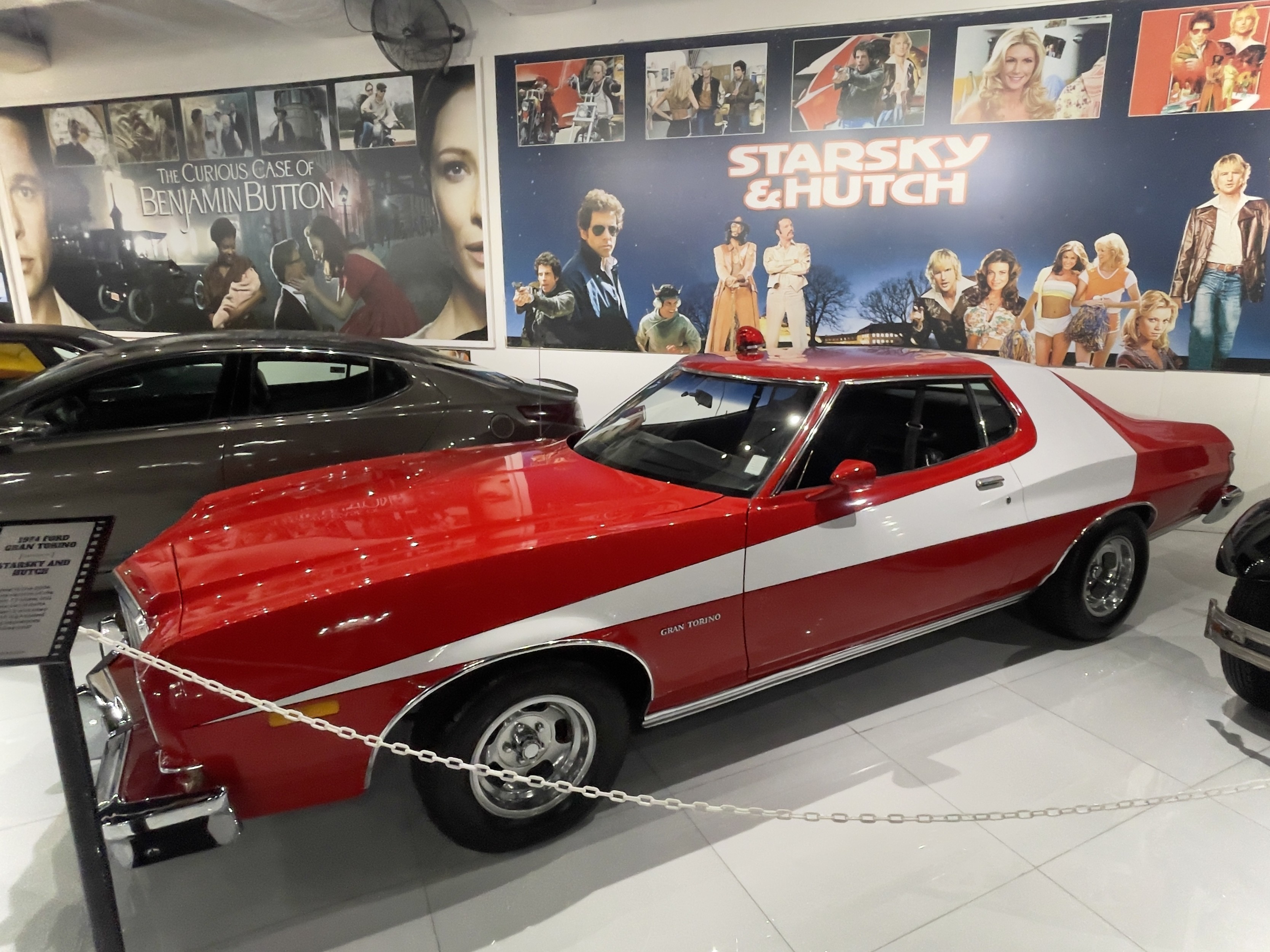
Starsky and Hutch’s red Gran Torino, with its swooping white stripe, still looks thrilled with itself. Paul Michael Glaser, who played Starsky, reportedly hated it and called it a “striped tomato”; the writers loved the line so much they put it in the show. As a colourist I side with the tomato.
 图片来源© ULTIMATE International Media
 图片来源© ULTIMATE International Media
The British are coming
Here is a secret I did not expect: half of this American museum is wonderfully British. Many of its television cars came from Cars of the Stars, a museum in Keswick in the English Lake District that sold nearly all its vehicles to Michael Dezer when it closed in 2011. So on a Florida afternoon I found myself among the cars of my favourite British comedies.
 图片来源© ULTIMATE International Media
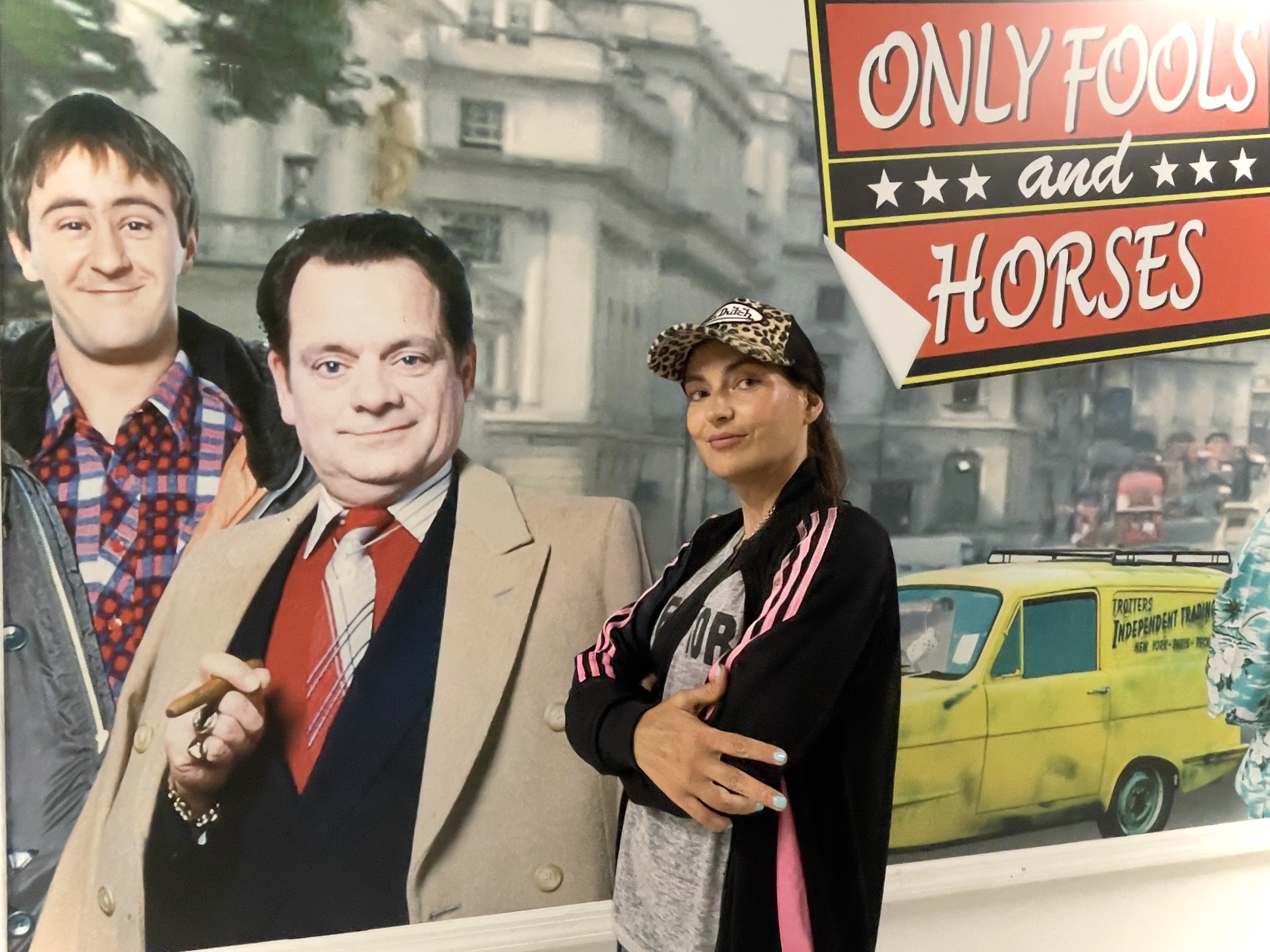
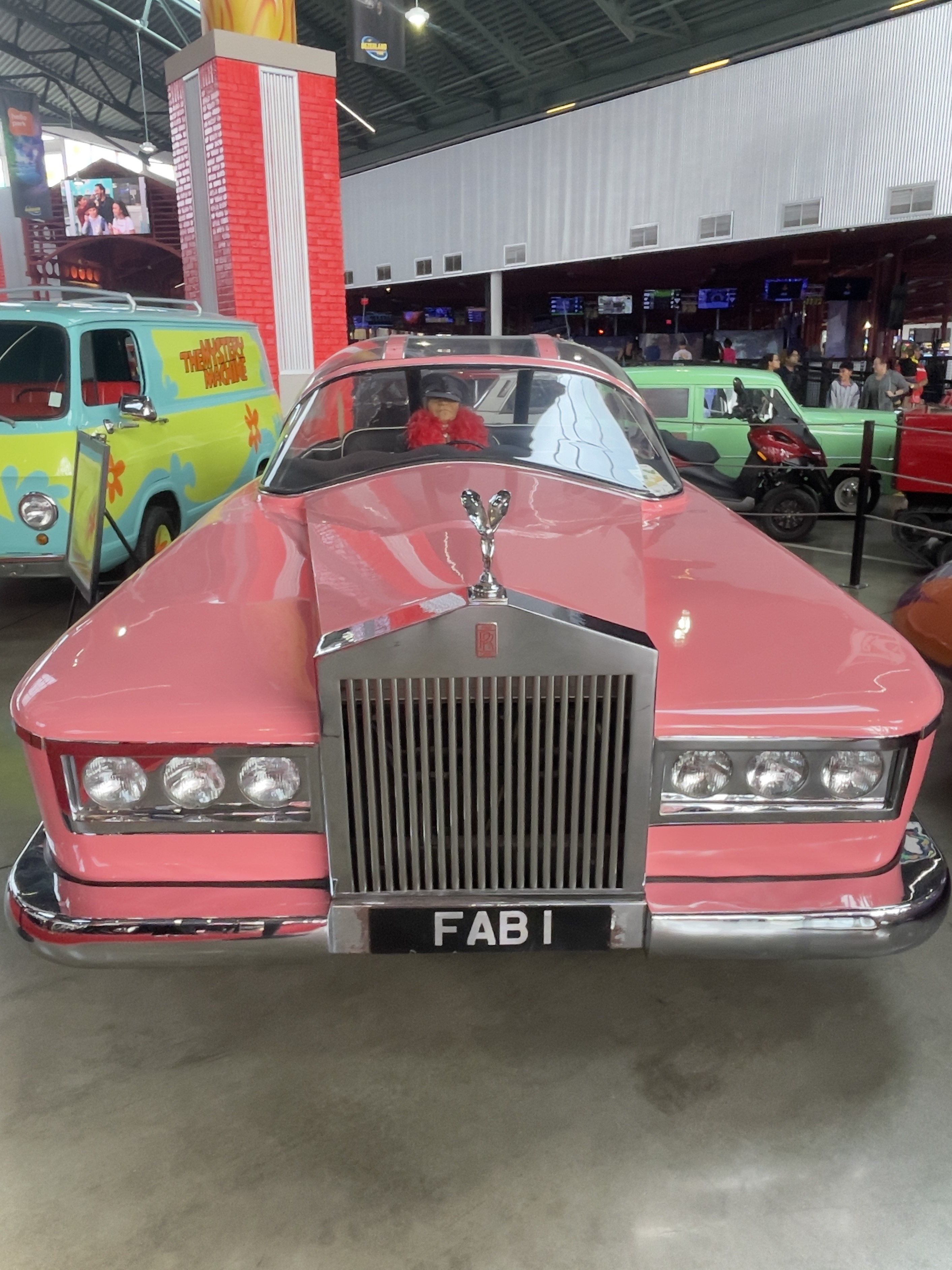
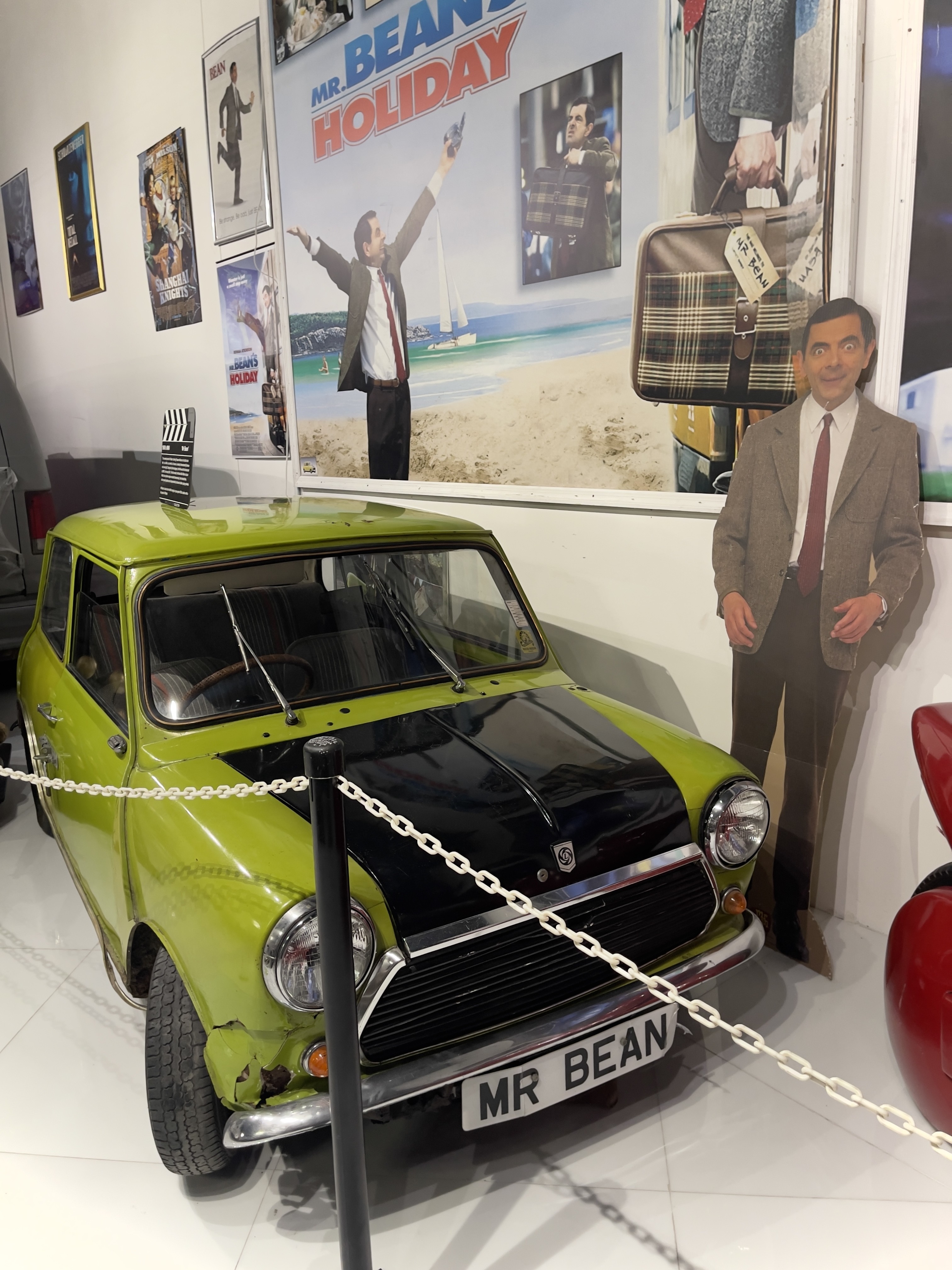
There is Lady Penelope’s pink, six-wheeled Rolls-Royce, FAB 1, from “Thunderbirds”, a full-size version built in 1968 so the puppets’ creators could arrive in style at a premiere. There is Mr Bean’s citron-green Mini with its matte black bonnet, the car he locked with a padlock and once drove from an armchair strapped to the roof. And there is the yellow three-wheeled Reliant van of “Only Fools and Horses”, “Trotters Independent Trading” on its side, which looks as if it is held together by optimism alone.
 图片来源© ULTIMATE International Media
 图片来源© ULTIMATE International Media
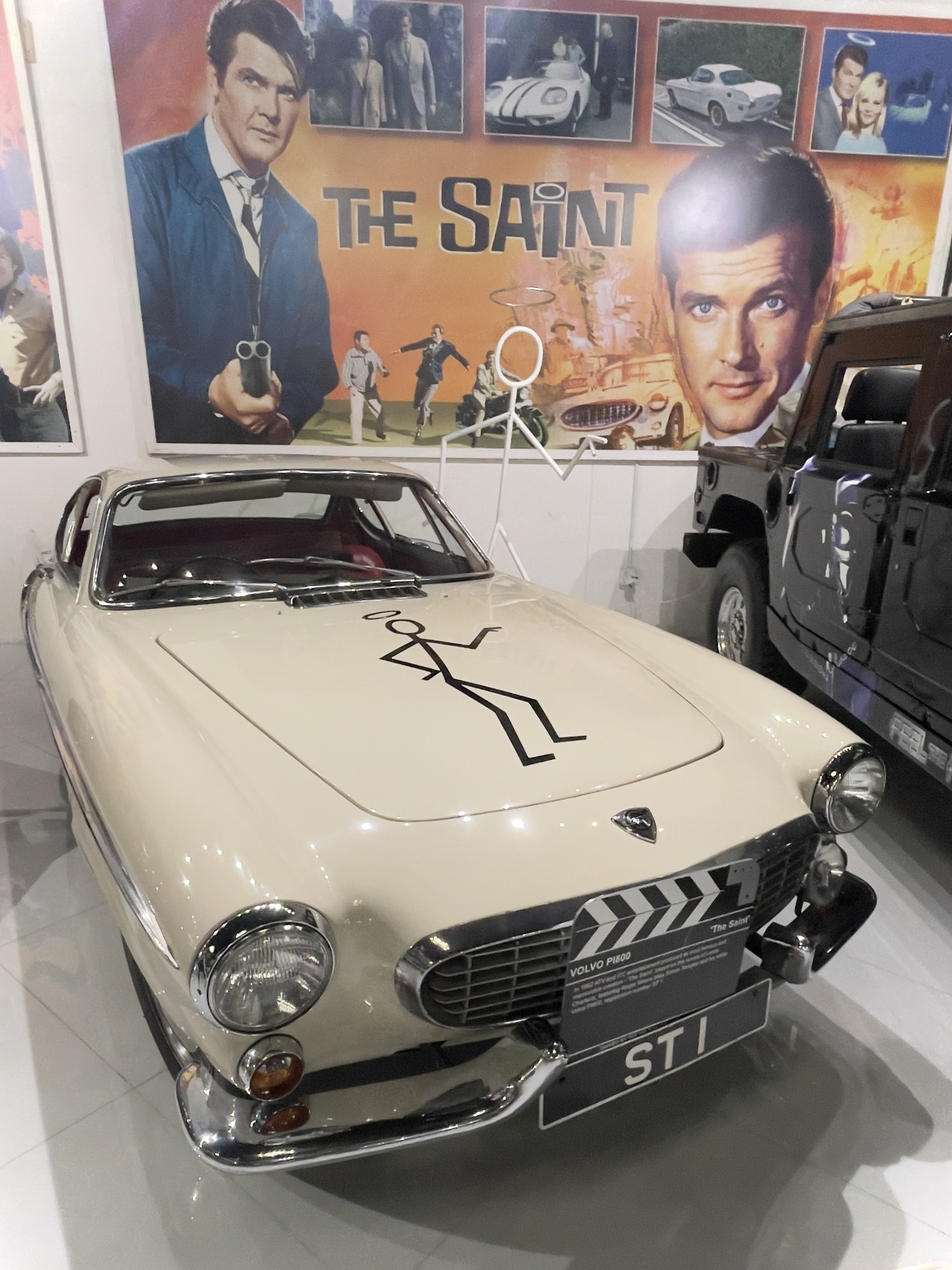
Del Boy and Rodney were there too, at least in paint, so of course I joined them. And in a quieter corner, Simon Templar’s white Volvo P1800 from “The Saint”, number plate ST 1, still wears the little stick-figure halo on its bonnet. Jaguar, they say, turned the part down. Jaguar must still be kicking itself.
 图片来源© ULTIMATE International Media
The ones that talk, fly and time-travel
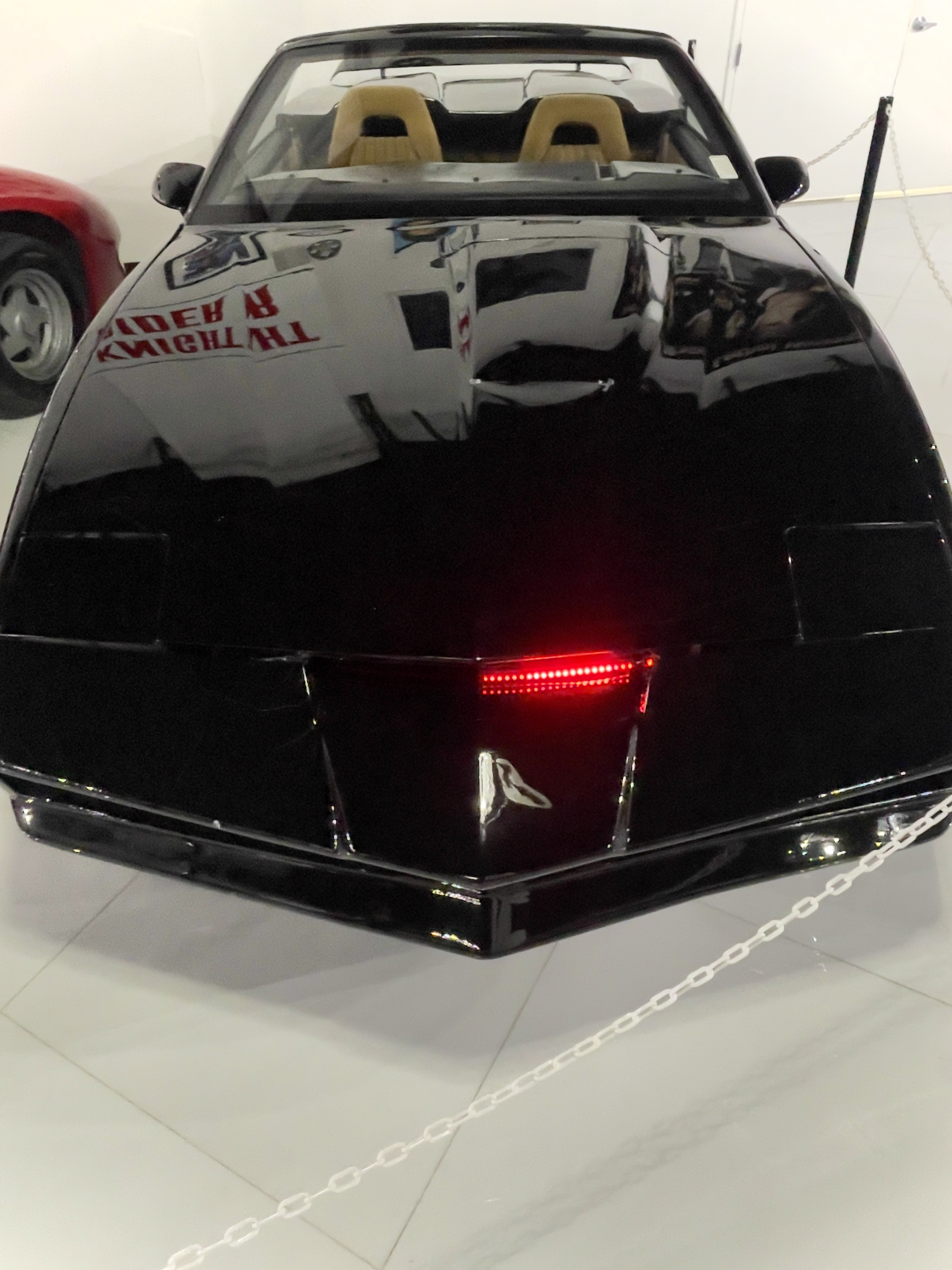
KITT, the black Pontiac Trans Am of “Knight Rider”, still sweeps its red scanner light from side to side. Its creator borrowed the idea from the Cylons of “Battlestar Galactica”, which explains why KITT always looked as if it was thinking something it was too polite to say.
 图片来源© ULTIMATE International Media
 图片来源© ULTIMATE International Media
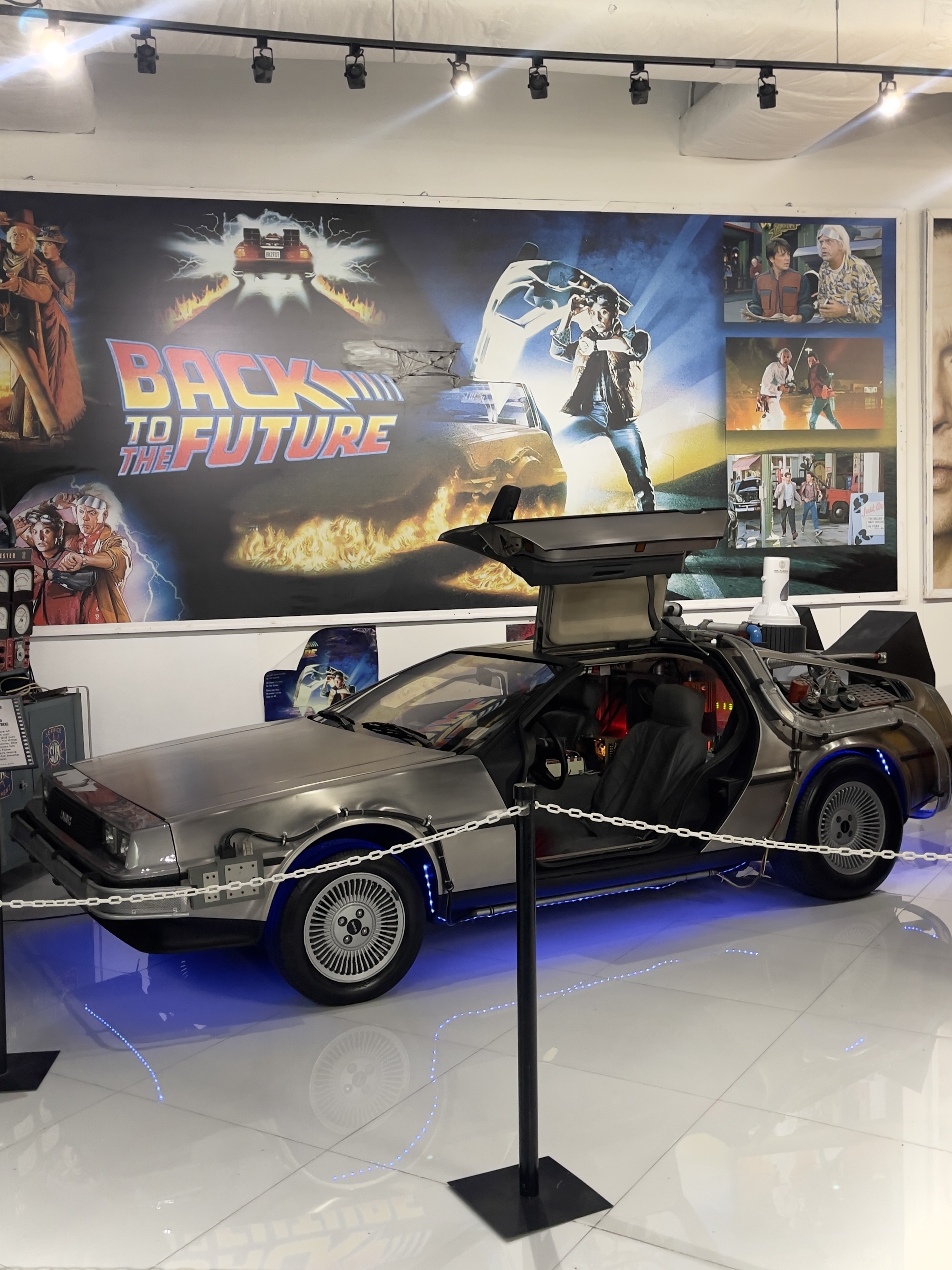
The DeLorean from “Back to the Future” stands with its gull-wing doors raised like a dragonfly about to leave. You need 88 miles an hour and 1.21 gigawatts to make it go anywhere; I had neither, so I stayed in 2026.
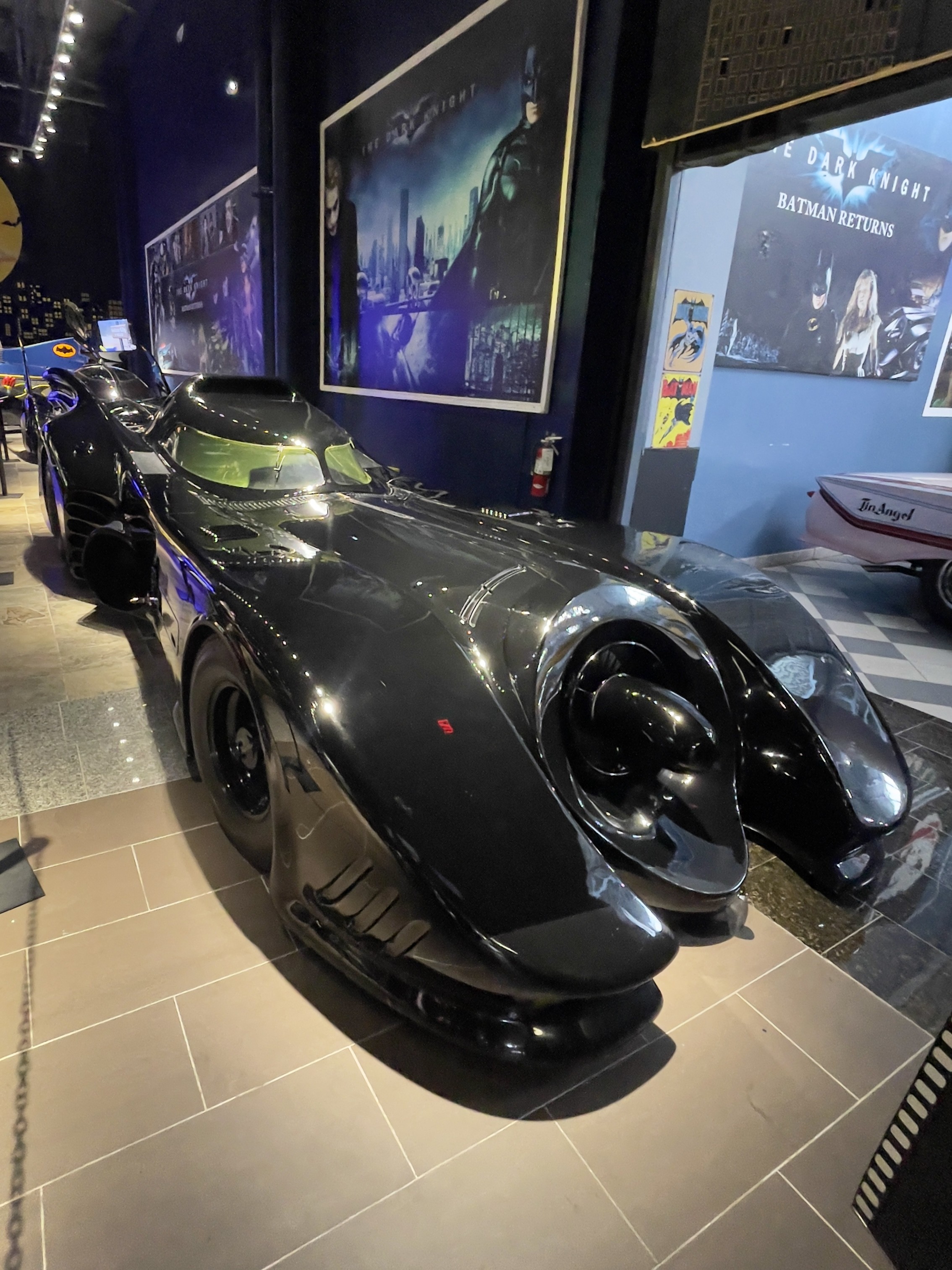
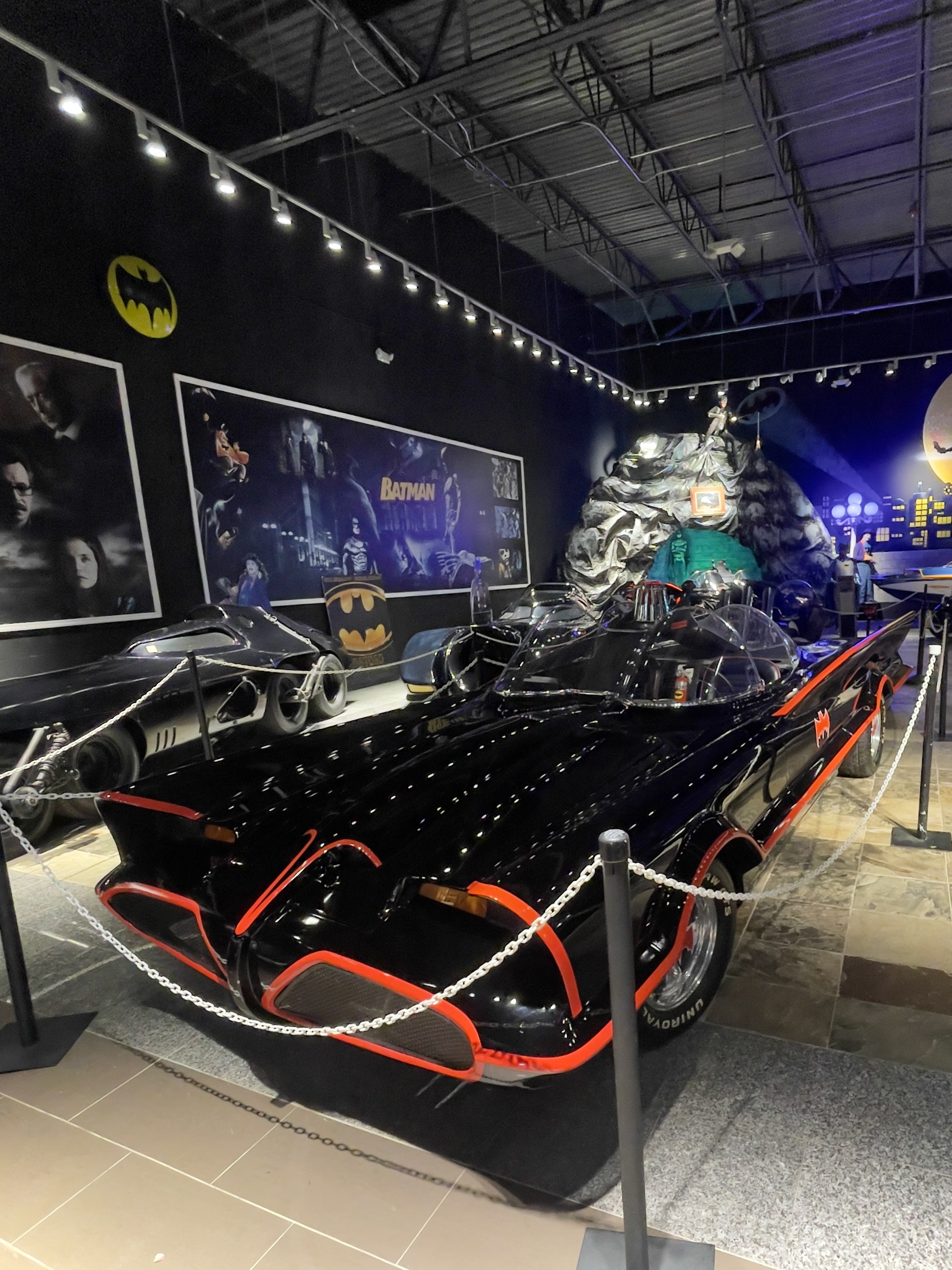
Then the Batcave, darkened, theatrical and entirely worth it. Here is the long, sculptural Batmobile of Tim Burton’s “Batman” (1989), black as a grand piano, all jet-engine nose and fins. And here is the 1966 Batmobile of the television series, which George Barris built from a Lincoln concept car, outlined in red like a cocktail dress. One is gothic opera; the other is pure pop art. I would happily drive either to the opera.
 图片来源© ULTIMATE International Media
Songs, stars and the longest car in the world
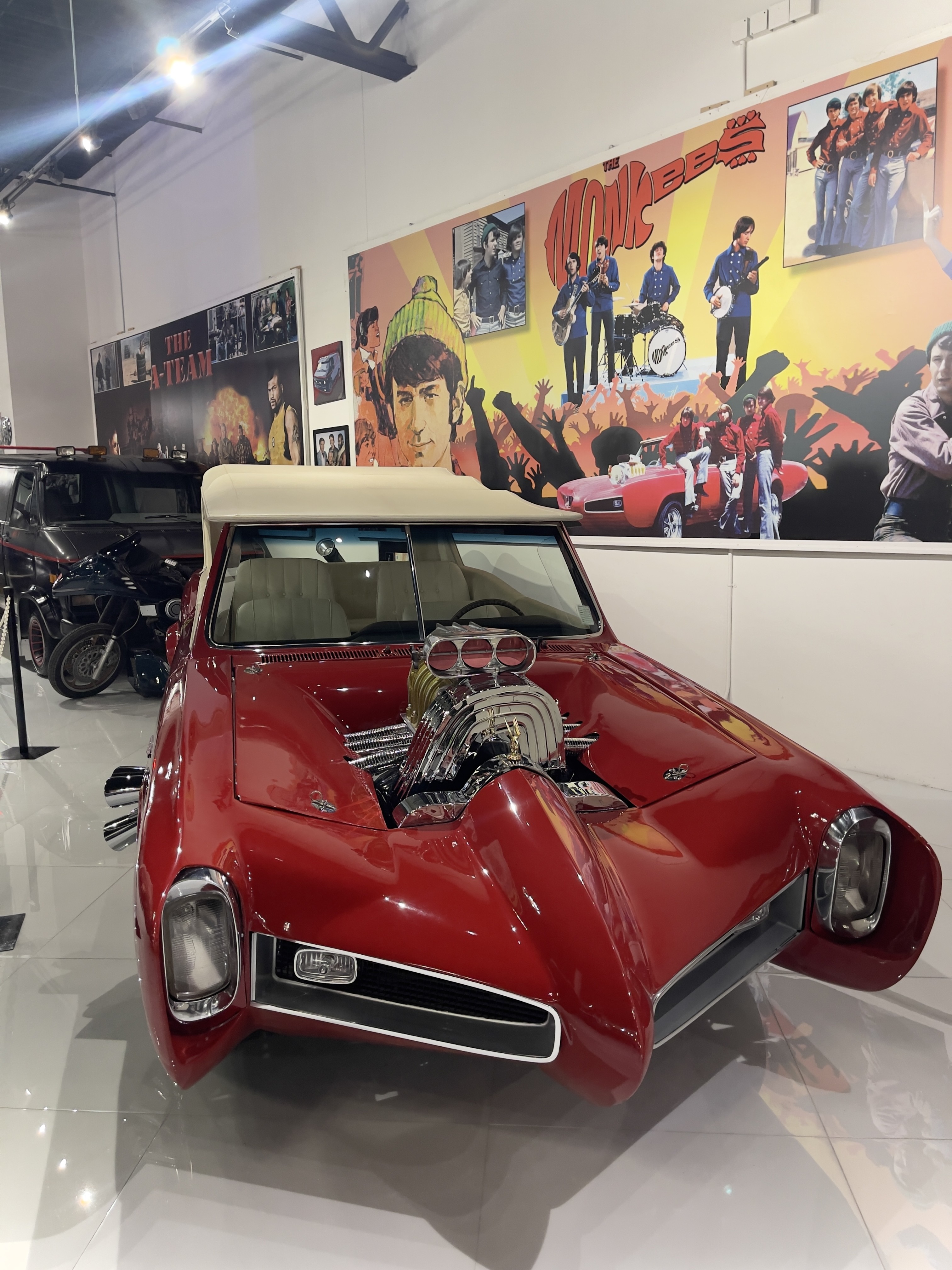
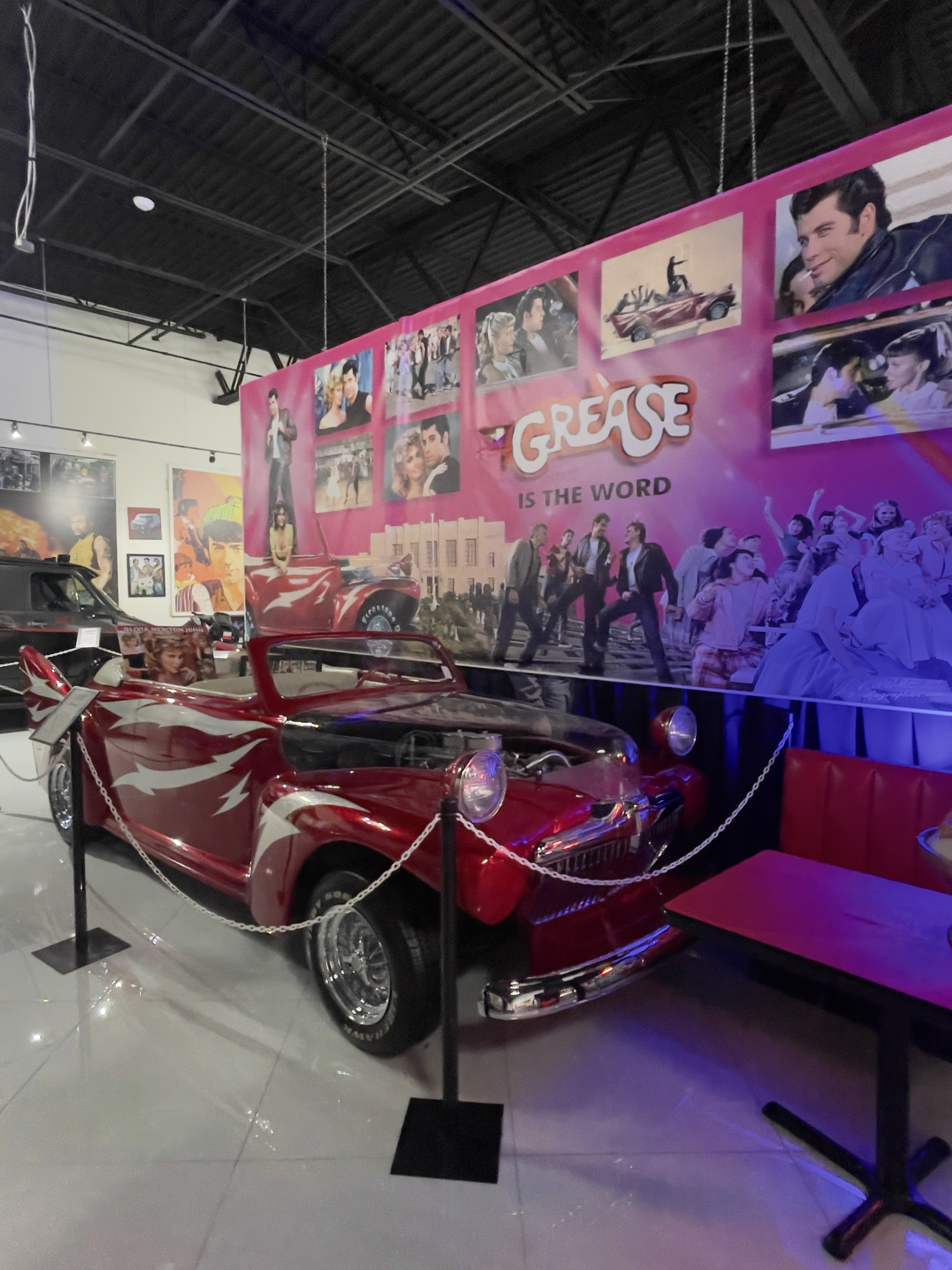
Music has its own garage. The Monkeemobile, a 1966 Pontiac GTO that Dean Jeffries turned into a rolling cartoon in about four weeks, still shines in candy-apple red with “The Monkees” in gold. Nearby sits Greased Lightning from “Grease” (1978); the museum describes it as the original 1948 Ford Deluxe from the film, and it looks ready to go to the dance.
 图片来源© ULTIMATE International Media
 图片来源© ULTIMATE International Media
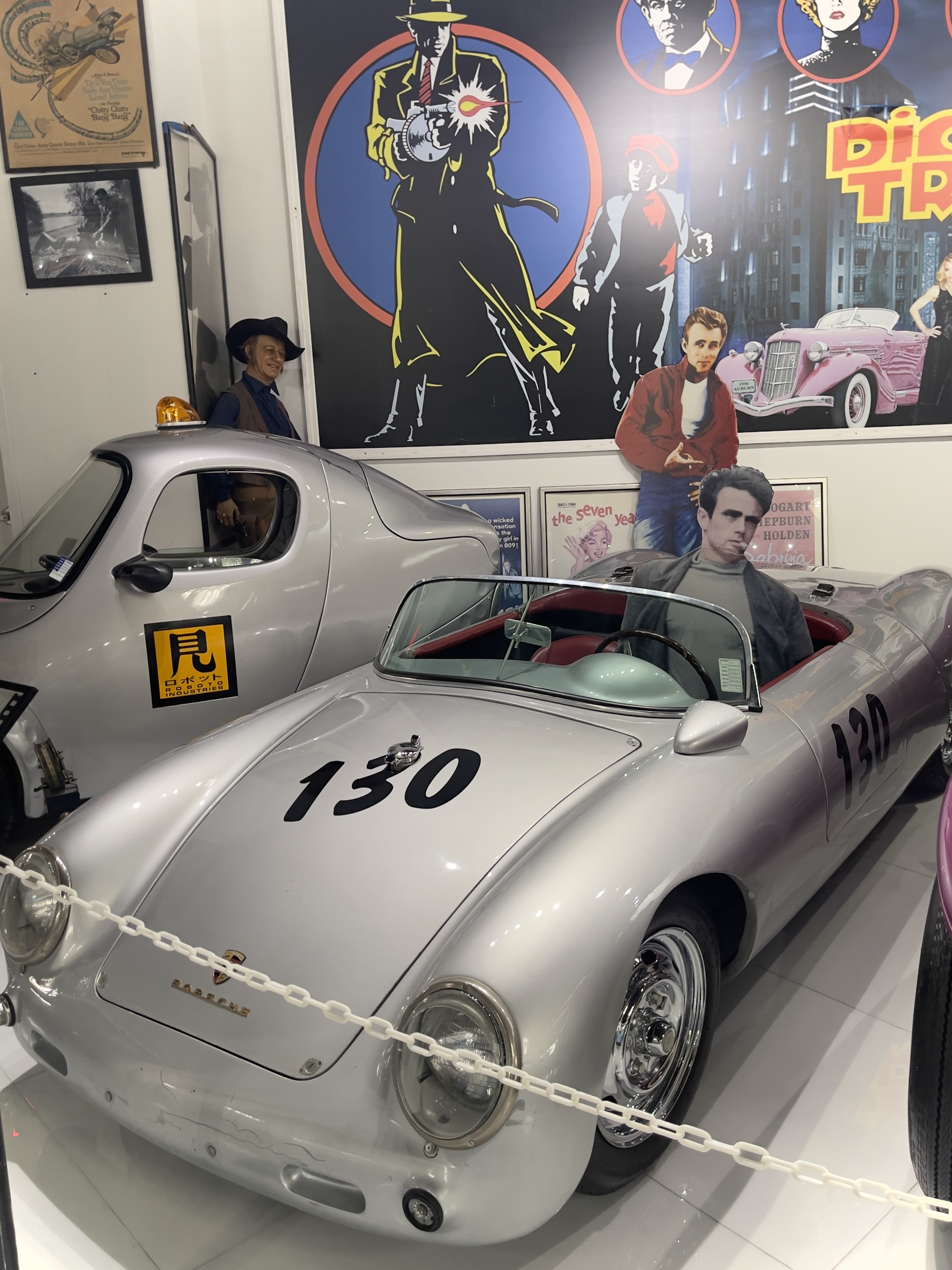
One car made me stop smiling, for a moment. A silver Porsche 550 Spyder wears the number 130, the racing number of the car James Dean bought on 21 September 1955 and was killed in nine days later. The wreck of the real one disappeared in 1960 and has never been found. A model of Dean sits at the wheel here, forever young, and the room is a little quieter around him.
 图片来源© ULTIMATE International Media
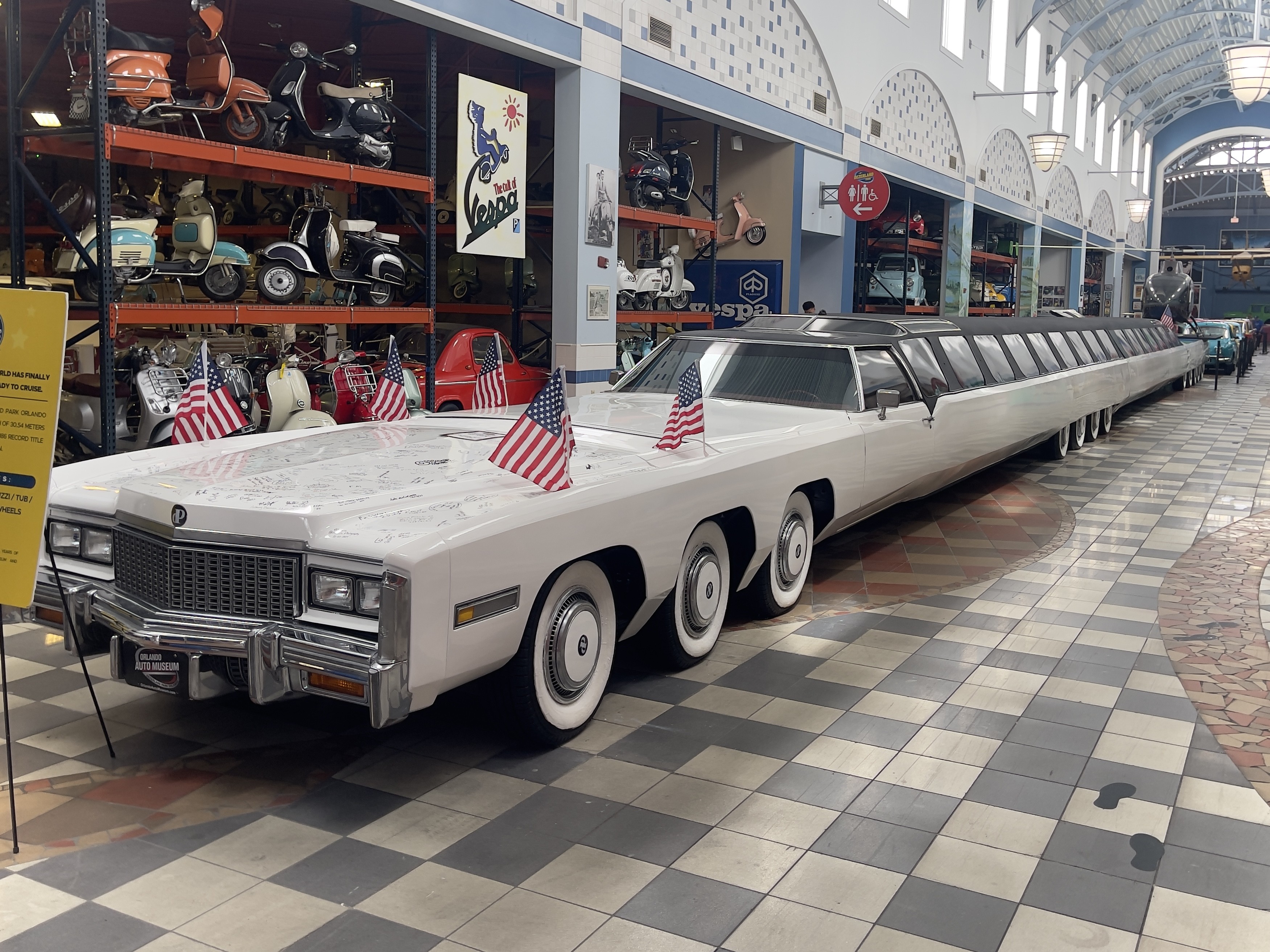
And finally, the car that cannot be photographed in one go. “The American Dream”, a Cadillac limousine first built in 1986 and restored here in Orlando, was certified by Guinness World Records in 2022 as the world’s longest car, at 100 feet and one and a half inches. It has 26 wheels, a putting green, a swimming pool and a helipad. It does not, as far as I could see, have a parking space.
 图片来源© ULTIMATE International Media
 图片来源© ULTIMATE International Media
Why a painter loves a car museum
You may wonder what an artist is doing among the exhaust pipes. But every one of these cars was designed to be looked at: the line of a wing, the glint of chrome, the precise red that tells you a car is trouble before it has moved an inch. Like a good portrait, a great film car has a character you can read at a glance. These ones have simply been better paid than most of my sitters.
Even the counterfeits have charm. The black Ferrari of “Miami Vice” was, in the show’s first seasons, a replica built on a Corvette; Ferrari replaced it with real Testarossas from season three. And a gold Cadillac with a blonde bombshell rising from its bonnet proves that subtlety was never the point.
My advice: the museum is open every day, but its hours change, so check the website before you go. Give yourself at least two hours, wear comfortable shoes, and do sit on the throne. Every film star deserves an audience, and these ones have waited a very long time for yours.
Further reading
Jelena Bibić’s work: jelenabibic.com ↗