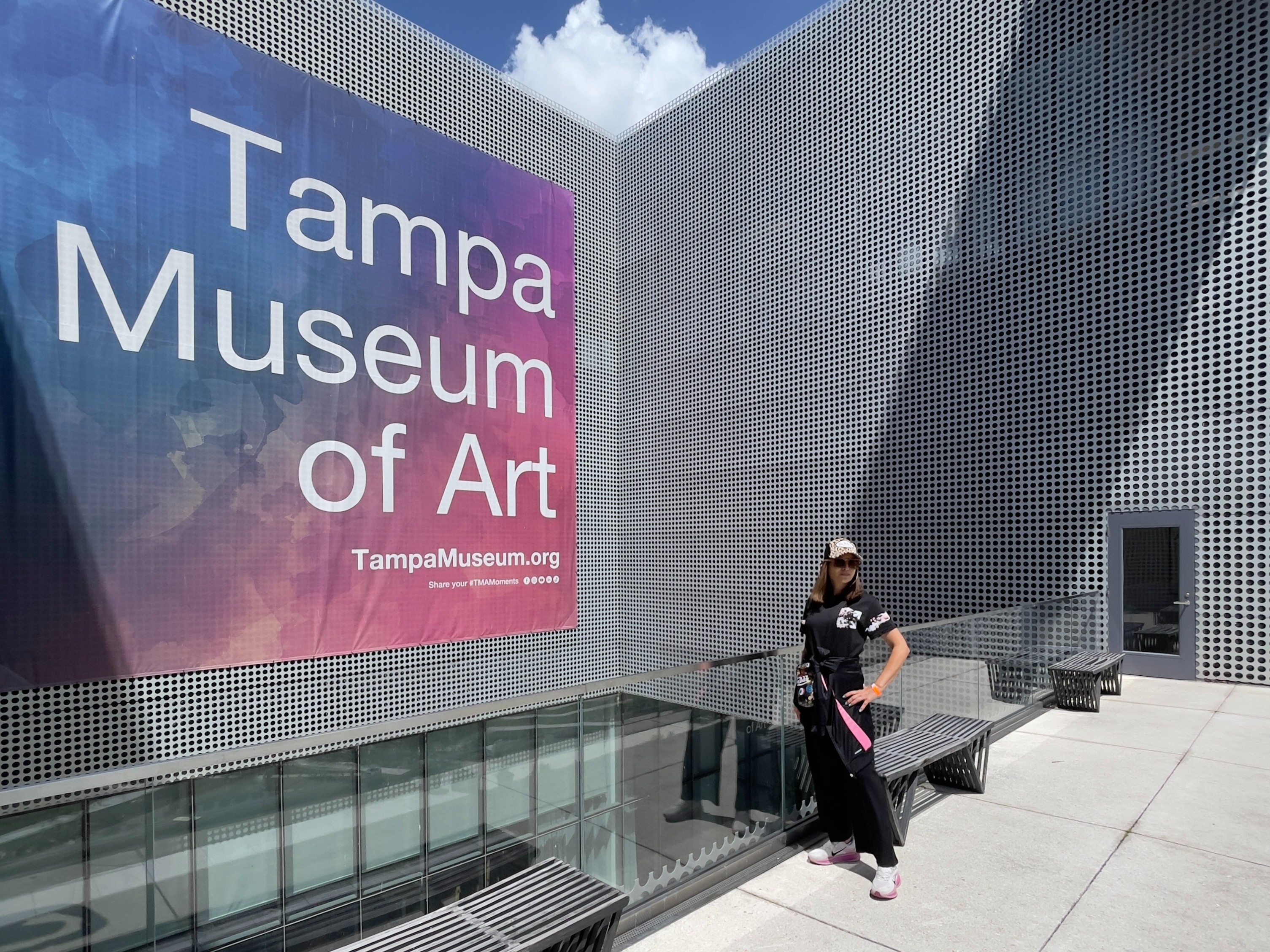
Some museums whisper. The Tampa Museum of Art glitters. It sits on the Hillsborough River in Curtis Hixon Waterfront Park, a long silver box pierced with countless small round holes, and on a bright Florida day the whole building seems to breathe light. I walked up from the river with the sun on my back and felt, before I had seen a single painting, that I had stepped inside one.
A building made of light
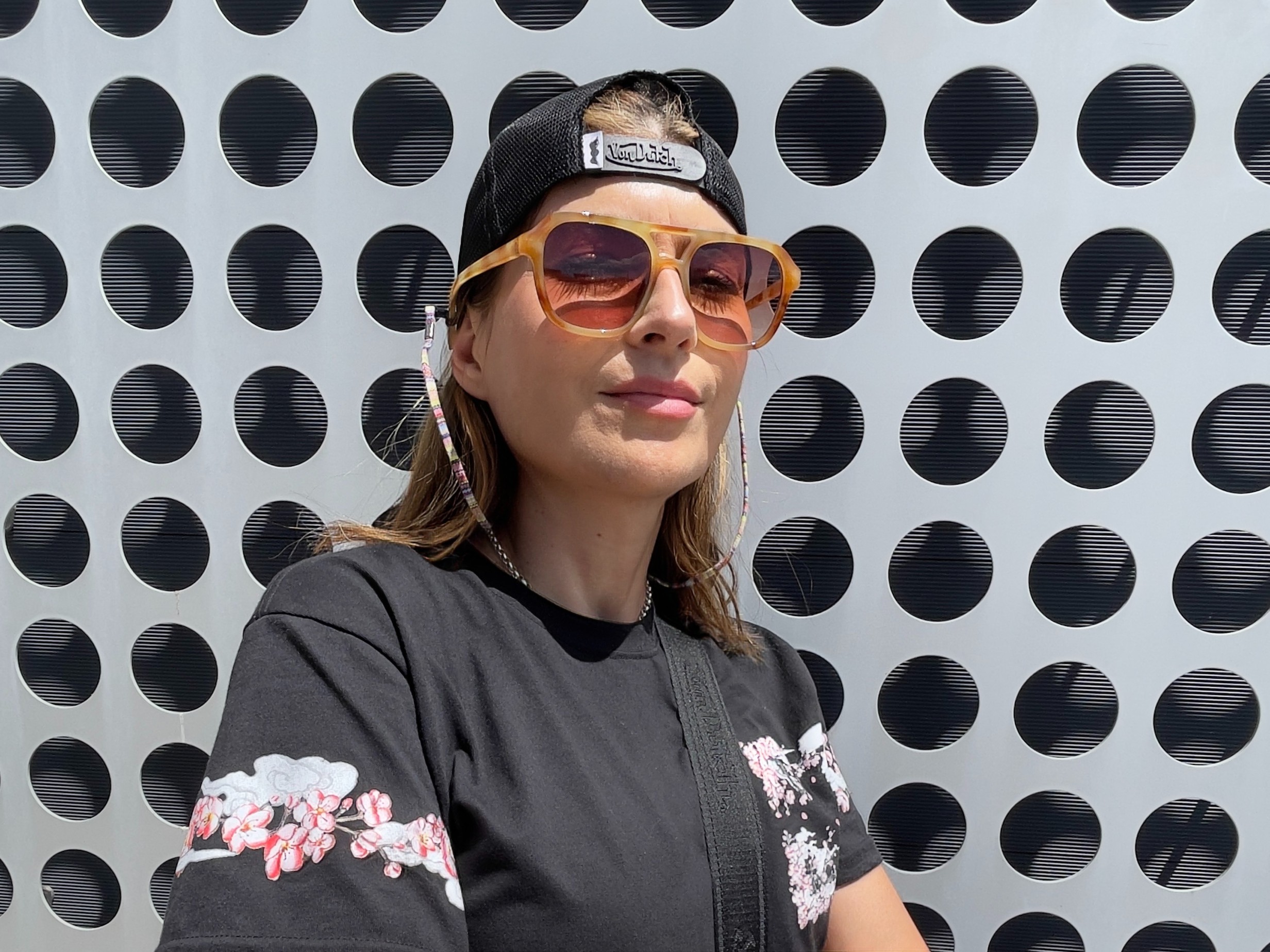
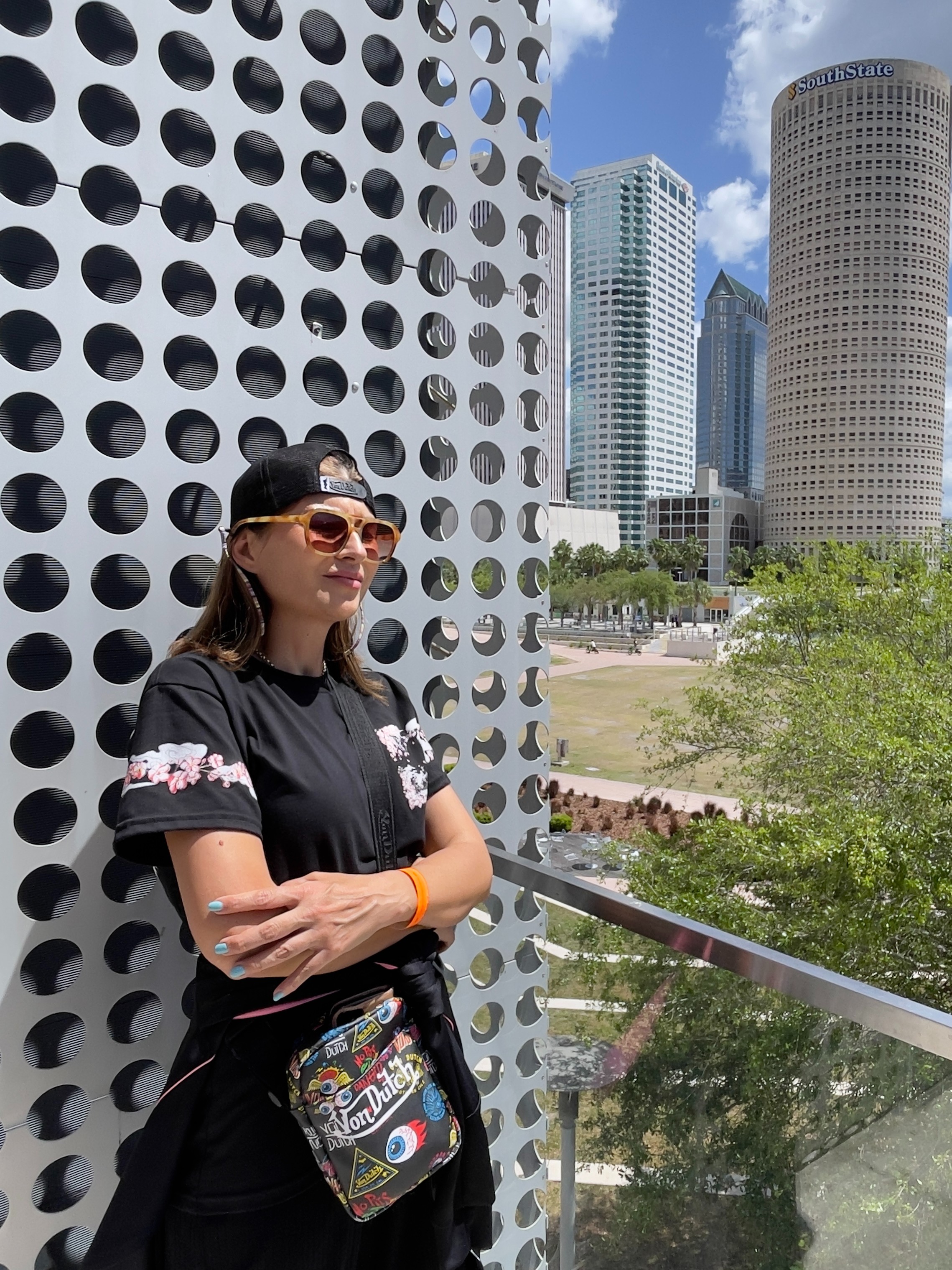
The architect Stanley Saitowitz gave the museum its skin: perforated aluminium raised over a base of glass. It opened in February 2010. Up close the walls become a field of perfect dots, black against silver, and I could not resist standing against them. As a painter I think of it as pointillism in metal; as a photographer’s model, I think it is the most flattering backdrop in Florida.
 Автор фото© ULTIMATE International Media
 Автор фото© ULTIMATE International Media
From a terrace the holes frame downtown Tampa like a viewfinder: glass towers, green park, the river sliding by. And when the sun goes down the building changes its whole character. Between the two layers of aluminium lives “Sky (Tampa)”, a light work by Leo Villareal in the museum’s own collection, which glows across the façade every evening from dusk. The silver box becomes a lantern.
The museum is older than its walls. It was founded in 1920 as the Tampa Museum of Fine Arts and took its present name in 1985. In 2023 a renovation by the architects WEISS/MANFREDI added seven new galleries and tripled the space for art, and now the museum is preparing its next chapter: “a crystalline pier extending the museum to the edge of the river”, set in motion by a record $28 million lead gift.
A city of cigars, pirates and paint
Tampa’s story is older and stranger than its glass towers suggest. The US Army set up Fort Brooke here in 1824 to guard the harbour, and the town was incorporated in 1849 and again in 1855. Then, in 1884, Henry B. Plant brought the railway, and a few years later he built the Tampa Bay Hotel, a fantasy of silver minarets that opened in 1891. It still stands across the river from the museum as Plant Hall, home to the University of Tampa, with the Henry B. Plant Museum in its south wing.
In 1885 and 1886 Vicente Martínez-Ybor and Ignacio Haya founded Ybor City, and by 1900 Tampa was, in the city’s own words, “the cigar capital of the world”. Spanish, Cuban, Italian, German, Romanian Jewish and Chinese families made it home; today it is a National Historic Landmark District. And since 1904 the city has been “invaded” every year by the pirates of Gasparilla, so Tampa has always known how to dress up.
The art followed. In 1971 the Gasparilla Sidewalk Art Festival began, and today, as the Gasparilla Festival of the Arts, it chooses more than 230 artists from over a thousand applicants for a weekend in the very park where the museum stands. Since 1985 the City of Tampa has set aside a percentage of the cost of its new buildings for public art, which is why sculptures and murals keep appearing along the Riverwalk.
Across the bay, St Petersburg completes the picture: The Dalí Museum, home to some 2,400 works by Salvador Dalí in a building with a great glass “Enigma” bubbling out of its side; the Museum of Fine Arts, the city’s first art museum, opened in 1965; the Chihuly Collection of glass; and the Imagine Museum of American studio glass. For a painter, the whole bay is one long gallery with water in the middle.
Gods in clay
I came from Athens, so I went looking for Greece. The museum holds what it calls one of the most significant collections of Greek and Roman antiquities in the southeastern United States: more than 660 works, from nearly 3000 BC to around AD 500. The heart of it is the Joseph Veach Noble Collection, bought in 1986, with its Athenian black-figure and red-figure vases.
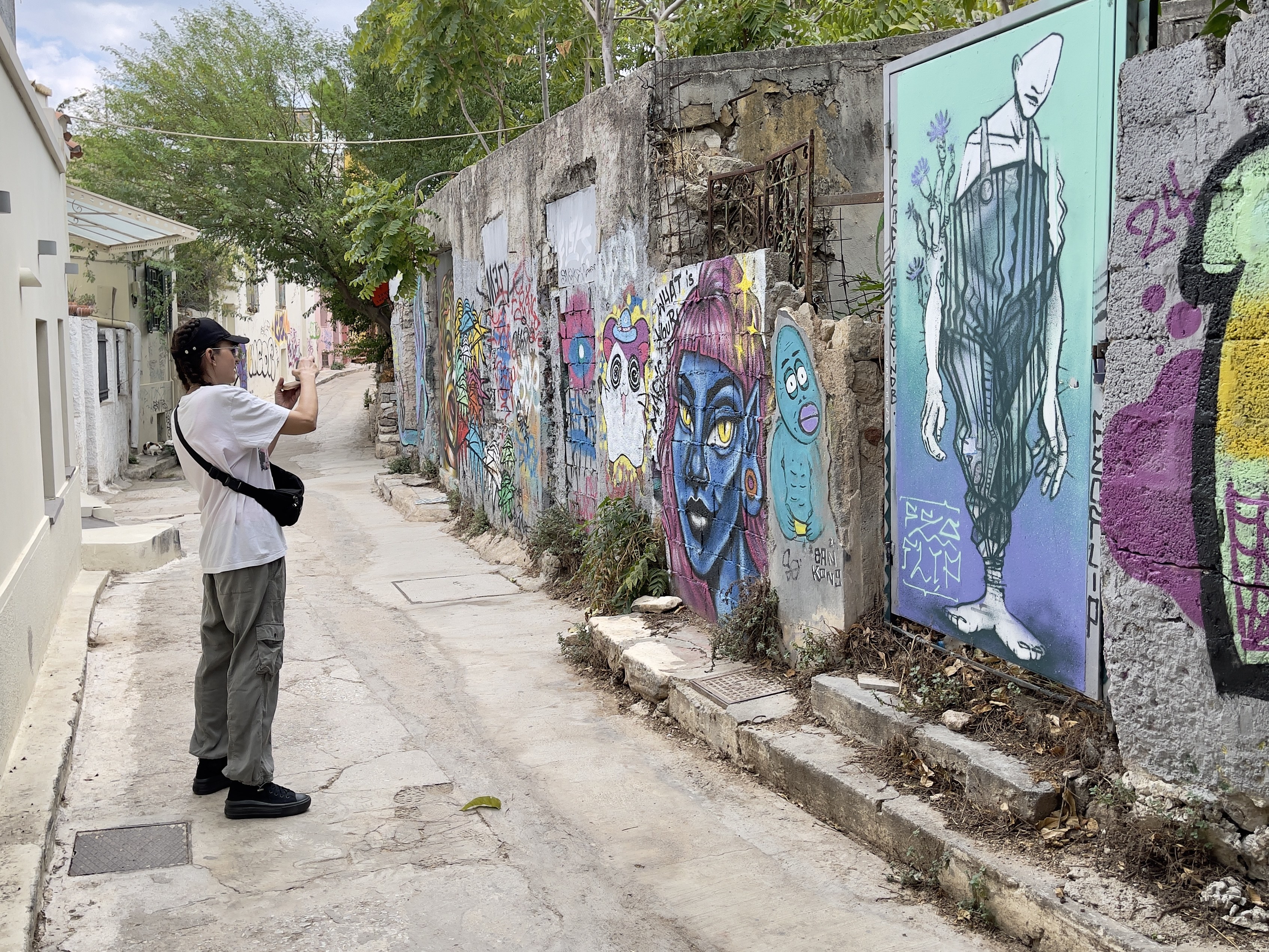
In my Athens street-art walk I wrote that the city never stopped painting its myths; it simply moved them from the vase to the wall. Here, on a river in Florida, are the vases themselves: heroes and horses drawn in black on orange clay, or reserved in warm terracotta against a glossy black ground, with a line so sure it still feels wet. Nearby wait a life-sized torso of Aphrodite, a nearly life-sized Poseidon, two Cycladic figurines as pure as a single breath, a little Geometric bronze horse and an Archaic limestone lion lying at rest.
Colour, scale and a little mischief
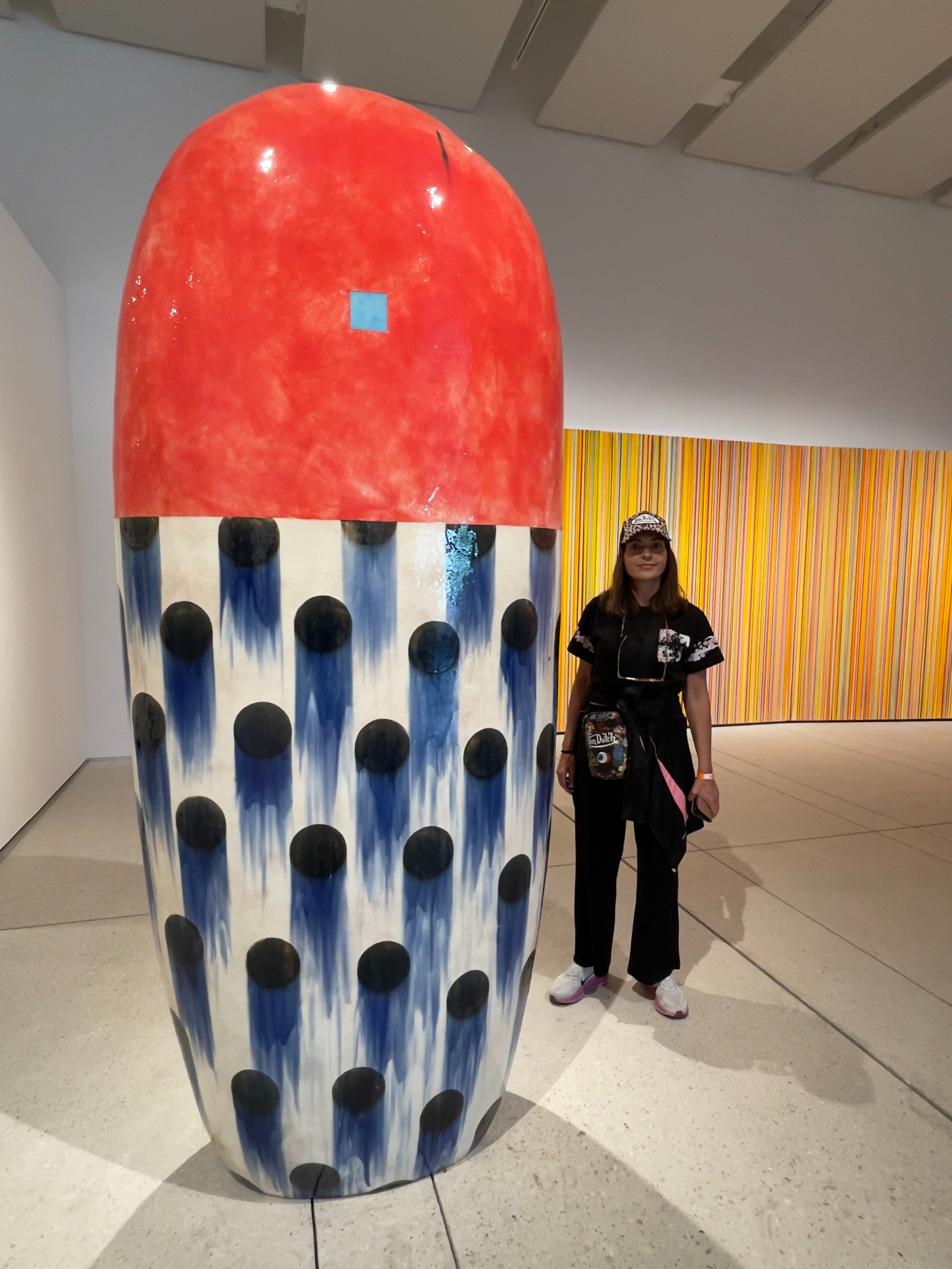
Upstairs the century changes, and so does the temperature. In one white gallery a giant glazed ceramic form, taller than me, wears a glossy red cap above a body of blue-black drips on cream. It looks like a lighthouse, a chess piece and a sweet all at once, and the glaze is so thick you can almost feel the heat of the kiln.
 Автор фото© ULTIMATE International Media
Nearby, a row of glossy ceramic heads keep watch from their steel stands, one wrapped in hypnotic black-and-pink spirals, another wearing a black mask that drips down its white cheek like ink. They look like ancient helmets dreamed up by a designer from the future.
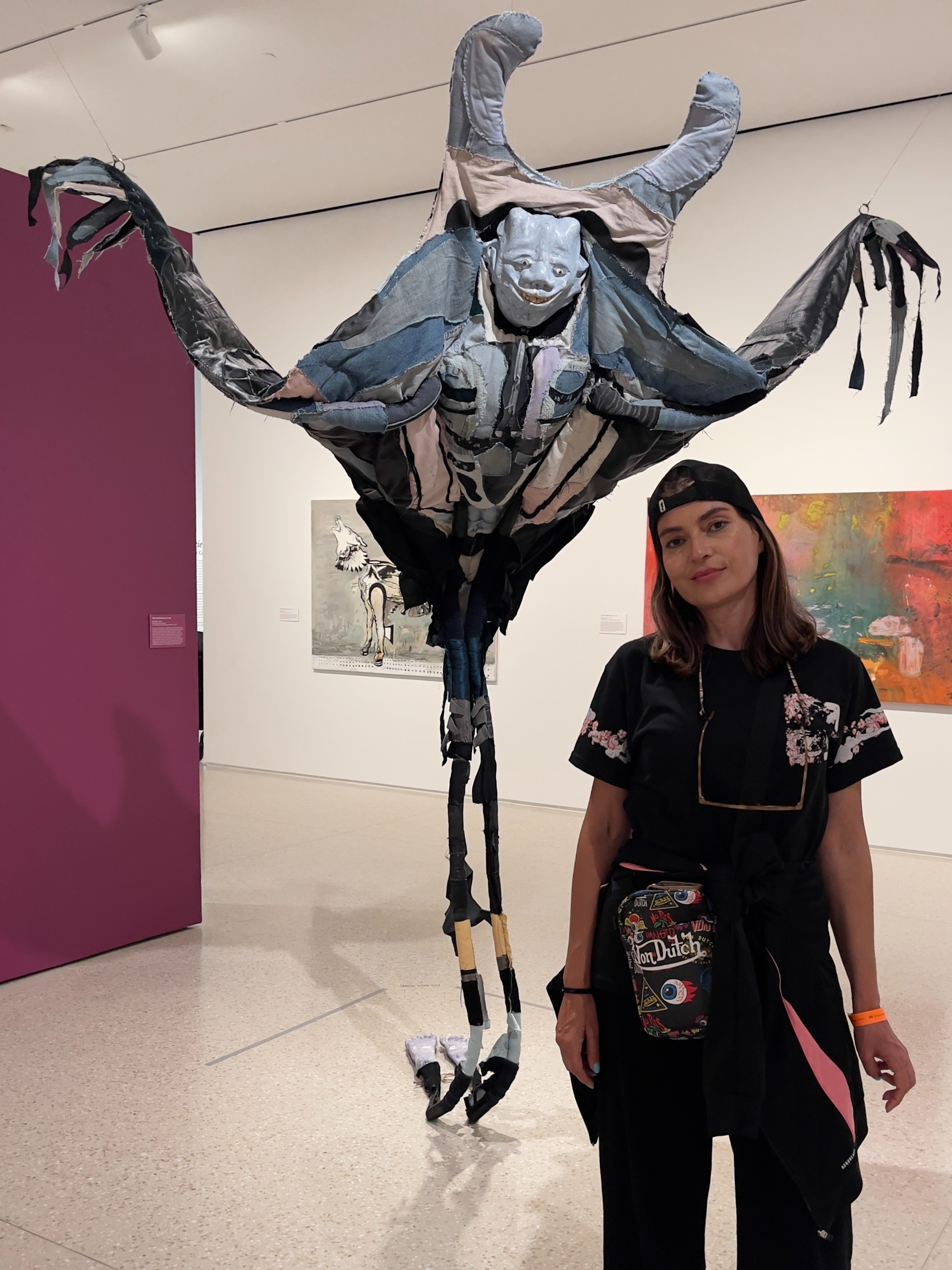
In another room a figure stitched from denim and dark fabric hangs from the ceiling, arms spread, legs dangling, somewhere between a fallen angel and a scarecrow caught in a storm. Fabric is a painter’s envy: it has weight, folds and shadows built in, and this one throws its shadow across the whole room.
 Автор фото© ULTIMATE International Media
 Автор фото© ULTIMATE International Media
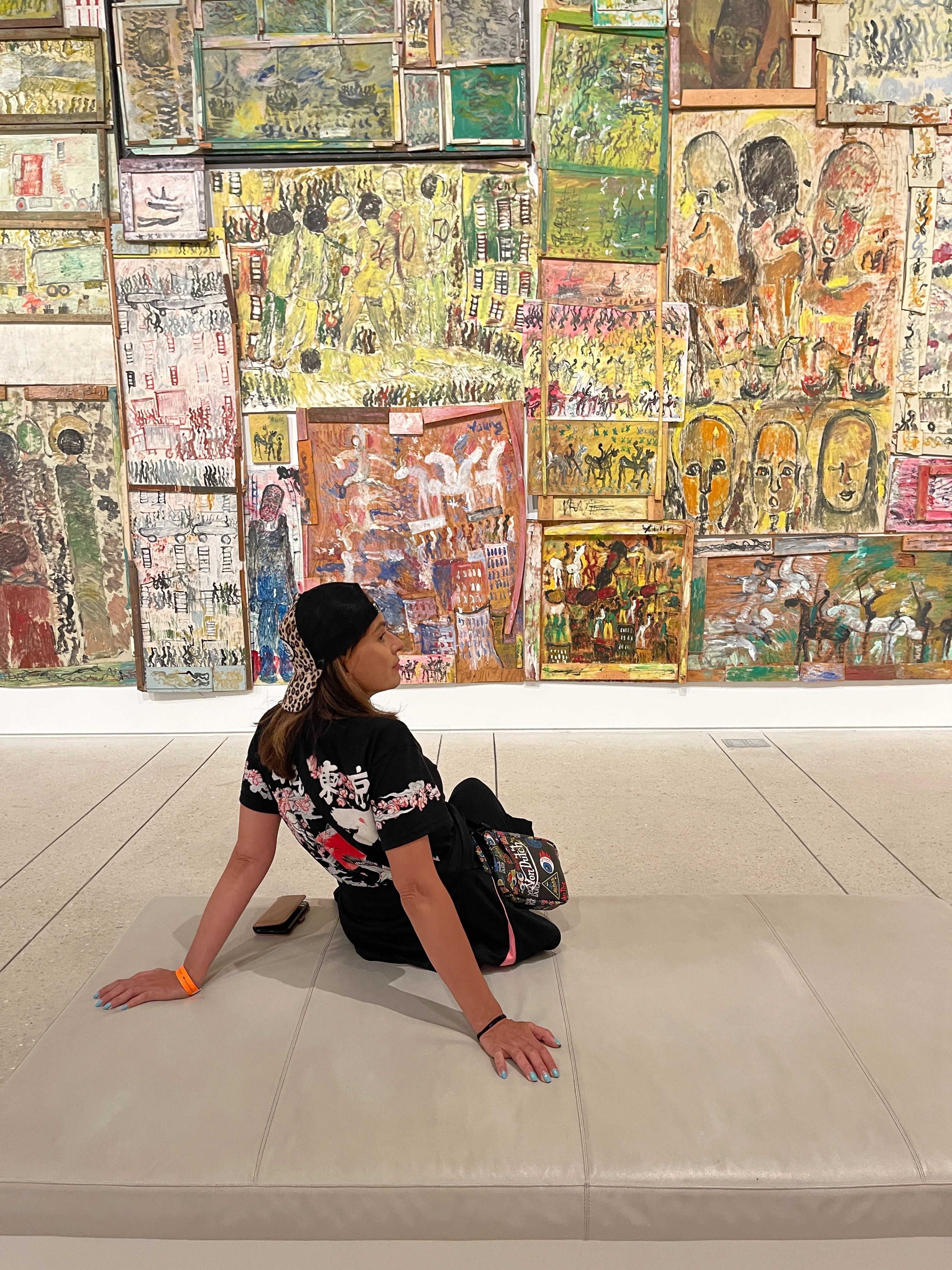
Then a whole wall crowded with painted boards, dozens of them, hung edge to edge in yellows, greens and rusty reds, faces and figures jostling like a street market. I sat on the floor in front of it for a long time. It has the energy of the walls I love outside, brought indoors and given room to breathe.
Remarkable women
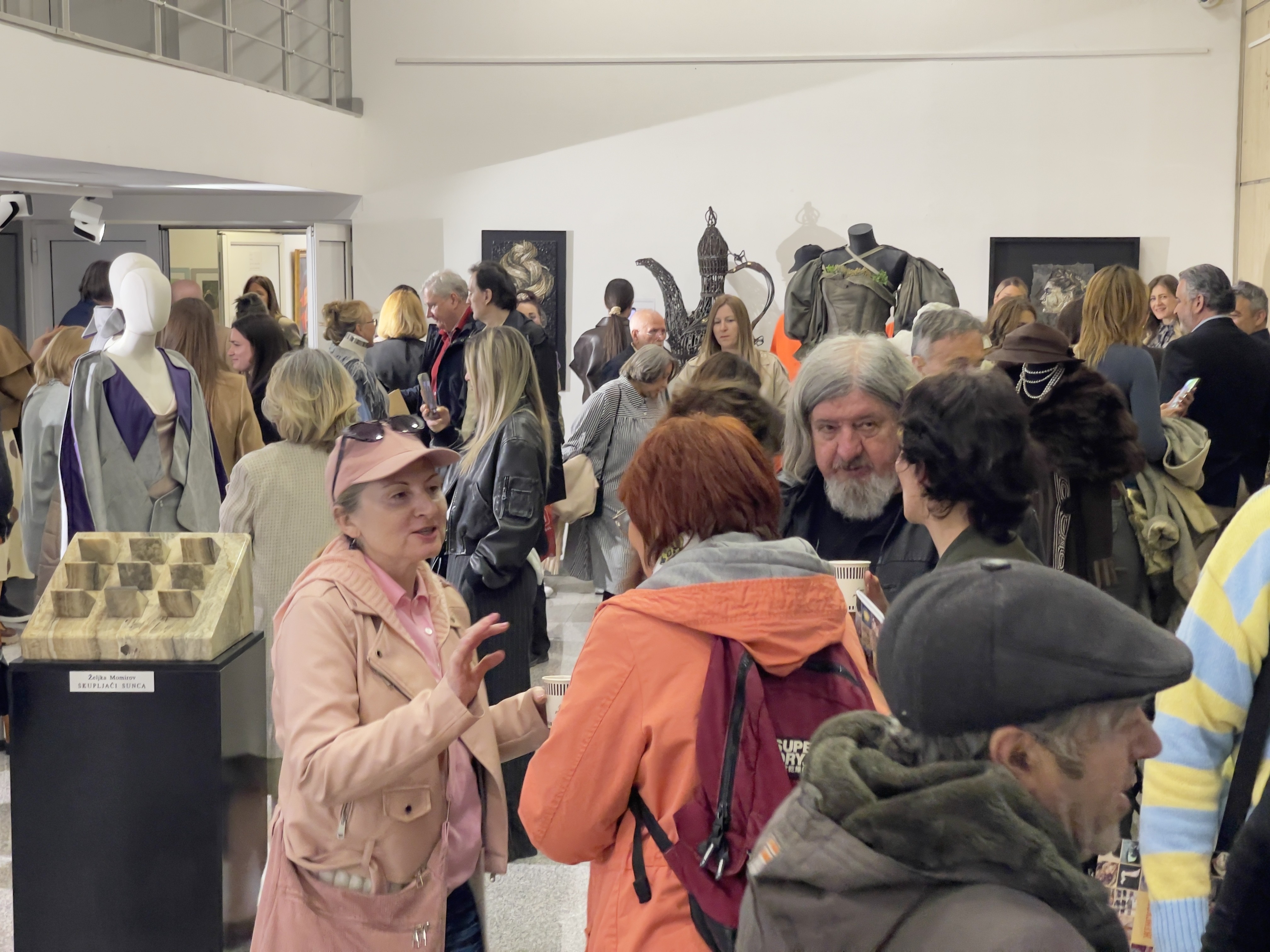
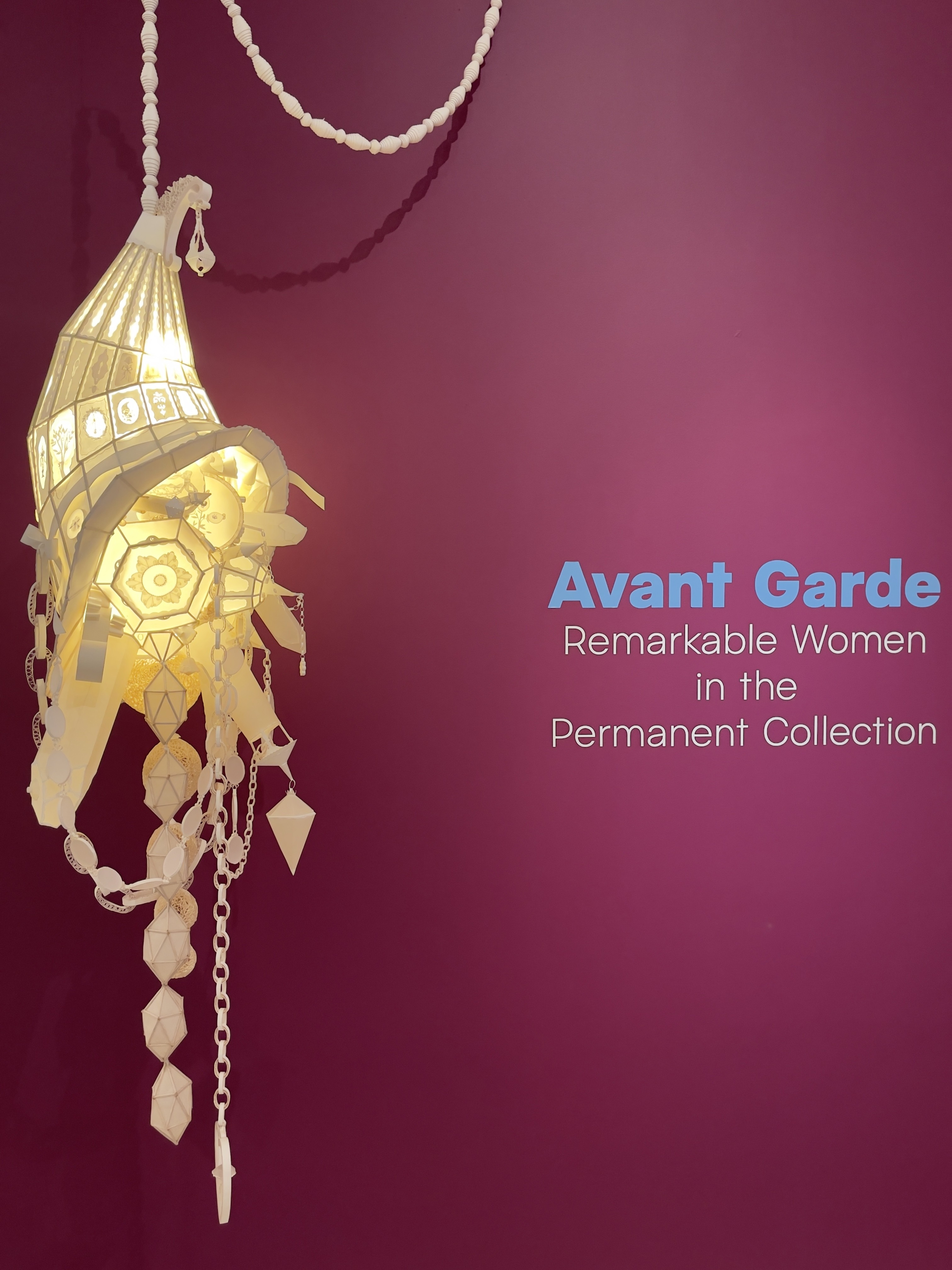
One gallery stopped me in my tracks. Its wall is painted a deep wine red, and in white letters it announces “Avant Garde: Remarkable Women in the Permanent Collection”. Beside the title hangs a lantern of cut white paper, glowing from within, trailing chains of paper crystals like a jellyfish made of lace. The show runs until 4 April 2027, and it gathers works by women from the museum’s own collection, from Alma Thomas, Niki de Saint Phalle and Marisol to artists with roots in Tampa Bay, in sections on home, the self, mythologies, abstraction and gesture, and Florida itself.
 Автор фото© ULTIMATE International Media
It felt like a letter from a sister. In May 2026 I hung my own paintings in Belgrade in “Ženskom rukom”, “By a Woman’s Hand”, alongside forty other women artists from across Serbia. Here, on the other side of the Atlantic, the same question was hanging in the air: is there such a thing as a woman’s hand? Walking these rooms, I decided there are many, and every one of them is remarkable.
 Автор фото© ULTIMATE International Media
 Автор фото© ULTIMATE International Media
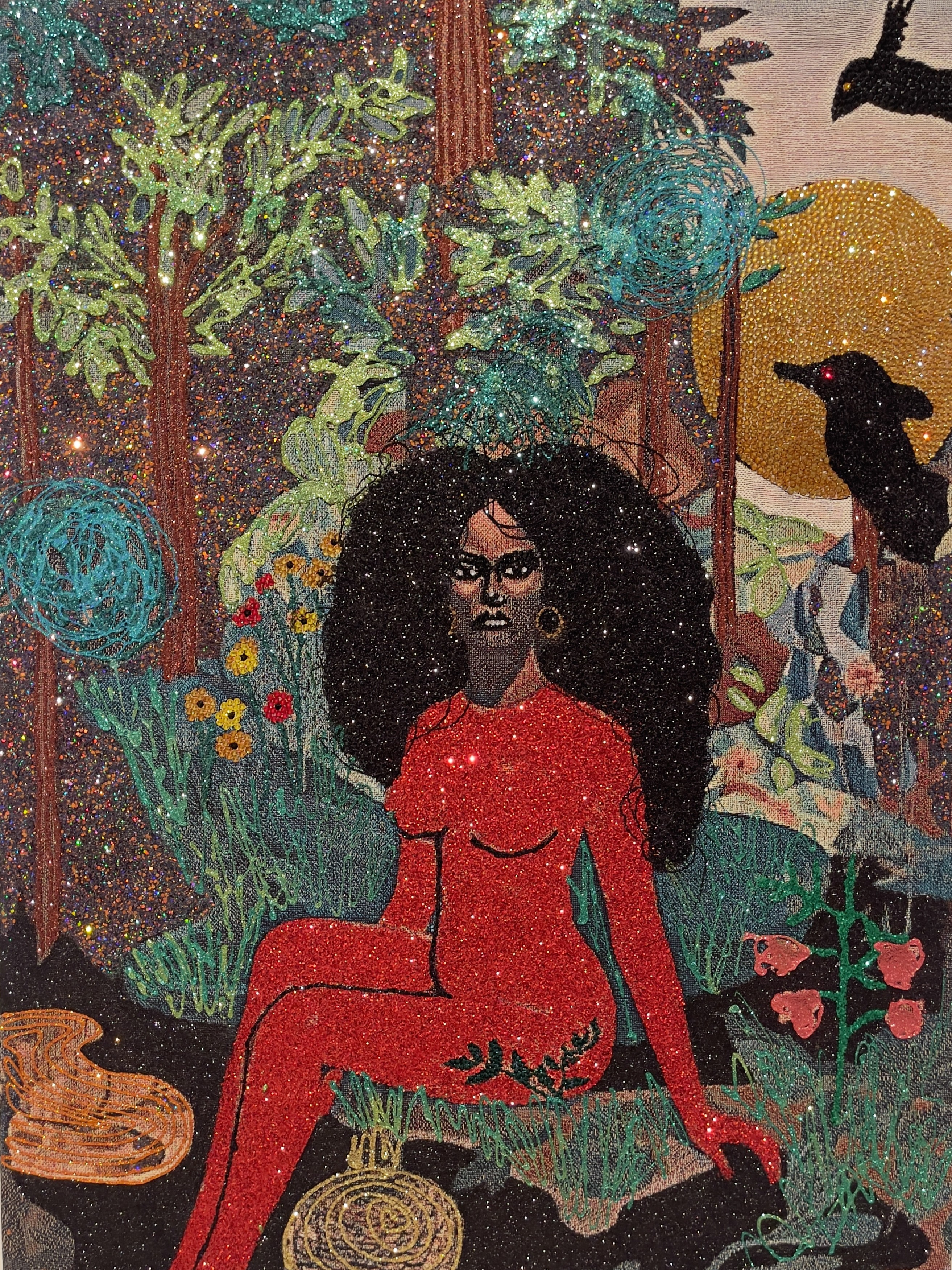
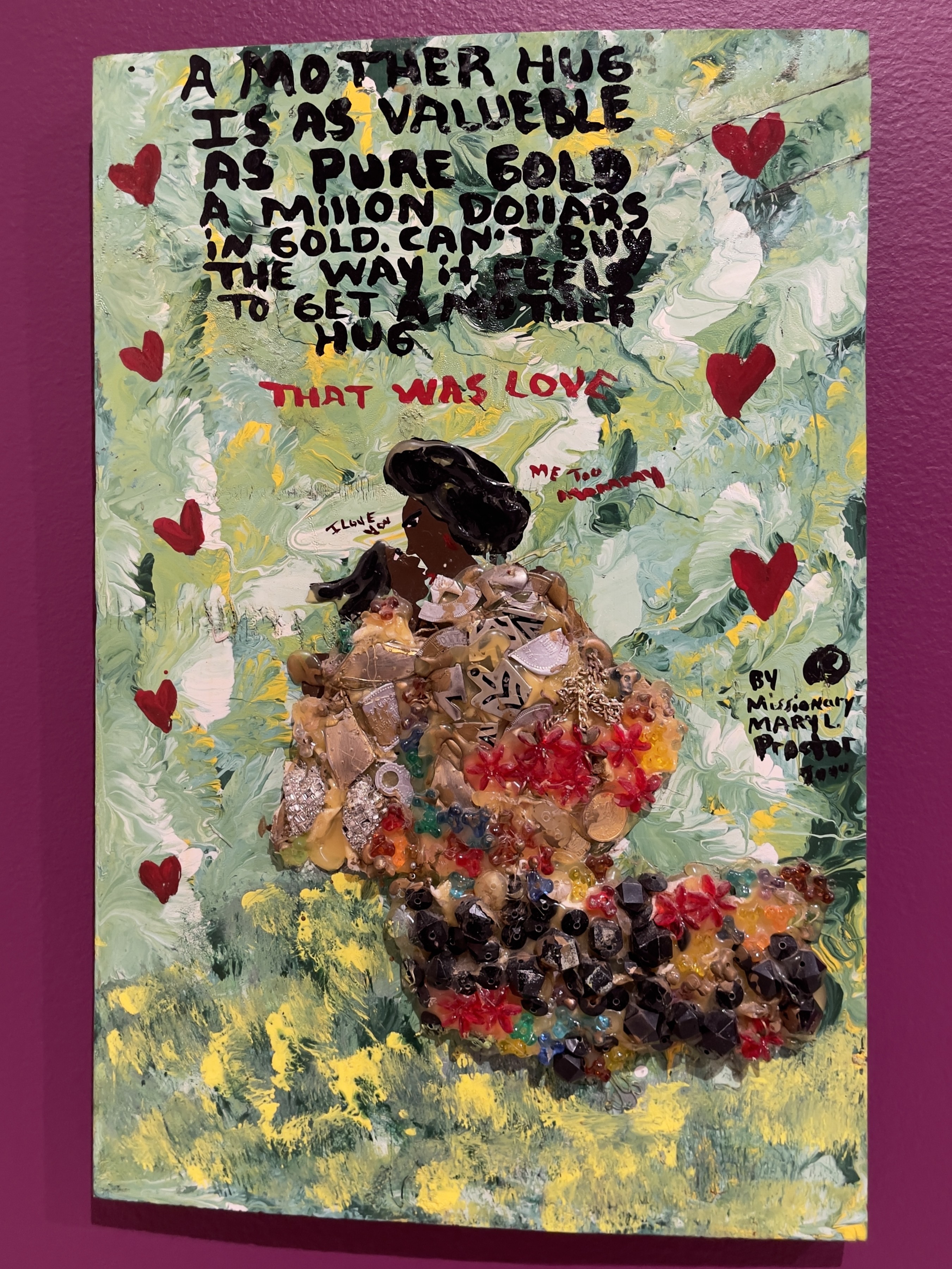
Colour is everywhere. A woman in a glittering red dress sits in a jungle of flowers and crows, every inch of her sparkling like a sequinned gown. Next to her a painting simply talks to you, in big hand-lettered words: “A mother hug is as valuable as pure gold.” Signed by Missionary Mary L. Proctor, it is half painting, half letter home, and impossible to walk past without smiling.
One painted wall even has a mirror set into it, ringed by drawn faces in black and yellow. Of course I put my own face in the frame. That is the oldest trick in the museum: the best works make you part of the picture.
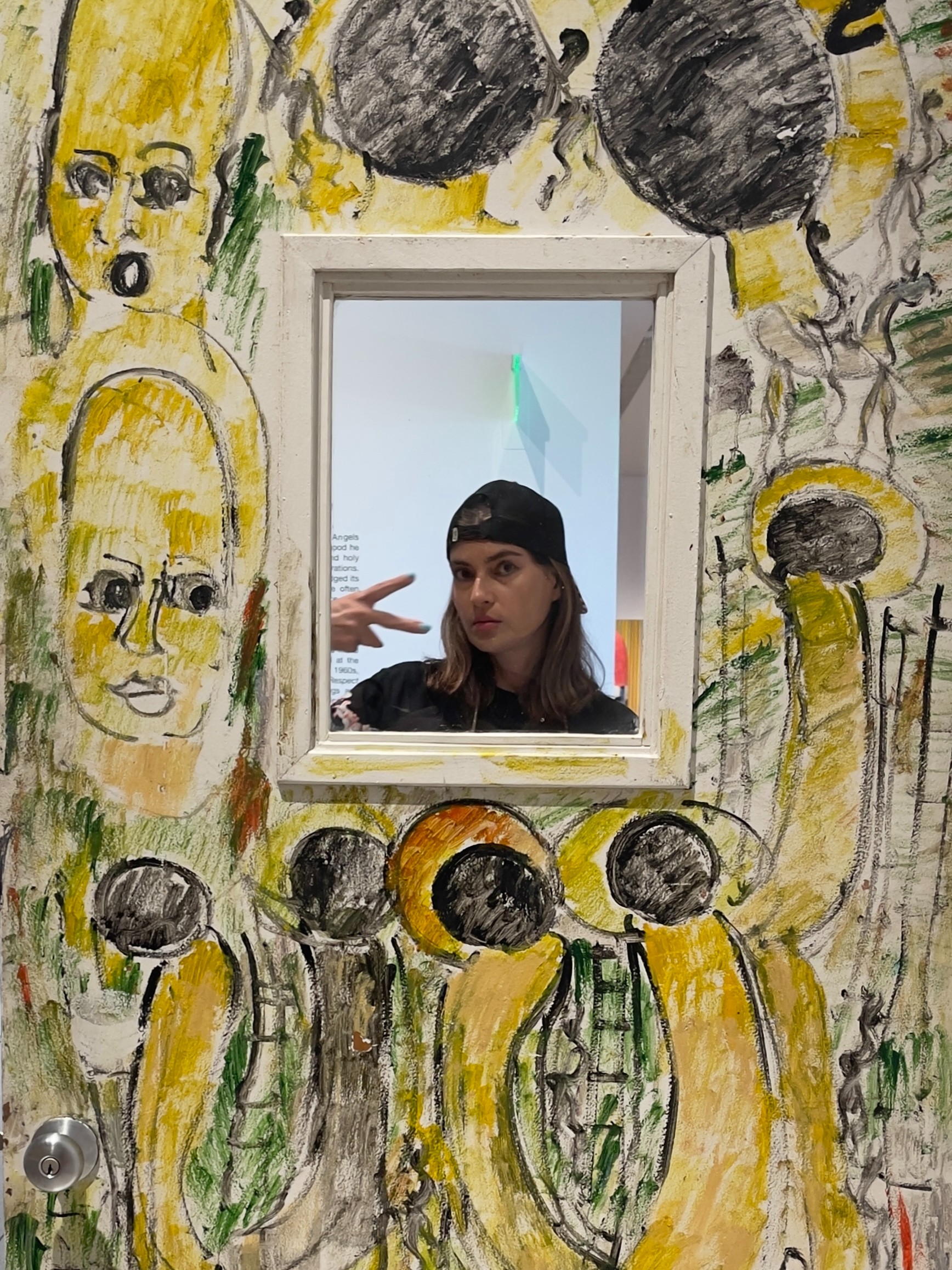 Автор фото© ULTIMATE International Media
And there is a wall of tiles, each one painted with a great X, in sea blues, reds and flecks of gold. I trained in mosaic and stained glass, and I felt at home at once: every tile is its own small world, and together they shimmer like a window with the sun behind it.
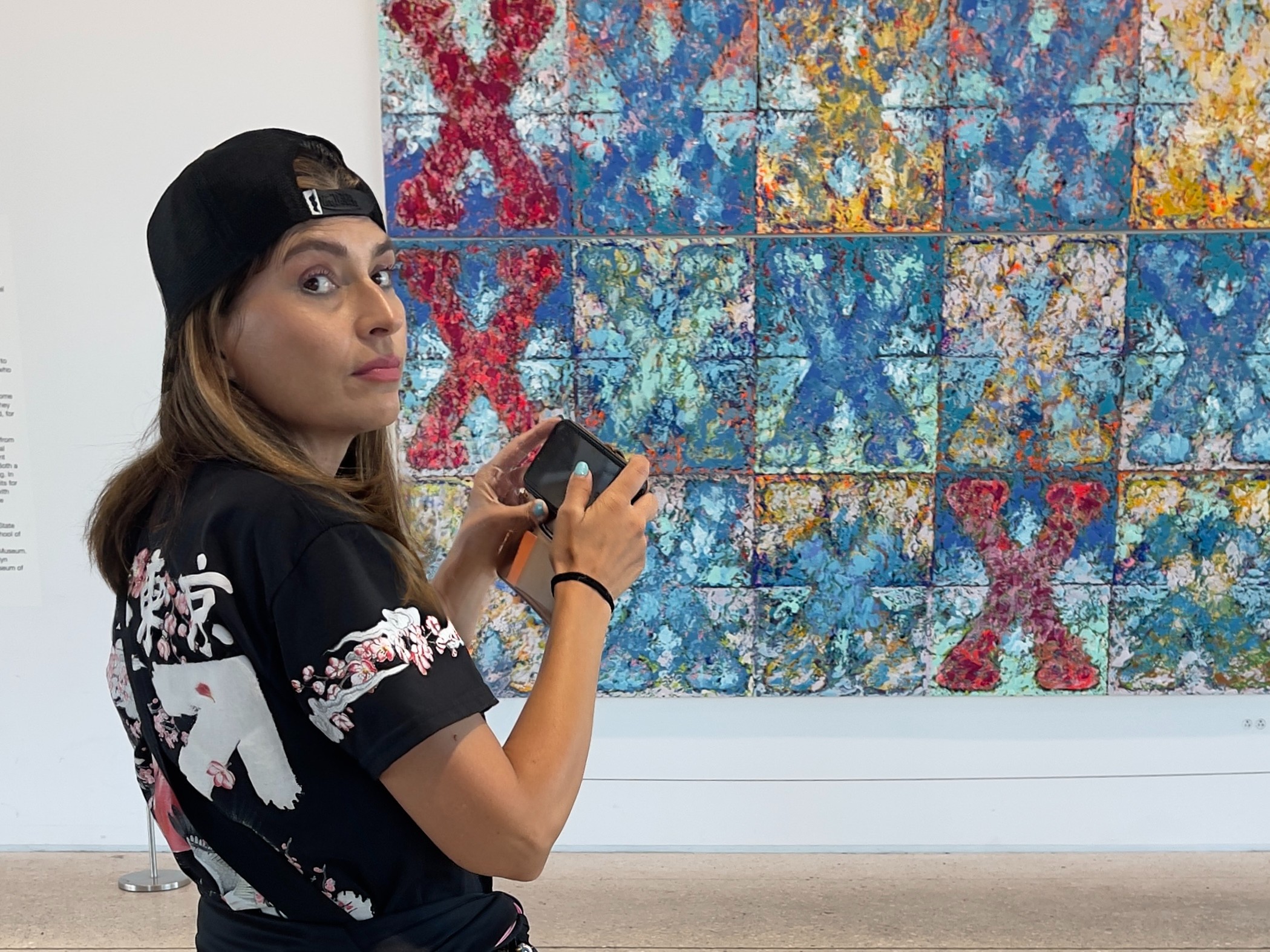 Автор фото© ULTIMATE International Media
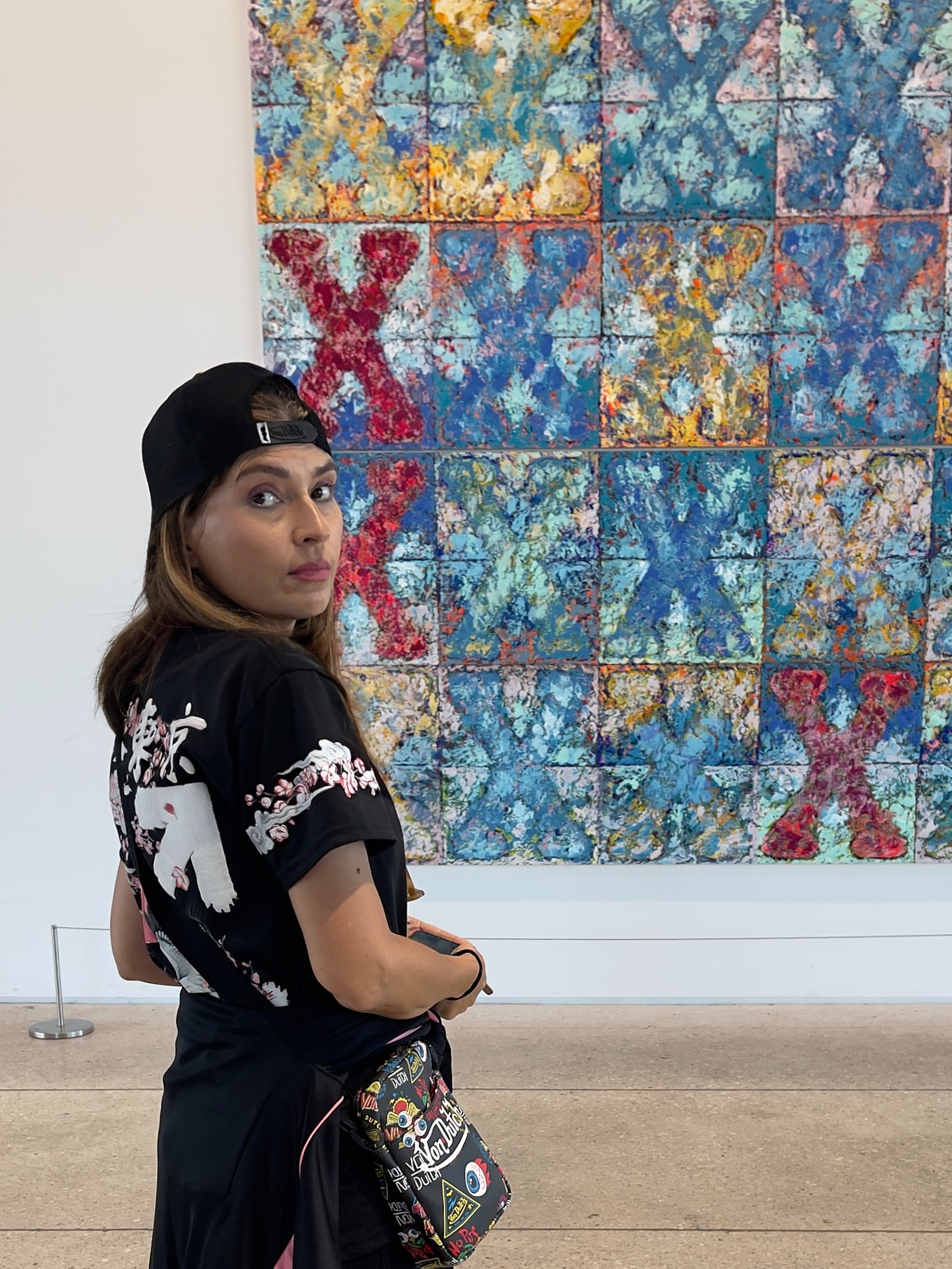 Автор фото© ULTIMATE International Media
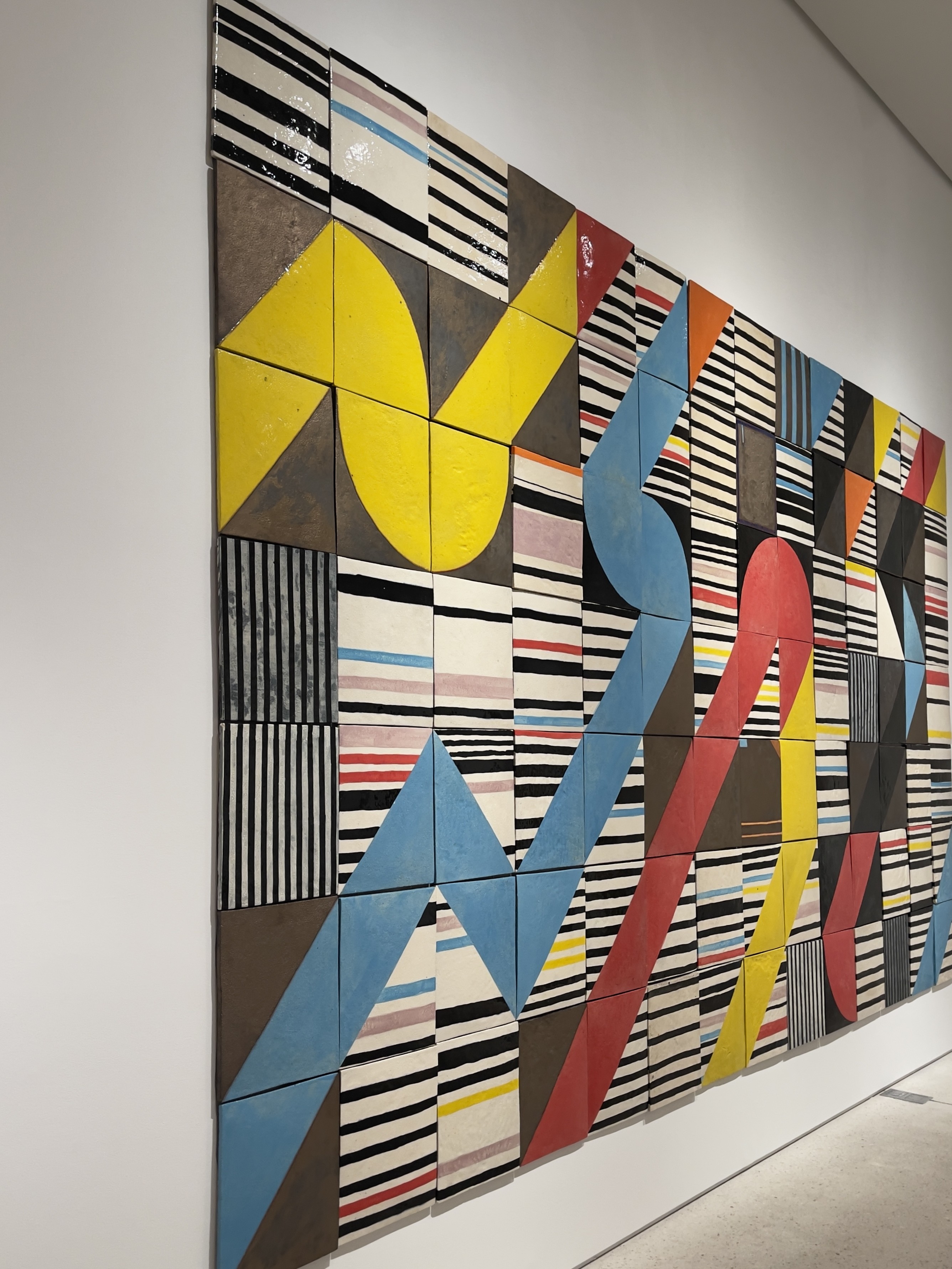 Автор фото© ULTIMATE International Media
Across the room, another wall of tiles answers in stripes and zigzags, black and white broken by sudden blues, yellows and reds, like a jazz score you can see.
There is more than I could see in one day. As I write, the museum is showing David Hockney, “Perspective Should Be Reversed”, until 28 February 2027, “The Etruscans: A Mysterious Italian People” until 23 May 2027 and “Mysteries of the Nile: Ancient Egypt”, while Jaume Plensa’s “Laura with Bun” is on view from the collection.
And then the street
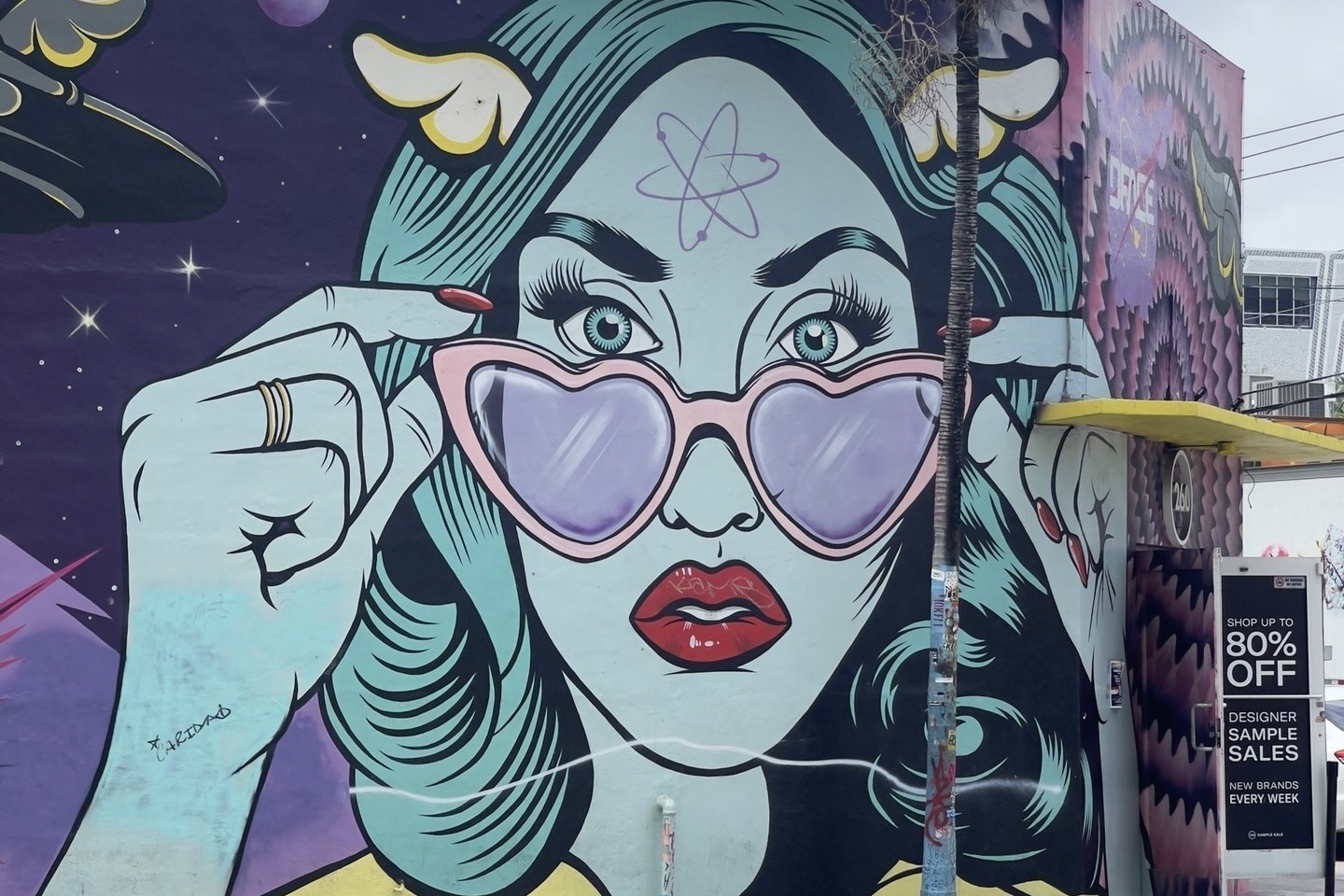
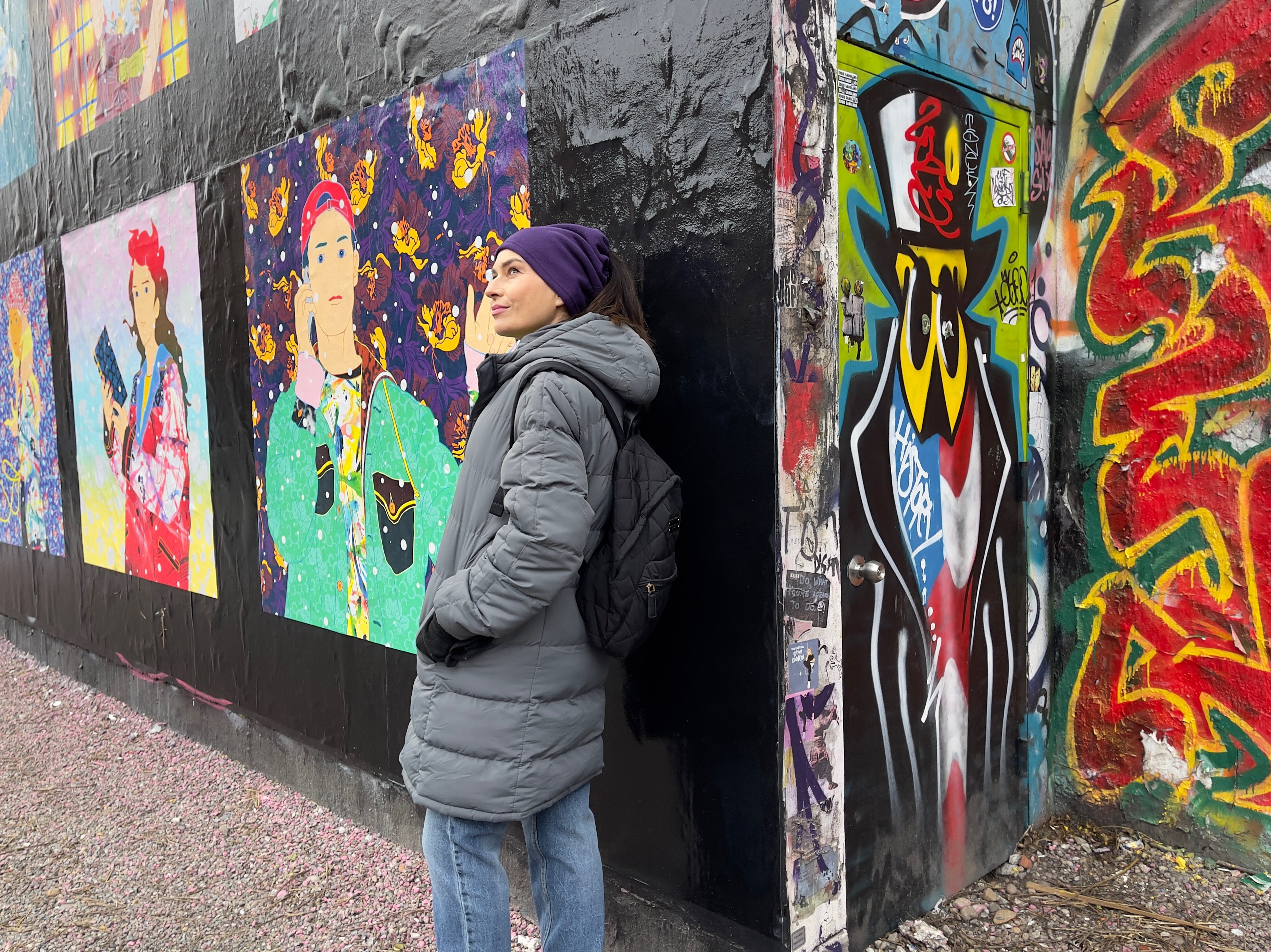
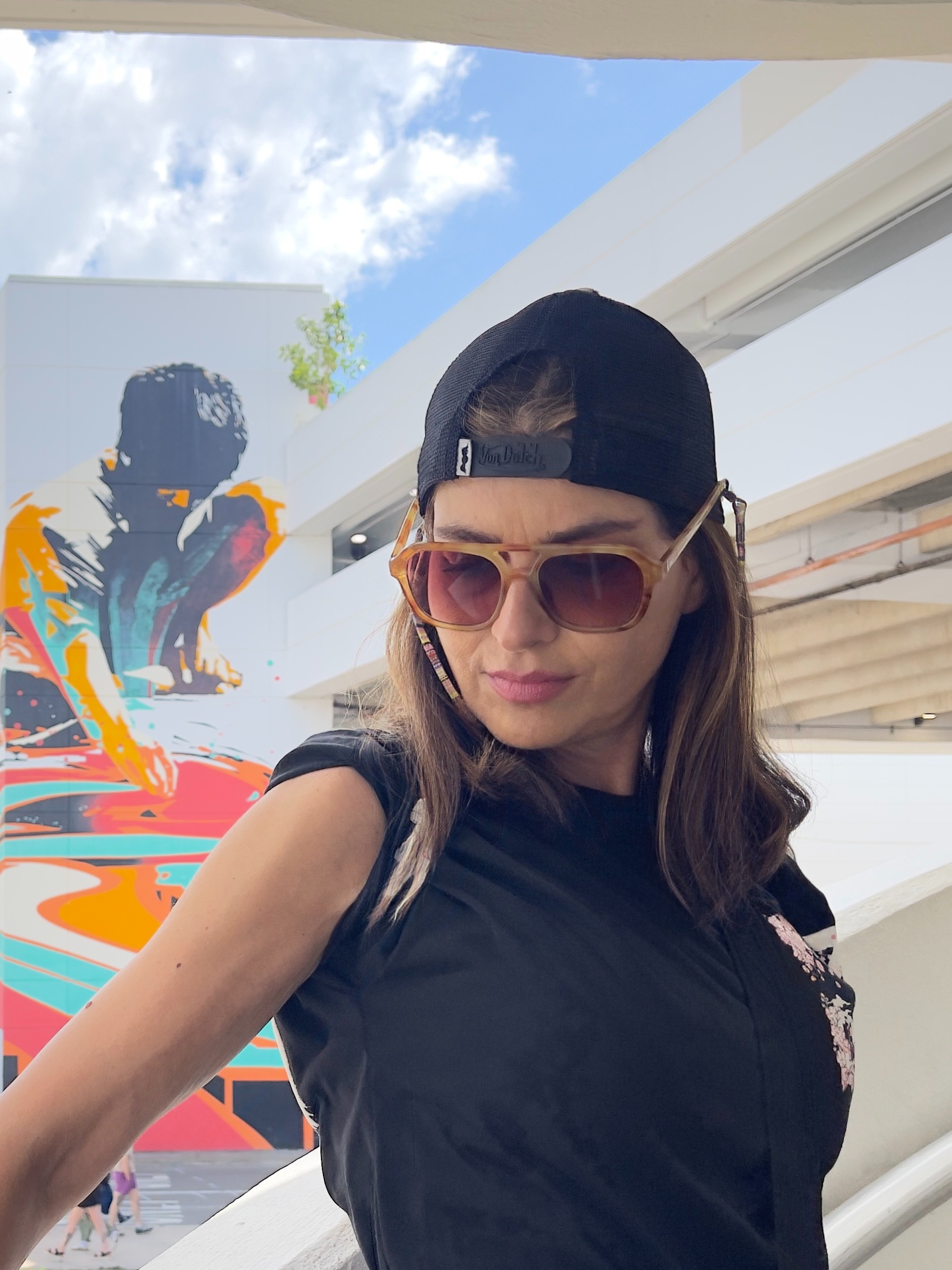
A museum and a mural are not rivals; they are two rooms in the same house. Walk out of the galleries and Tampa keeps talking in paint. The city’s own mural programme maps its walls neighbourhood by neighbourhood, from Ybor and Downtown to East Tampa and West Tampa, and across the bay St Petersburg holds its SHINE Mural Festival every autumn.
 Автор фото© ULTIMATE International Media
 Автор фото© ULTIMATE International Media
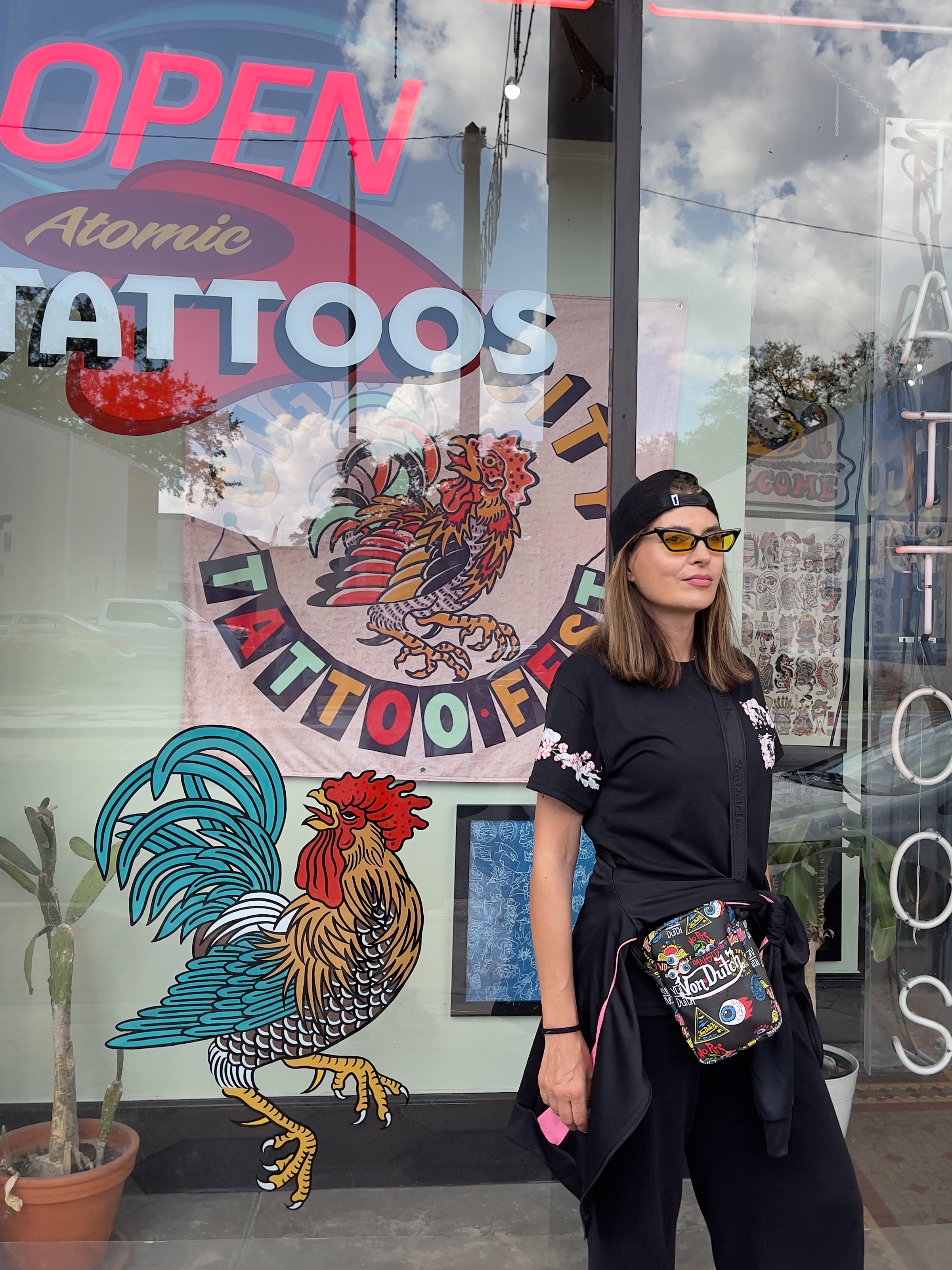
Even the shop windows join in. I found one painted with a rooster so proud of himself he could have been the museum’s doorman. Between the Greek vases and that rooster lies about two thousand five hundred years of people making pictures for passers-by, and I enjoyed every step of it.
My advice: arrive along the Riverwalk, or by boat if you can; the museum has two Riverwalk boat slips. It is open daily from 10am to 5pm and until 8pm on Thursdays, when “Art on the House” makes admission pay-as-you-will from 4pm. Start with the Greek vases, climb to the contemporary rooms, then stay until dusk to watch the walls light up.
Further reading
Jelena Bibić’s work: jelenabibic.com ↗